

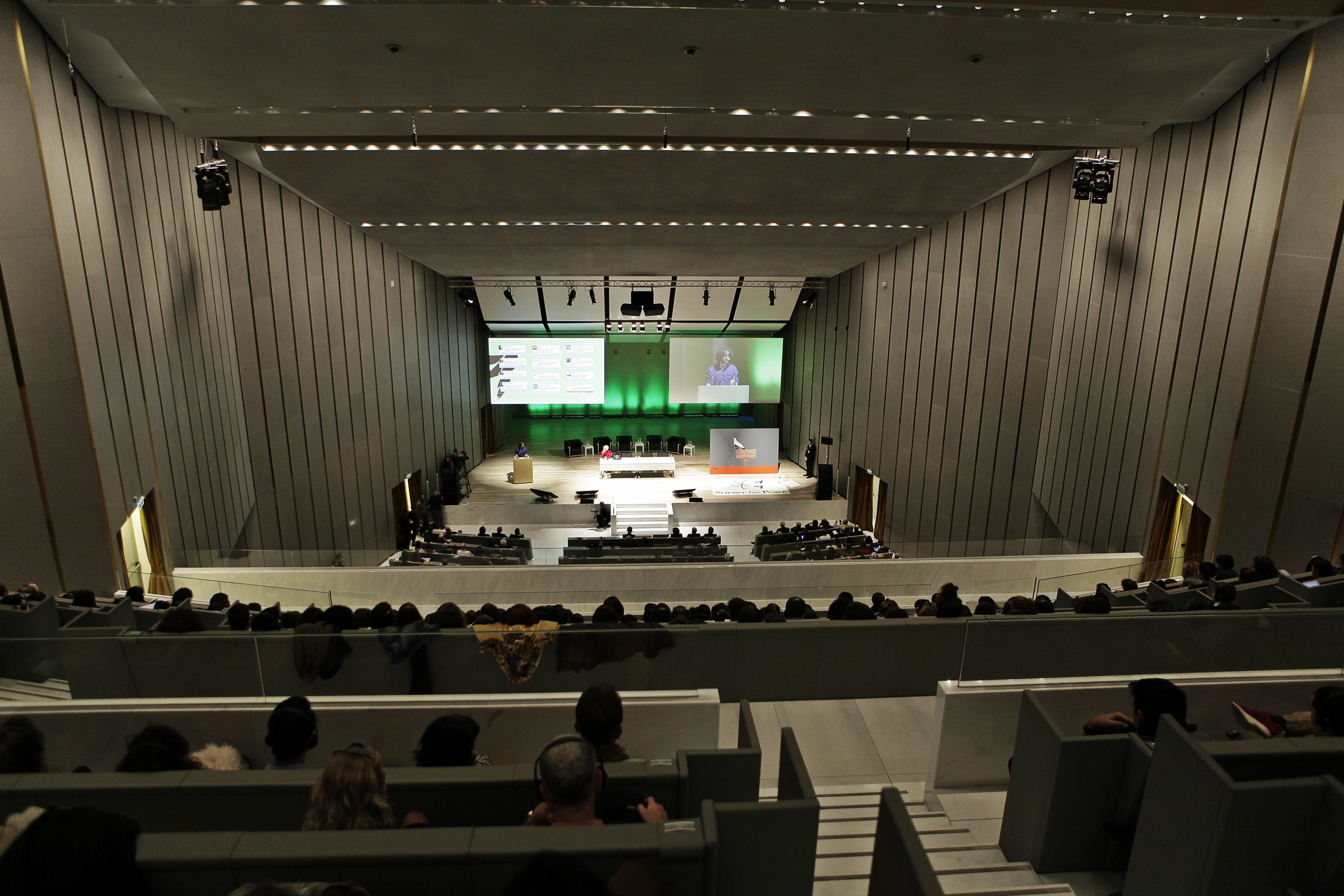
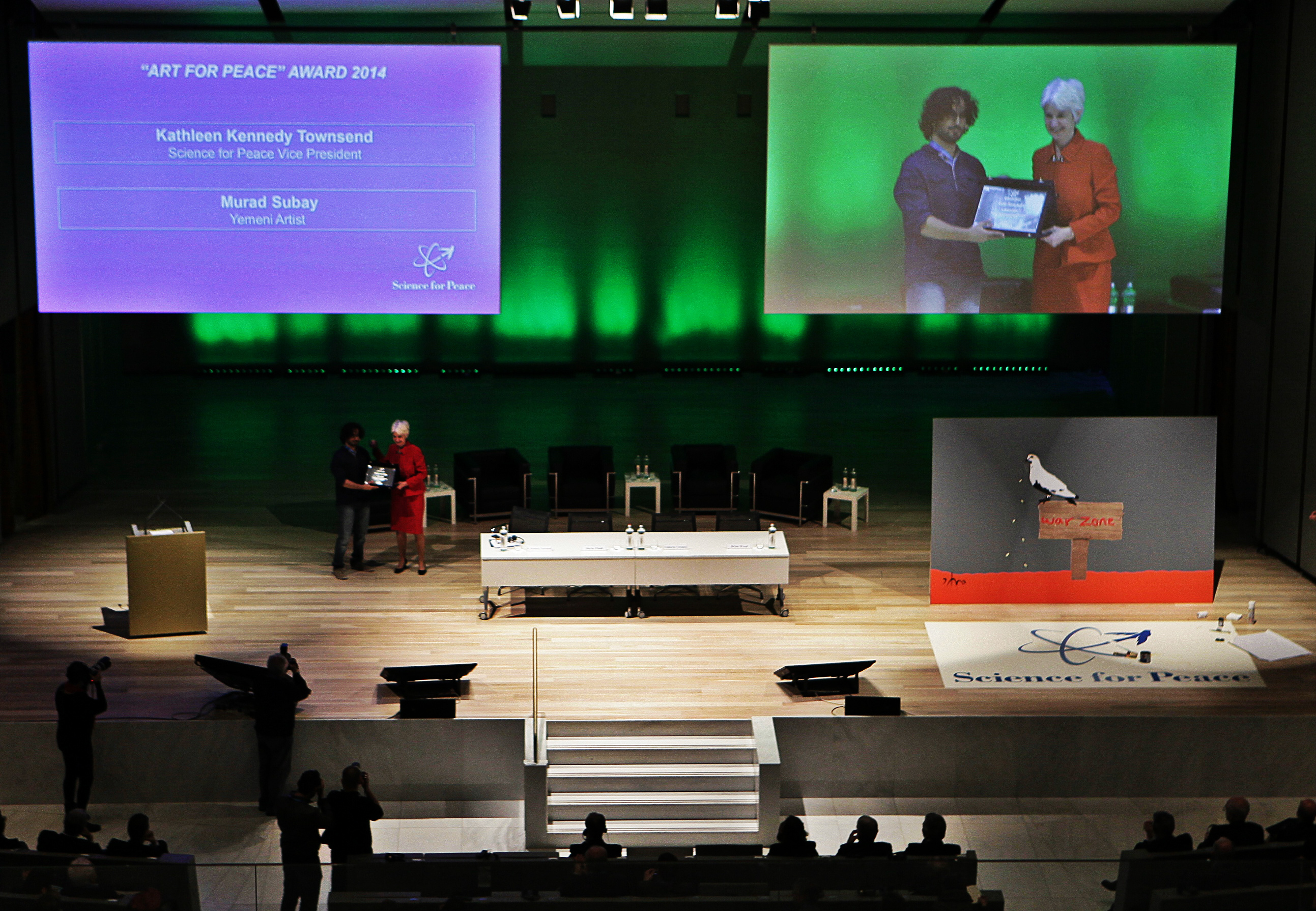
صور من حفل تسلمي جائزة “الفن من أجل السلام 2014” في مدينة ميلانو، إيطاليا. During my speech in the receiving the award of Art for Peace 2014, Milan, Italy.


لقائي مع قناة “TMNews” الإيطالية، أثناء حملة “لون جدار شارعك” قبل حوالي ثلاثة أعوام.
On “TMNews” Italian Chanal, during “Color your street’s wall”campaign, three years ago.
________
Roma, (TMNews) – L’arte diventa lo strumento ideale per voltare pagina dopo la rivoluzione nello Yemen. Mourad Subai, che prima aveva riempito i muri della capitale Sanaa con scritte e slogan politici, ha ora deciso di sostituirli con murales e opere d’arte. I suoi graffiti, infatti, ora decorano i muri della città. Un modo, secondo il giovane artista 24enne, di far cambiare idea al popolo, che si lascia alle spalle un anno di profonda crisi politica. “Il popolo yemenita è stato profondamente coinvolto nella politica degli ultimi mesi. L’unico tema di discussione era la politica. Allora ho pensato che l’arte poteva essere il solo modo di allontanare gli eventi politici e di far pensare ad altre cose”.I murales di Mourad decorano anche quartieri come questo, dove sostenitori e oppositori dell’ex presidente Saleh si sono spesso scontrati.Nello Yemen non c’è alcuna legge che impedisce l’arte di strada. E Maourad ha tutta l’intenzione di continuare nella sua opera.

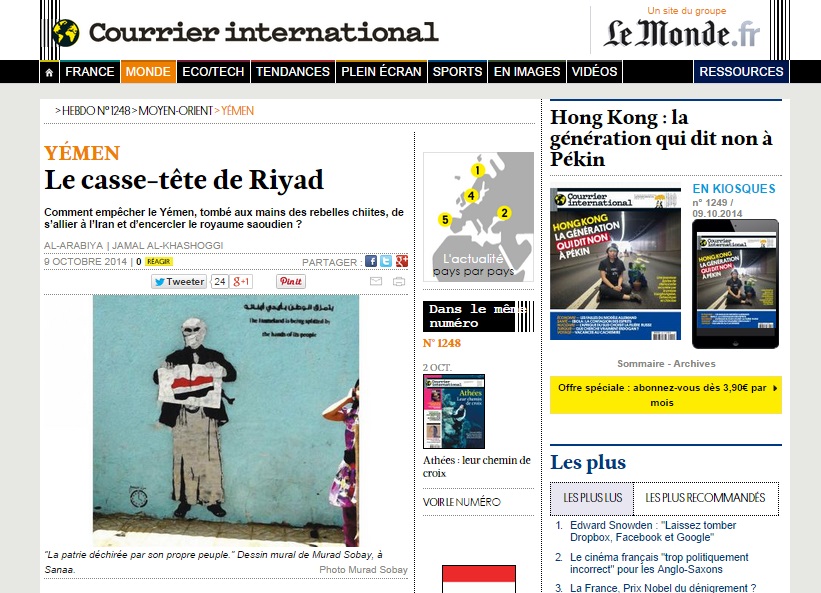
“الوطن يتمزق بأيدي أبنائه”
“La patrie déchirée par son propre peuple.”
صوره لجدارية “العبث بوطن” على الموقع الفرنسي “الليموند، كورير إنترناشيونال”
Photo of “Tempering with our Homeland” on “Le Monde, Courrier international”

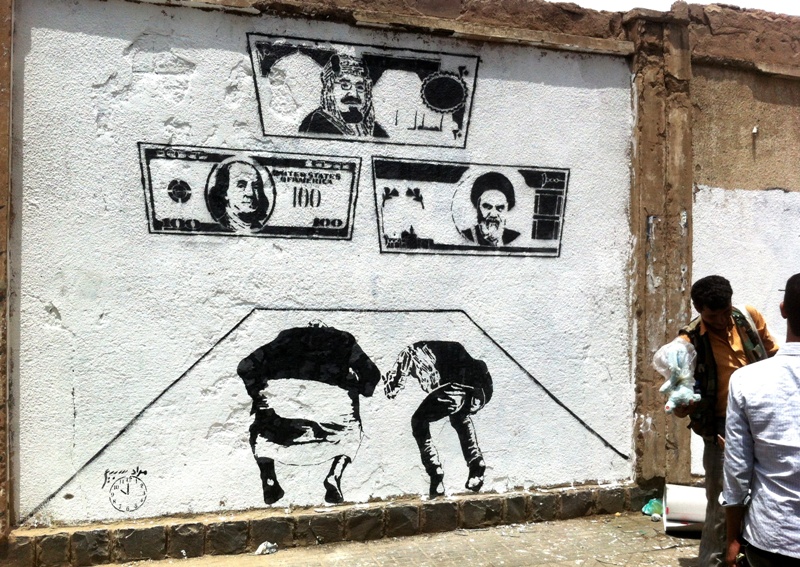
Una serie di murales per raccontare le questioni cruciali che affiggono il paese: l’idea è del giovane Murad Subay, artista e attivista che in questi ultimi anni il pubblico ha imparato a conoscere come il “Banksy yemenita”, grazie alle sue campagne politiche e sociali a suon di spray e colori per le piazze e strade della capitale.
L’ultima, le cui immagini hanno fatto il giro del mondo, si chiama “12 hours” (Dodici ore) e mira a evidenziare i “mali” dello Yemen, incentrando ogni ora dell’orologio su un tema diverso: dal settarismo al rapimento degli stranieri, dall’incarcerazione degli oppositori politici agli attacchi dei droni statunitensi nel paese.
“Dopo la rivoluzione – scrive Subay – mi sono reso conto che l’anima del popolo yemenita era frantumata a causa della guerra e della situazione all’interno del paese. Ho visto che gli edifici e le strade erano danneggiati e pieni di proiettili. Così sono andato su Facebook e ho detto che il giorno dopo sarei andato in piazza a dipingere. E così ho fatto”.
Alla chiamata su Facebook è seguita una massiccia risposta da parte dei cittadini, che si sono recati fuori con Subay e l’hanno aiutato a dipingere le pareti con potenti messaggi su governo, politica e ingiustizie sociali.
Lo scopo dell’artista, pienamente riuscito, è infatti coltivare la consapevolezza dei problemi in modo pacifico e partecipativo. E quale mezzo più immediato per arrivare al cuore della gente, se non i colori, l’arte e la strada?
Così, grazie a questa campagna durata un intero anno, dalle pareti hanno preso vita le tante ferite della storia yemenita degli ultimi 30 anni, visibili da tutti, e perciò diventate un atto di resistenza e di protesta. Non a caso, è capitato che diverse opere di Subay fossero state rimosse, rovinate o coperte.
La prima ora della campagna, ad esempio, è dedicata al problema della violenza armata in Yemen, un paese che, secondo i dati 2012 di Aljazeera, ha il secondo più alto tasso di possesso di armi nel mondo.
La seconda ora affronta invece il tema del settarismo, lo scontro tra sciiti e sunniti che da tempo provoca tensioni tra le due sette religiose. La popolazione dello Yemen, infatti, è divisa tra circa il 45% musulmani sciiti e il 55% di musulmani sunniti, il cui divario ha portato negli ultimi tempi a manifestazioni di odio, fanatismo, e rivolte.
La terza ora racconta delle sparizioni forzate, di arresti e carcerazioni di cui il governo continua a negare il suo coinvolgimento. In realtà si tratta di veri e propri rapimenti di stato, un tema che l’artista aveva precedentemente affrontato nella campagna creativa “The walls remember their faces” (I muri ricordano i loro volti) in cui i volti delle persone disperse apparivano sulle strade accanto al luogo e la data della loro scomparsa, scritti in arabo e in inglese.
Anche quella volta il successo di partecipazione da parte del pubblico era stato enorme.
Toccanti ed evocativi i graffiti dedicati al problema dei droni statunitensi nei cieli yemeniti, con le loro vittime civili “collaterali”, fonte di traumi e terrore per la popolazione.
Secondo una ricerca dello psicologo forense inglese Peter Schaapveld, ben il 92 per cento del campione di popolazione da lui esaminata è risultato essere affetto da disturbo da stress post-traumatico, che colpisce soprattutto donne e bambini. Si parla infatti di “un’intera generazione traumatizzata”.
Ma i “mali” dello Yemen non sono finiti: ed ecco che troviamo murales sul terrorismo, sulla povertà, sulla guerra civile, sul reclutamento dei bambini nei conflitti.
Ricchi di elementi simbolici sono poi quelli dedicati ai torbidi rapporti tra l’Arabia Saudita, l’Iran e gli Stati Uniti, che attraverso il pompaggio di denaro – e non solo – esercitano una forte influenza su tutte le decisioni politiche yemenite (e infatti si chiama la loro “ora” si chiama “Treason”, tradimento).
Infine si parla di corruzione, di stigmatizzazione ed emarginazione, per chiudere con un auspicio positivo, ovvero la “condivisione” della pace, con una strizzata d’occhio al web e ai social network.
Tanto grande è stato l’impatto di questi muri in tutto il mondo, che Murad Subay, nato nel 1987 nella provincia di Thamar, ha ricevuto diversi riconoscimenti, tra cui il premio internazionale “Arte per la pace” della Fondazione Veronesi.
L’artista ci racconta via mail di essere proprio in questi giorni alle prese con le pratiche per il passaporto, pronto per venire in Italia alla premiazione ufficiale che si terrà questo novembre.
Per visitare la gallery sul nostro sito clicca qui.
Si ringrazia Murad Subay per la gentile concessione delle foto.


Un premio per chi promuove una cultura di pace.
Ogni anno Science for Peace assegna l’Art for Peace Award, un riconoscimento importante riservato agli artisti che si sono distinti nella diffusione di un messaggio di pace.
Quest’anno l’Art for Peace Award verrà assegnato a Murad Subay, giovane artista yemenita che ha dato vita quasi interamente da solo allo sviluppo dell’arte dei graffiti nello Yemen a partire dal 2012, all’indomani della Primavera Araba nel suo paese.
Il premio verrà consegnato a Murad durante la 6° edizione della Conferenza Mondiale, venerdì 14 Novembre 2014.
 “A livello personale, i graffiti sono stati e rappresentano tuttora una fase fondamentale della mia vita, durante la quale ho scoperto me stesso. La street art non è soltanto la mia voce, ma di recente è diventata anche quella di molti yemeniti, poiché affronta i problemi principali che colpiscono gli abitanti del paese. Tutti gli yemeniti desiderano la pace e una vita dignitosa. Ho visto tantissime persone dipingere i loro sogni su muri nella speranza che un giorno diventino realtà. Questo premio ha un enorme significato per me e per le persone che hanno preso parte al progetto e rappresentano l’anima delle mie campagne artistiche, poiché è un riconoscimento del nostro umile lavoro e impegno. Inoltre, il premio è un segnale forte di incoraggiamento per il mio team di artisti e per me stesso. In sostanza, è un riconoscimento che premia tutti gli yemeniti.”Murad Subay
 2013alla cantante Fatoumata Diawara, in arte Fatou
 2012allo scrittore e saggista israeliano David Grosmann
 2011al fotoreporter Joao Silva
 2010al regista Xavier Beauvois
 2009al Maestro Daniel Barenboim


Rachel Moore, assistant director of the Helen Day Art Center, with part of the new exhibit she curated: “Unrest: Art, Activism & Revolution.”
Posted: Thursday, September 25, 2014 7:00 am | Updated: 5:07 pm, Fri Sep 26, 2014.
During the daytime, the 10-foot-long, cool blue sign hanging on the Helen Day Art Center blends in under cloudless skies, but as night falls, the words are a piercing electric blue message in Arabic: “We are with you in the night.”
The sentiment is borrowed from graffiti found in Italian cities during the 1970s, showing solidarity with and support for political prisoners.
Whatever the language, whatever the era, though, the message resonates. And the neon sign is an apt way to draw people into the art center’s newest exhibit.
“Unrest: Art, Activism & Revolution” opened during the weekend at the Helen Day, and it’s a melange of artistic media that rewards deep exposure, and a lingering visit.
Rachel Moore, the art center’s assistant director, curated the exhibit; she says “Unrest” looks at the ways art can be used in the 21st century to spark changes in rough parts of the world.
“When you’re right in the middle of protests, to be able to create art is just amazing,” Moore said last week while showing off the exhibit.
She was inspired to put it together after watching the 2011 Arab Spring uprisings in Tunisia, Egypt, Libya, Syria, Yemen, and all through the Arab world. So it’s fitting that “We Are With You in the Night,” by French artist collective Claire Fontaine, has a prominent role in this collection of work by artists who at some point could have used the solace found in the neon sign. (Claire Fontaine is a group of artists who present their work under the name of a fictional artist.)
“They are all trying to pursue their own goals, but taken all together, you get an overarching theme,” Moore said.
So it is with Lara Baladi, an Egyptian-Lebanese artist who was on the ground in Cairo’s Tahrir Square during Egypt’s uprising. Baladi took note of the images and videos of the protests in the square that were being uploaded to the Internet, more and more as the political tension increased. She began to archive them, and expanded her archive to include similar events around the world, and broadcast them to the world in real time. The piece “Alone, Together … In Media Res” is the result of that collecting.
So it is with the people of Culiacan, in western Mexico, as they give up their guns to artist Pedro Reyes, who turns them into shovels. In return for the guns, Reyes gave them coupons for domestic appliances or electronics. He collected more than 1,500 weapons, almost half of them high-powered military-use guns. The piece “Palas por Pistolas” features five gleaming new shovels, hung minimalist-style on a white wall in the gallery, the documentary on repeat nearby.
Proving the power of graffiti art — and not the peurile kind that a Stowe scofflaw recently peppered portions of the area with — is artist Murad Subay, emerging as Yemen’s very own Banksy. The display “12 Hours” takes up one whole wall of the “Unrest” exhibit, an image that turns graffiti on its head by literally stamping out sentiments such as child poverty, drones, sectarianism, kidnapping, poverty.
“Unrest” may have been inspired by the protests in the Middle East, but there’s plenty of room in America for art of the revolution. And prankster-activists The Yes Men’s collaboration with artist Steve Lambert is one worth spending some time with while in the Helen Day gallery. Titled “New York Times Special Edition,” it’s exactly what it sounds like, a copy of the venerable Gray Lady.
Except it’s not. Look closer at the November 2008 paper, printed right after Barack Obama was elected president. The headline screams “Iraq War Ends,” and the front page is dotted with other future utopian articles that are, as it cleverly says “All the News We Hope to Print.” The Yes Men and Lambert circulated 80,000 of these around New York City, their answer to what ought to be making news.
Many of the artists in “Unrest” are famous enough to have been featured in places such as the Museum of Modern Art in New York City. Now, though, they live side by side in Stowe for the next two months. Moore thinks they work well together, which is kind of the point of what these artists are doing for their own causes.
Said Moore, “The artists I picked may be located in one place or another, but this is more holistic, like they’re trying to figure it out for everyone.”

My mural in the 5th Hour “Drones” on the cover of the Dutch magazine “MILITAIRE”. Photo by: Yahya Arhab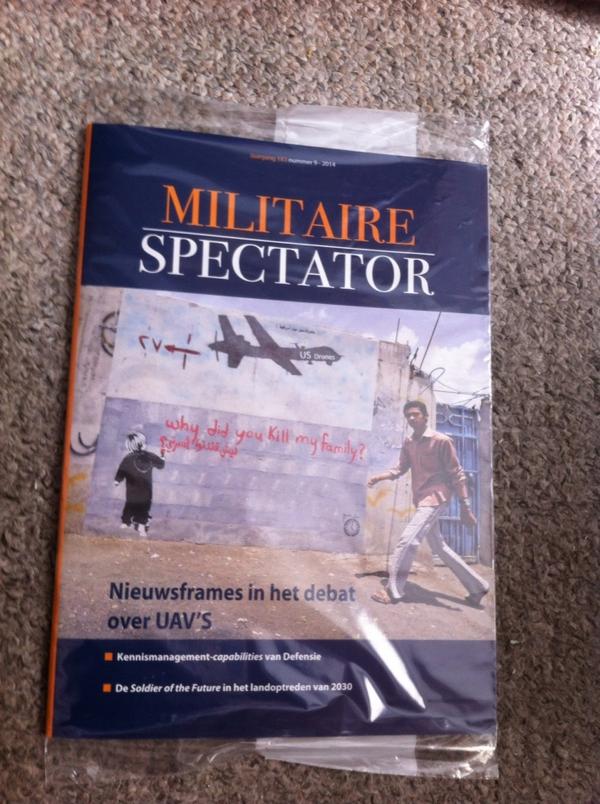


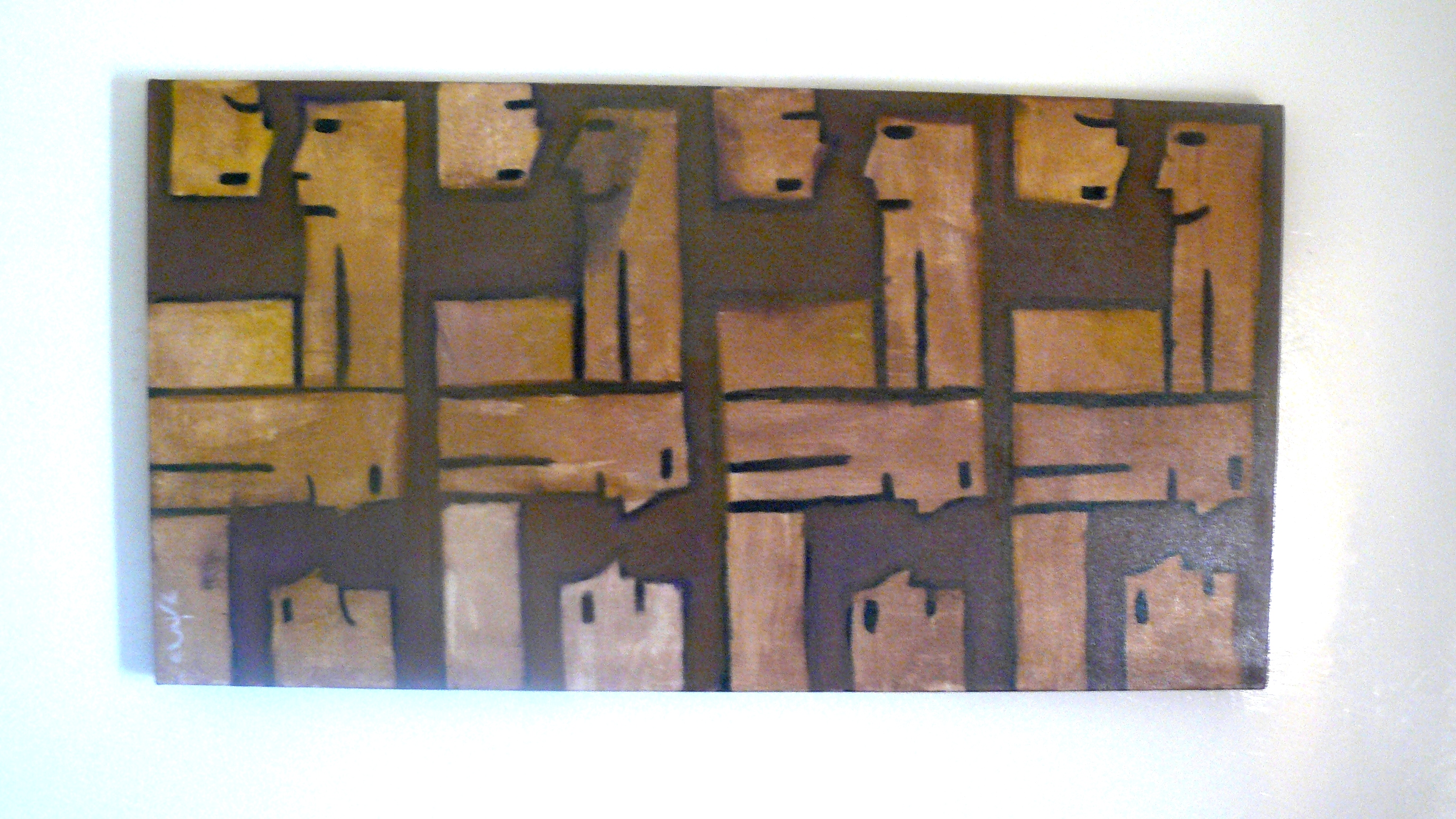

 Murad Subay
