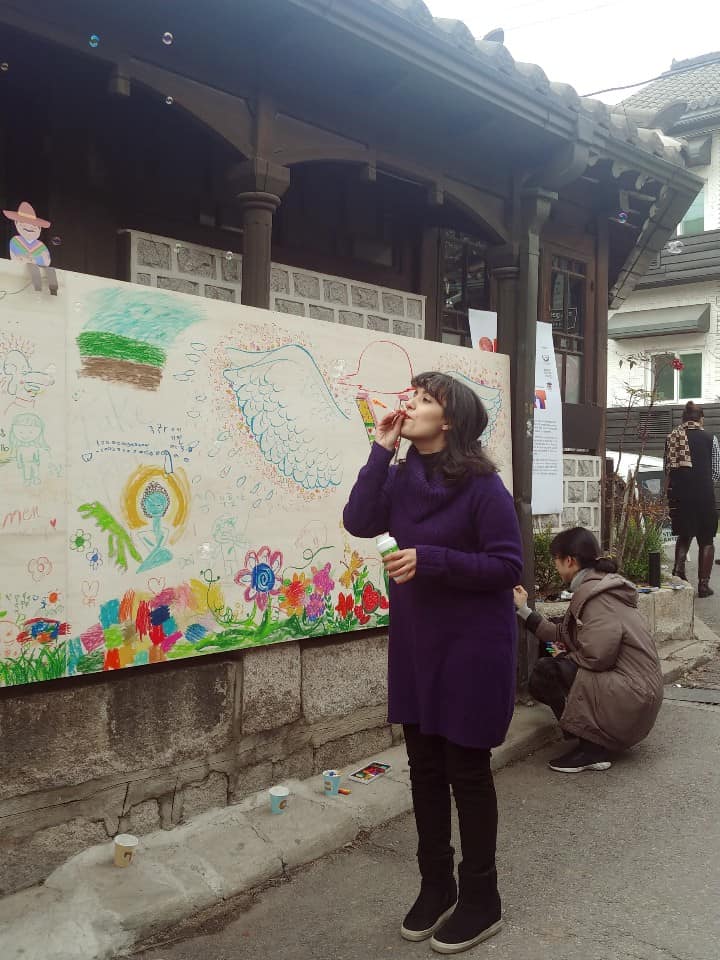
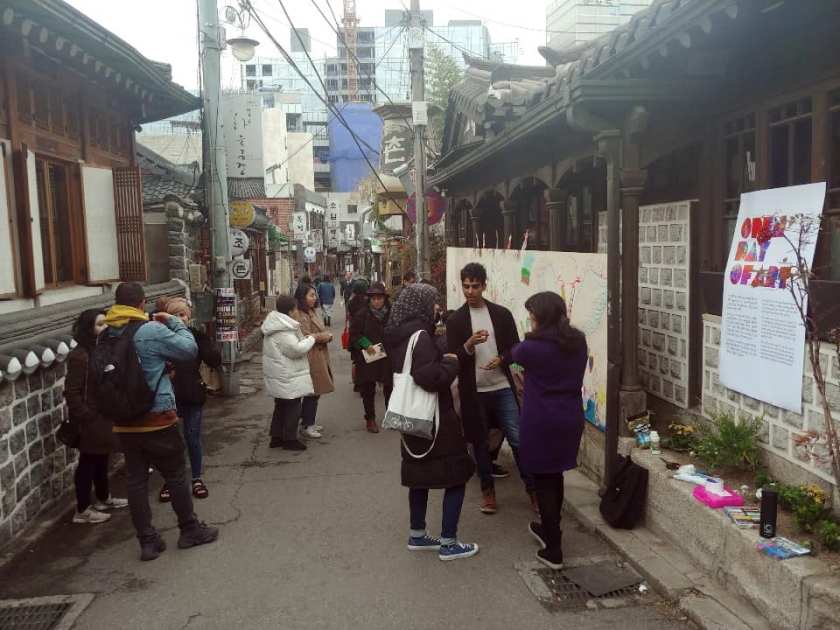
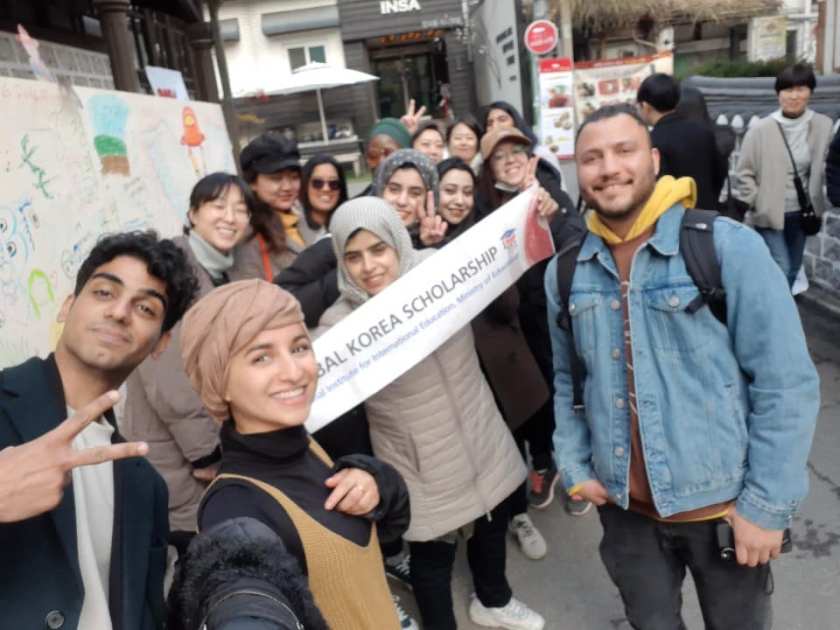
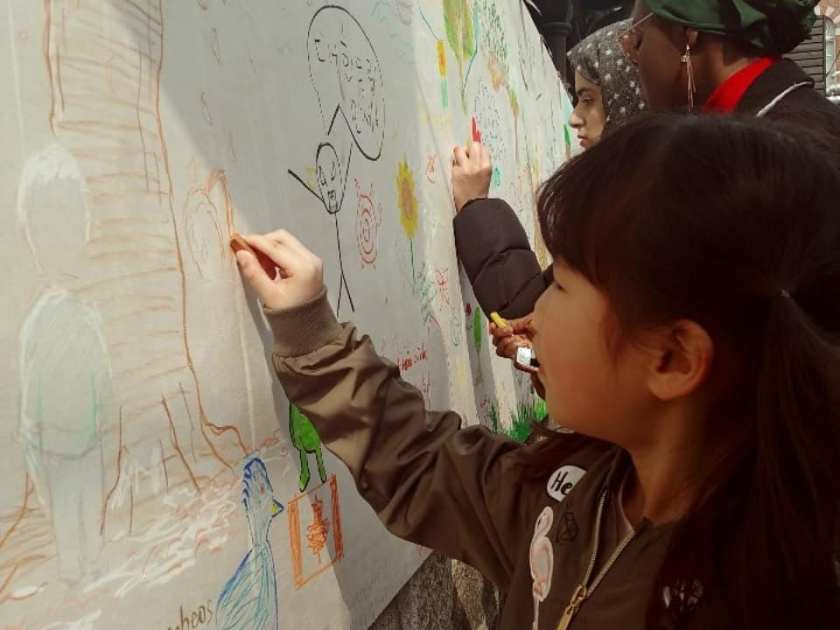
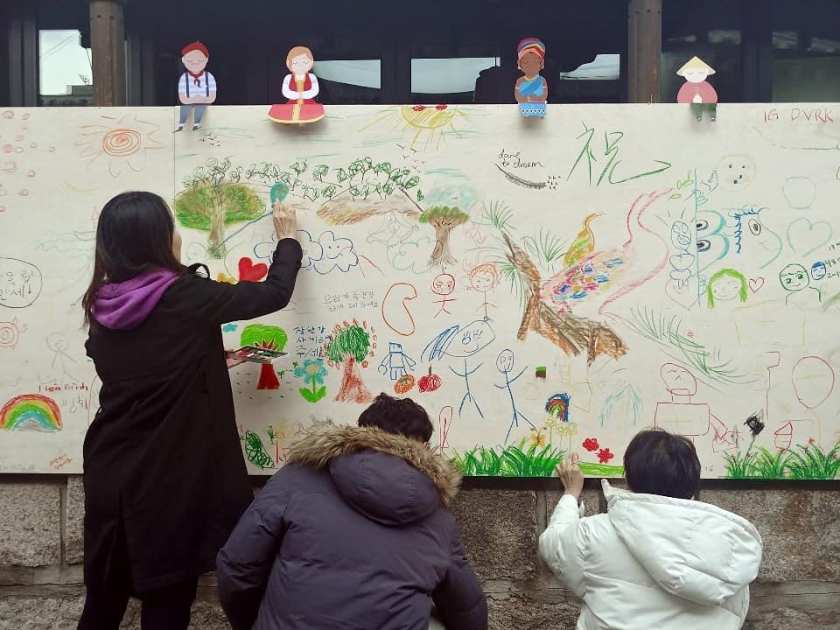
Annual event “Open Day Of Art”, Seoul\ S-Korea, March 2019 اليوم المفتوح للفن، كوريا

عندما يصير الفن ولو بشكل متواضع، إلى جسر لربط ثقافات مختلفة!
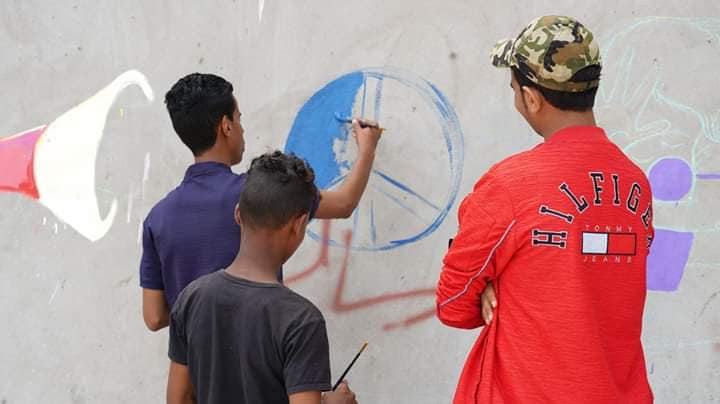
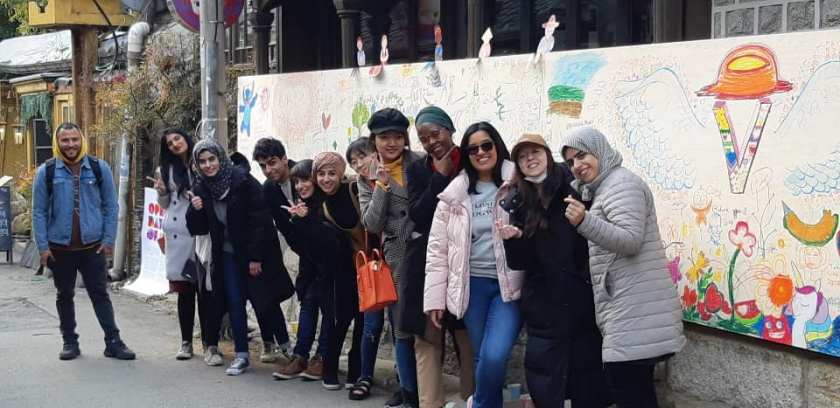
صورة جماعية من الحدث السنوي #اليوم_المفتوح_للفن، والذي أقامه “إتحاد الطلاب اليمنيين” بالتعاون مع منظمة “العالم المفتوح” في العاصمة الكورية الجنوبية “سيول”, 17 مارس 2019. نسق للحدث العزيزتان ” جيمي مون & سهيلة البناء”

When art bridging different cultures and people, even with a humble steps, it is the beginning!
Group photo of Koreans and Yemenis at the annual event #Open_Day_Of_Art, which organized by the amazing people at “Yemeni Students’ Union in cooperation with the “WCO” in South Korea, Seoul, March 17, 2019.
The event coordinated by the amazing “Joo Im Moon & Sohila AlBna’a

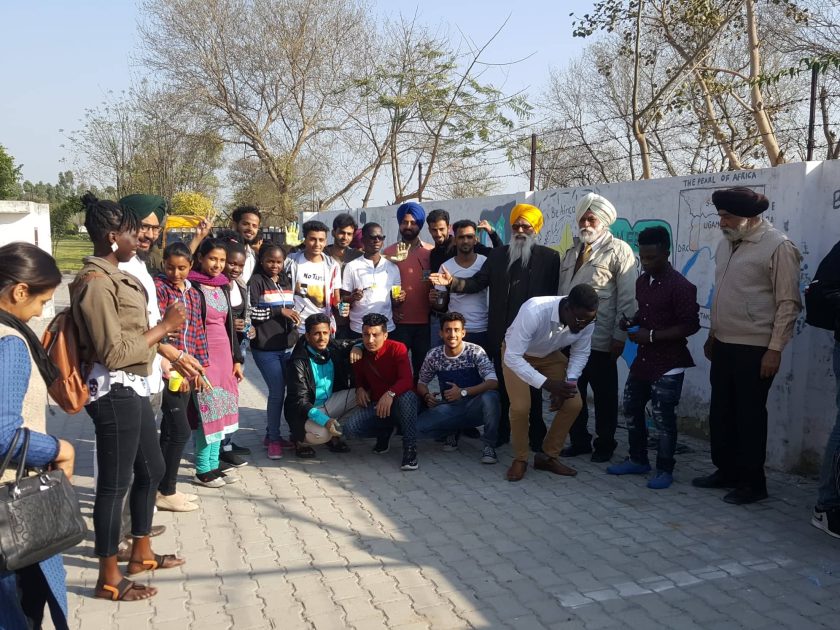
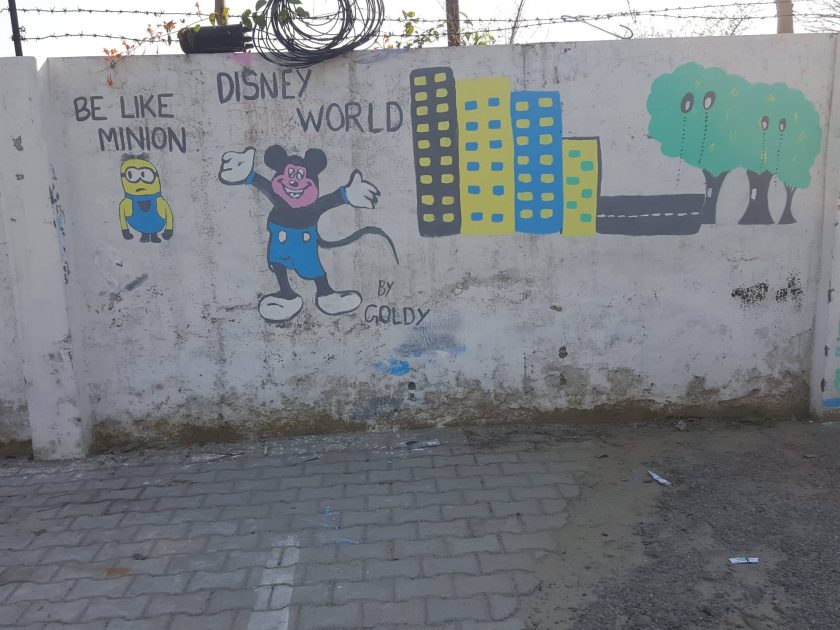
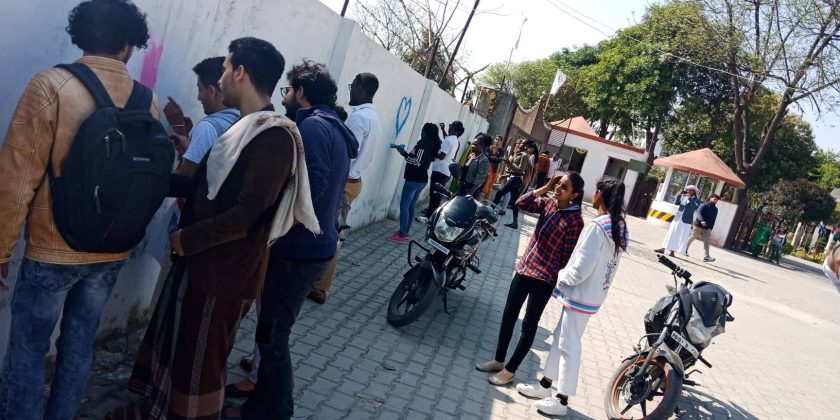
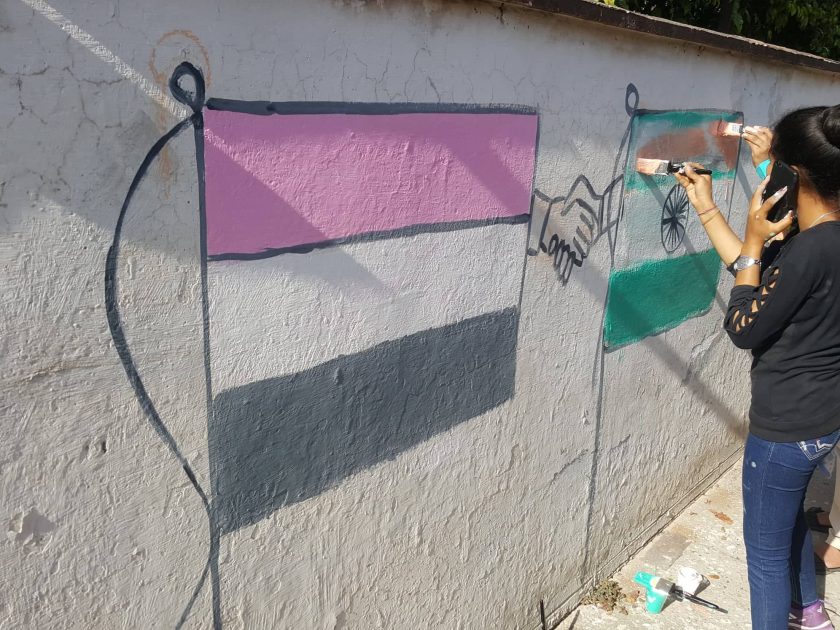
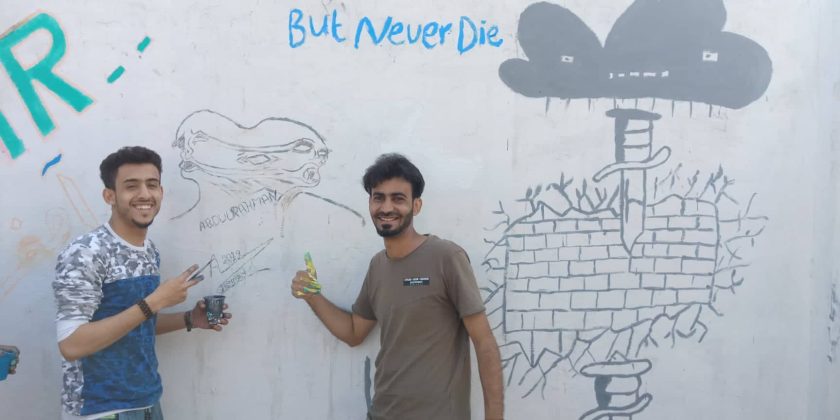
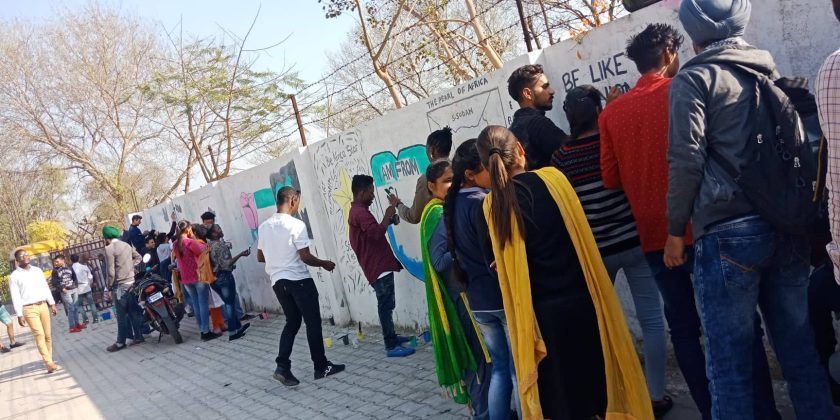
Annual event “Open Day Of Art”, Ludhiana, India. March 2019 اليوم المفتوح للفن، الهند

العمل الجيد والتراكم، يصنعا التغيير.
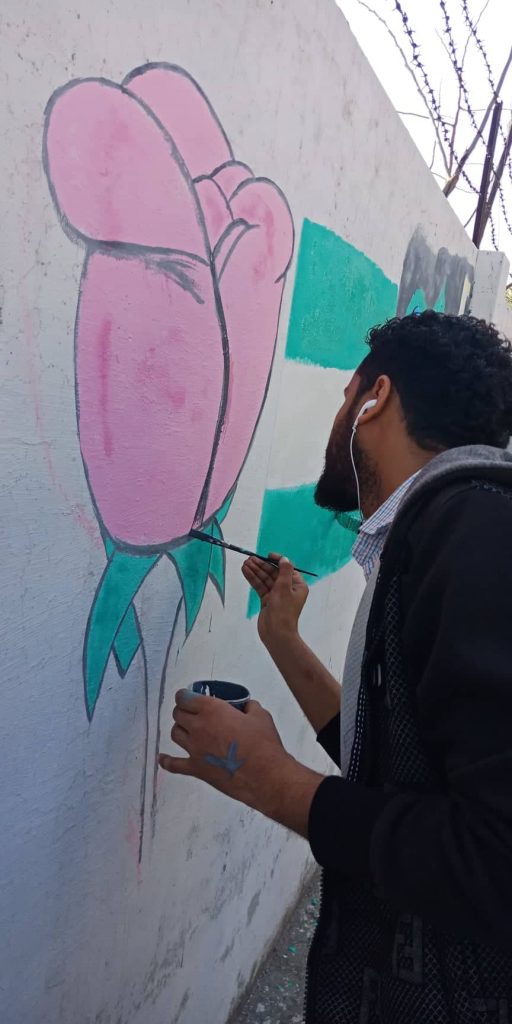
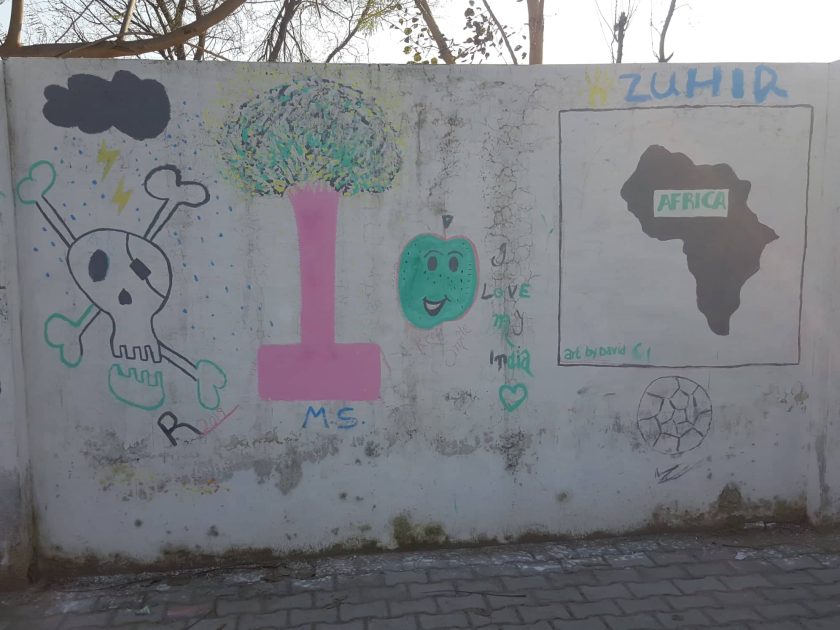
كان لي الشرف بالتعاون مع طلاب “إتحاد الطلاب اليمنيين” وأصدقائهم الهنود، في الحدث السنوي #اليوم_المفتوح_للفن, 16 مارس 2019, والذي أقامو فيه الحدث في مدينة “لوديانا, الهند” على جدران جامعة “بوهتا جروب اوف كوليج”, وبمشاركة من طلاب وطالبات يمنيين وهنود ومن جنسيات مختلفة.
نسق للحدث العزيز “سلطان القادري”

The good work and its accumulation, make change.
It was my honor to collaborate with “The Yemeni Students Union and their Indian friends” at the annual event #Open_Day_Of_Art, March 16, 2019, the event held in the city of Ludhiana, India on the walls of the University of “Bhutta Group of College” with a participation of Yemenis, Indians students and from other nationalities.
The event coordinated by “Sultan ALqadri


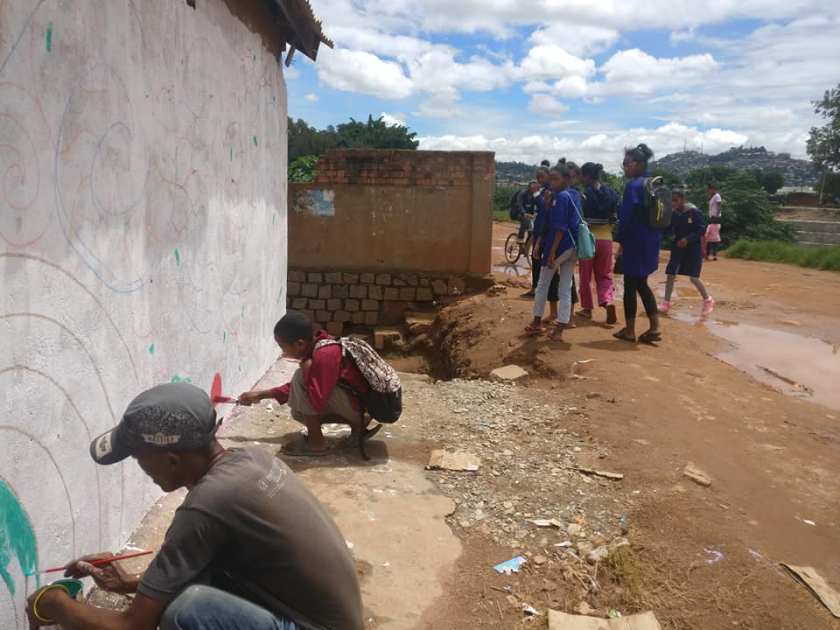
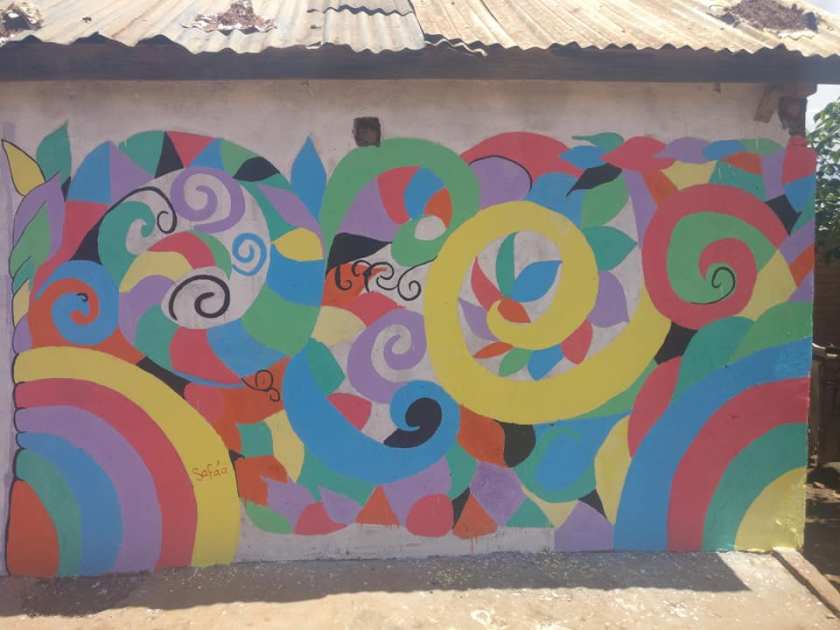
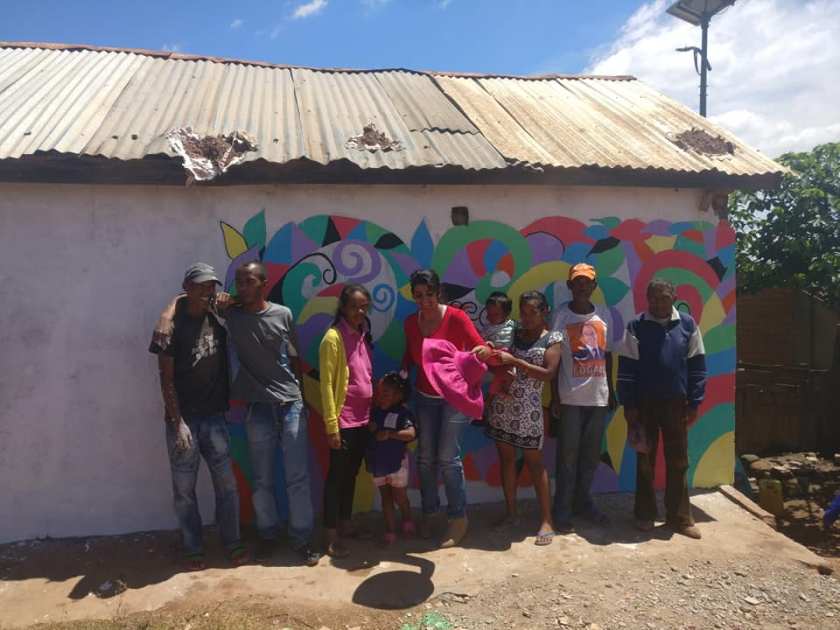
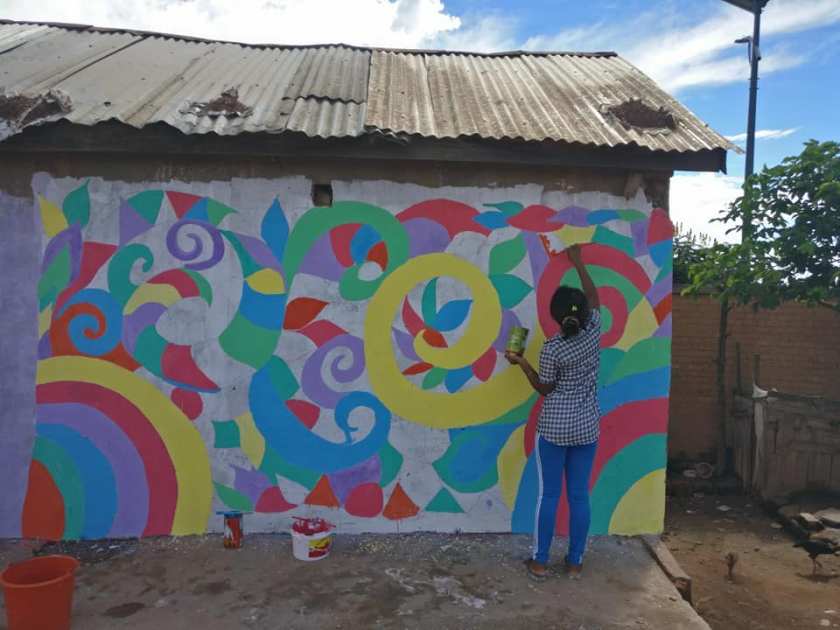
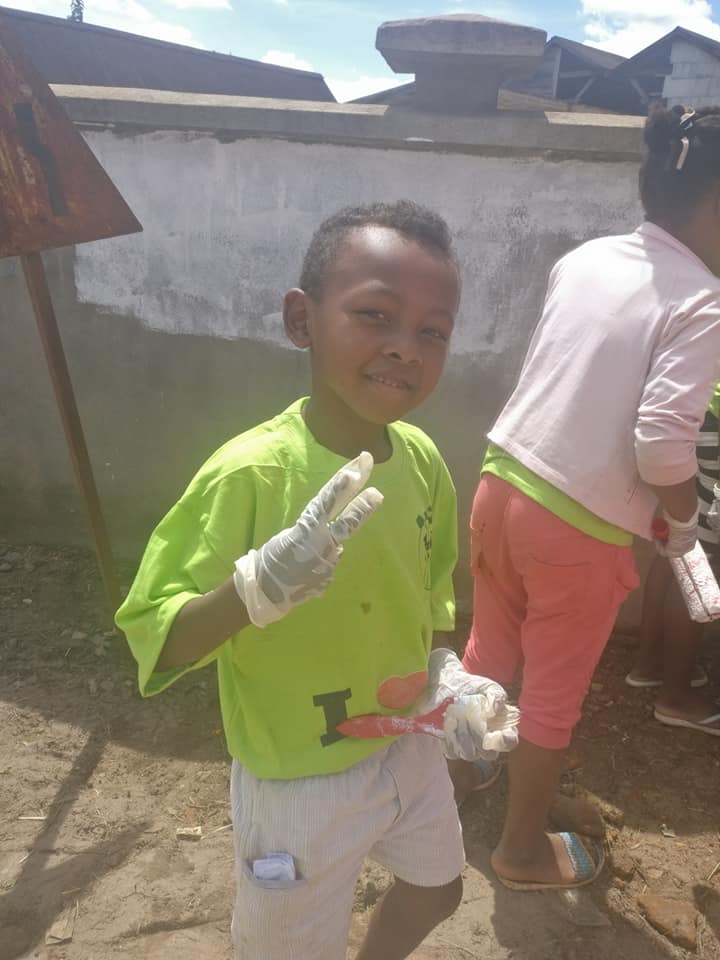
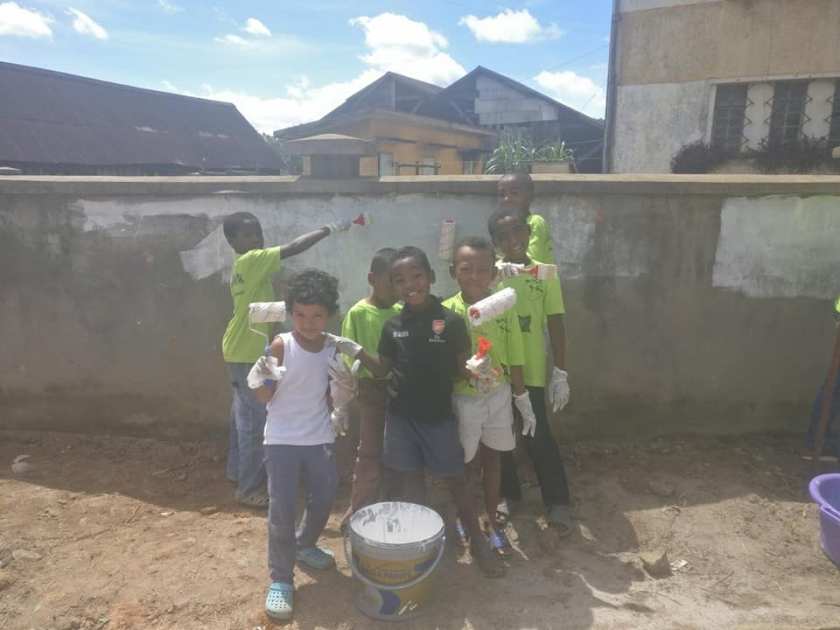
Annual event “Open Day Of Art”, Antana&Andasbi, Madagascar 2019 اليوم المفتوح للفن

يكرس الفنان الحقيقي روحه لشغفه بالفن، على الرغم من كل الصعاب.
إنتقلت الفنانه الرائعة “صفاء أحمد” بين مدينتا “إنتاناناريفوا وإندازبي” في مدغشقر، لتقيم الحدث #اليوم_المفتوح_للفن بذاتها فيهما و بمشاركة الناس في الشارع، مابين يوم 14-16 مارس 2019.

The true artists dedicate his soul to his passion for art, despite the difficulties.
The amazing artist “Safa’a Ahmed” moved from “Antana to Andasbi” cities to organised the event #Open_Day_Of_Art, by herself with the participation of the people in Madagascar, the event held in March 14-16, 2019.

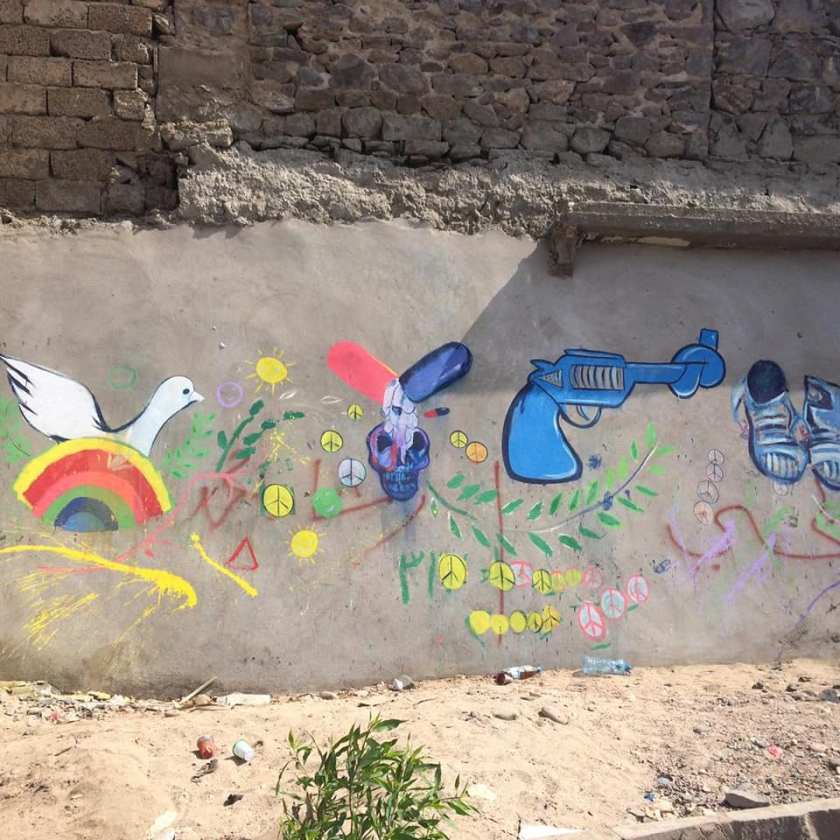
Annual event “Open Day Of Art”, Aden 2019 اليوم المفتوح للفن، عدن

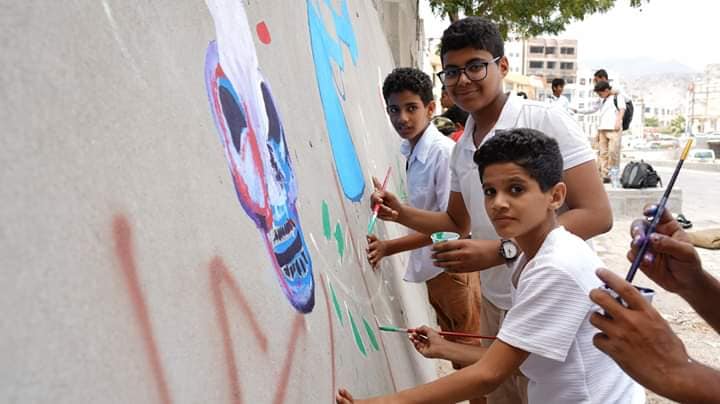
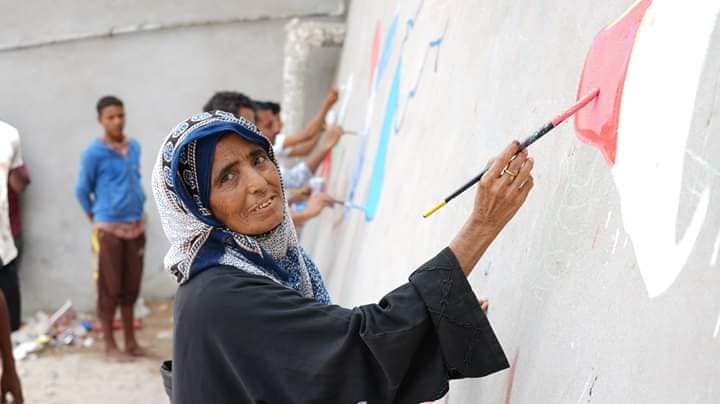
يستطيع الفنان ان يكرس جهوده لترميم جزء من الكسور التي خلفتها الصراعات والحروب.
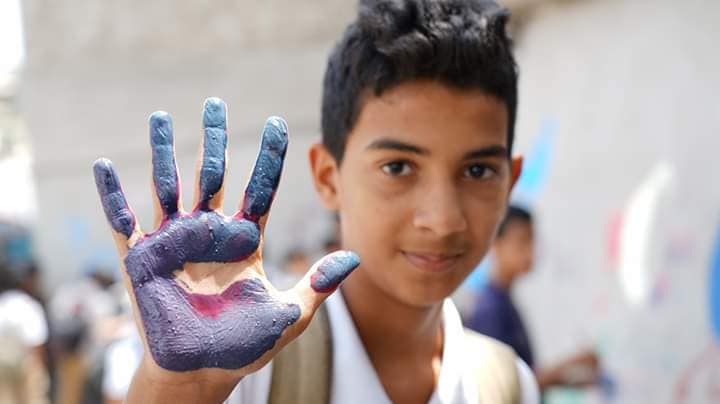
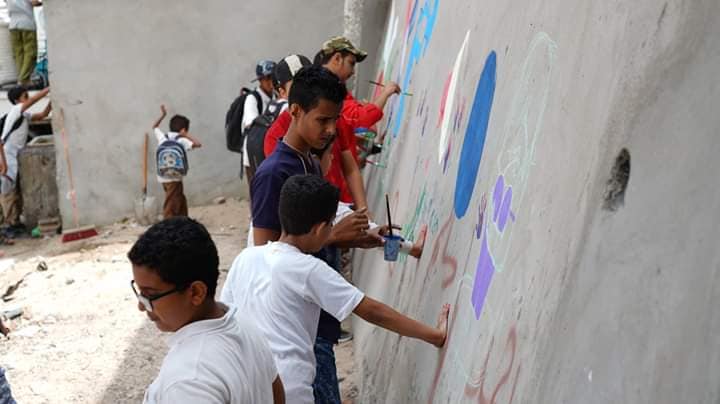
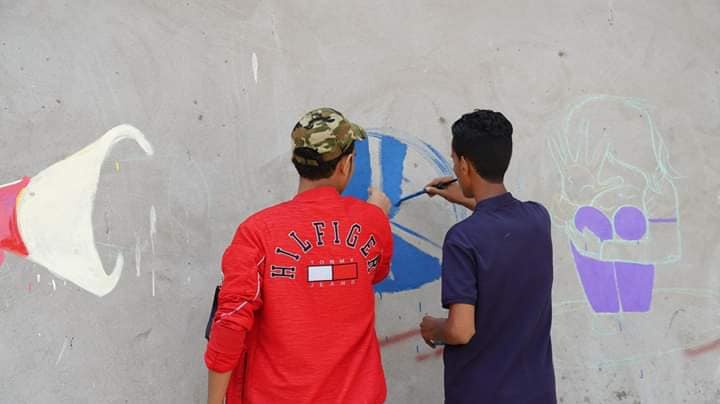
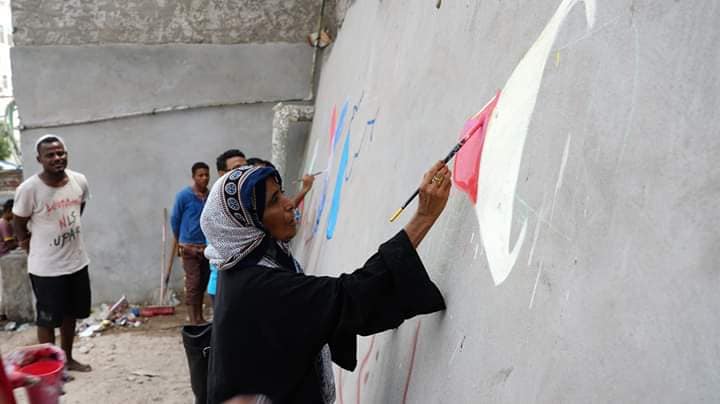
صور لأطفال ووشباب وشابات يرسموا في مدينة “عــــدن” في الحدث السنوي #اليوم_المفتوح_للفن، والذي أقامه الفنان الرائع “عــلاء روبل”, 14 مارس 2019.

The artist can dedicate his efforts to repairing some of the fractures left by conflicts and wars.
Photos for children, young and old people painting the wall, in “Aden” city, in the annual event #Open_Day_Of_Art, that held by the amazing artist “Alaa Rubil

The artist “CIBO” invitation for participation in the “Open Day Of Art” event, Verona, Italy.

يدعوكم الفنان الإيطالي القدير “#CIBO” للمشاركة في الحدث السنوي #اليوم_المفتوح_للفن، يوم غدا 15 مارس 2019، في مدينة “فيرونا، إيطاليا”.
The Amazing Italian artist CIBO, invites you to participate in the annual event “Open Day of Art”, Tomorrow morning March 15, 2019, in Verona, Italy.
the event coordinated by my friend Soraya Monassar.


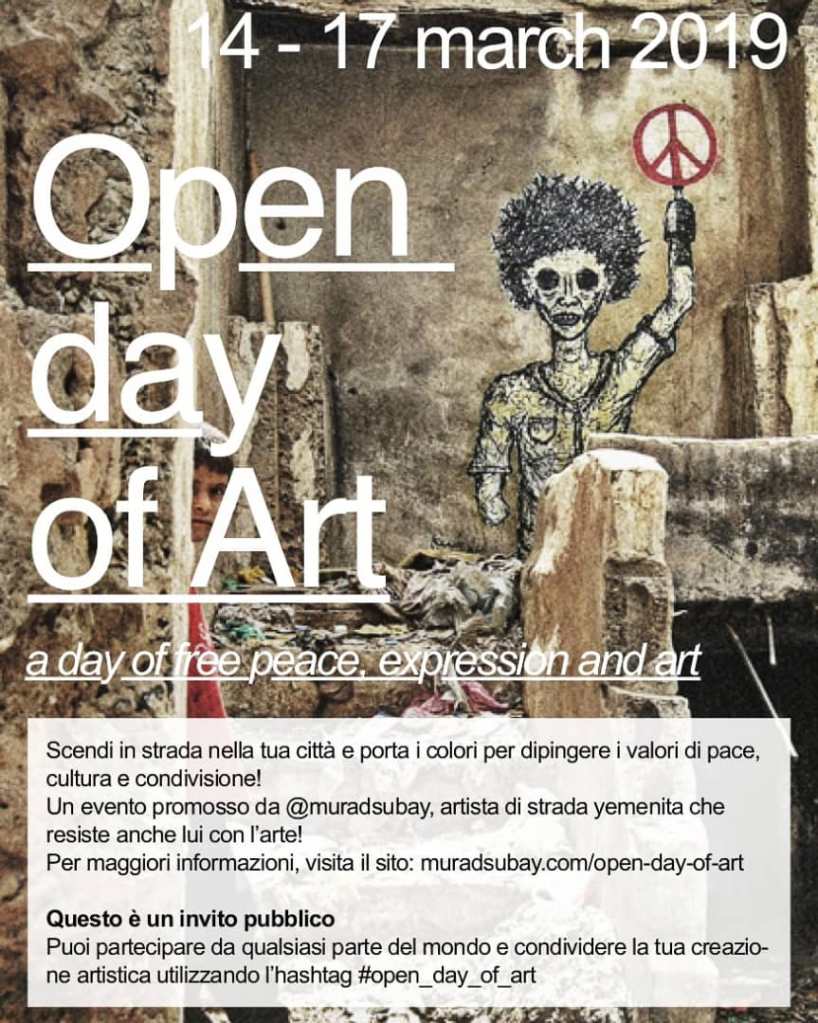
Invitation fro the annual event “Open Day Of Art”, March 2019


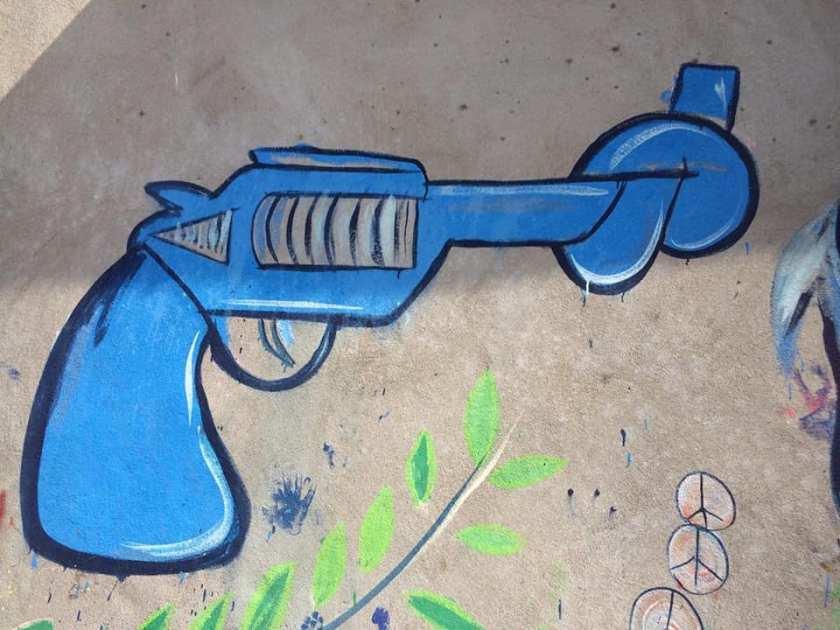
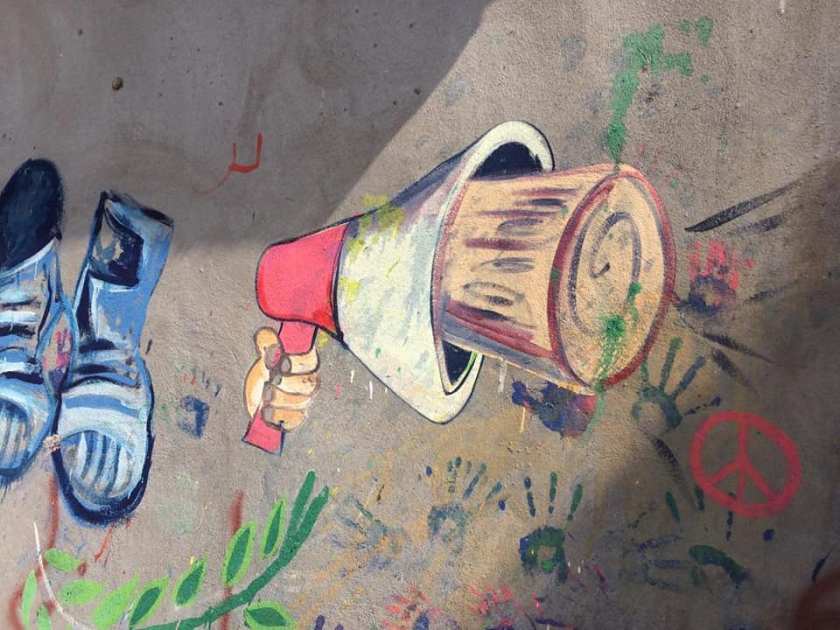
A day of free expression, Peace and Art.

The annual event “Open Day of Art” is returning this year on March 14- 17 in different cities around the world. You are welcome to join us as we cover the streets with art that reflects our experiences, identities and values of peace and coexistence.

Come and bring along your families and friends. People from all genders and ages are welcome.

No artistic experience is needed.

This is a public invitation.

You can participate anywhere in the world by sharing your artistic creation and adding the hashtag #Open_Day_Of_Art

The event organized by artists and foundations in the following cities:

1\ Artist Safa’a Ahmed, in Madagascar in two cities

Andasibe

Antananarivo

2\ Artist CIBO, coordinated by Soraya Monassar

Verona, Italy

3\ COWK org.& Yemeni student union, Coordinated by Sohila Albna’a& Joo Im Moon

Seoul, South Korea

4\ Planet Roller, coordinated by Christine Bernard

Paris, France

5\ Artists Haifa Subay, Samed Al Samei & Thiyazen Alalawi

Sana’a, Yemen

6\ Activist Manal Alkadasi

Taiz, Yemen

7\ Artist Alaa Rubil

Aden, Yemen

8\ Sada Foundation, Coordinated by Faris Al Alie

Haja, Yemen


Invitation Design by: Adel Alqubati

Student reading list: Art and protest/ BY GILLIAN TRUDEAU, On Index Magazine


Student reading list: Art and protest

03 Jan 2019
BY GILLIAN TRUDEAU
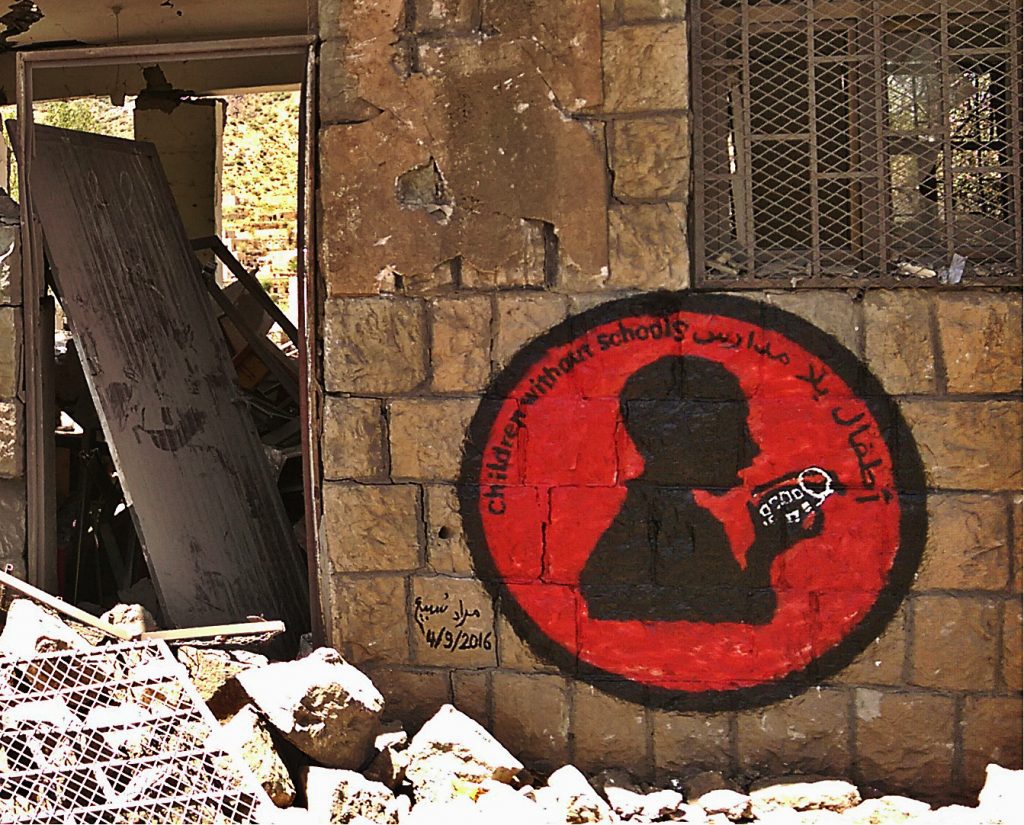
An anti-war mural created by Yemeni street artist Murad Subay, 2016 Freedom of Expression Arts Award winner.

An anti-war mural created by Yemeni street artist Murad Subay, 2016 Freedom of Expression Arts Award winner.

Art has been used as a form of protest during times of crisis throughout history. It is a popular and, at times, effective platform to express opinions about societal or governmental problems, particularly when other forms of protest are not available. Protest art includes performances, site-specific installations, graffiti and street art.

Here Index highlights key articles about art and protest from around the world, from the past five decades.


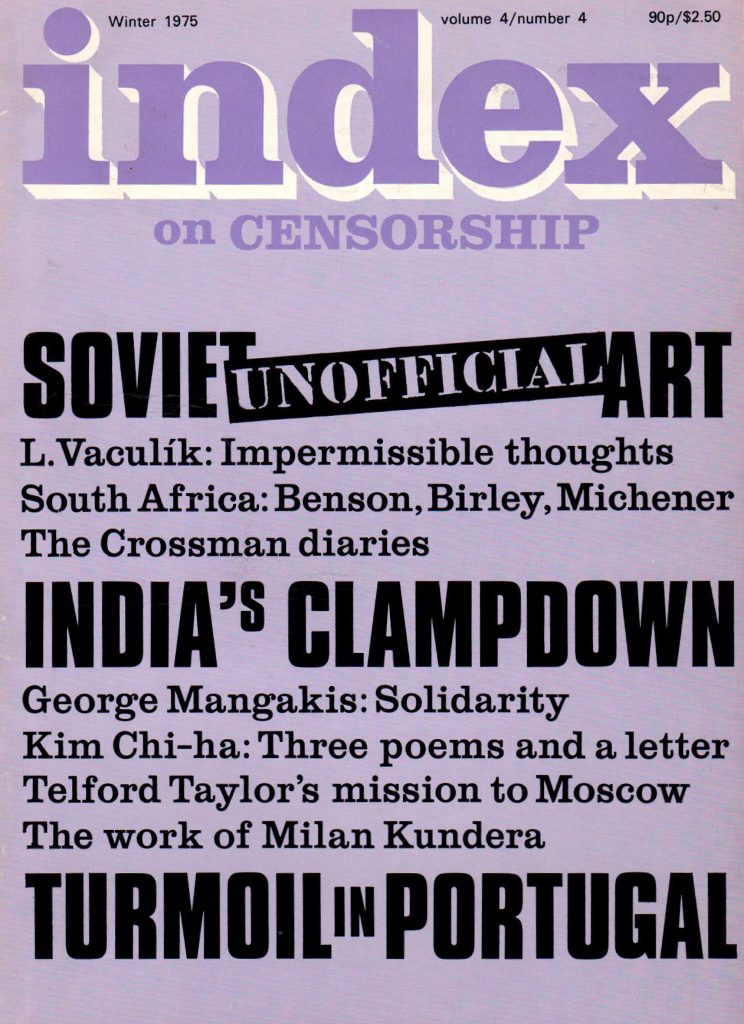
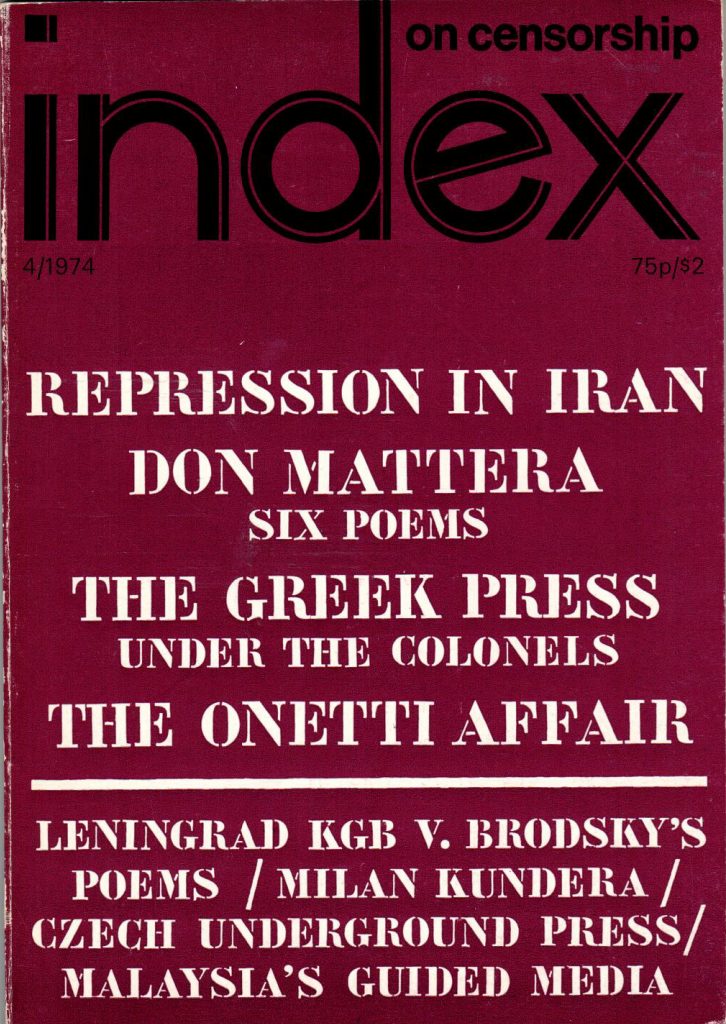
Soviet "unofficial" art, the Winter 1975 issue of Index on Censorship magazine

Soviet “unofficial” art

December 1975, vol. 4 issue: 4

Alexander Glezer writes about his participation in organising the unofficial art exhibit in Moscow. When the first exhibition opened, it was bulldozed by undercover police officers and agents from the KGB (Committee for State Security). In the second exhibition, the authorities were forced by the public to grant permission and ten to fifteen thousand people came to see the paintings and sculptures of 50 nonconformist artists’. Glezer, 41-years-old, was questioned by the KGB, arrested and sentenced 10 days for “hooliganism”. He was allowed to leave the Soviet Union in 1975 February.

Read the full article


Repression in Iran , the Winter 1974 issue of Index on Censorship magazine

Portugal: Art triumphant

December 1974, vol. 3 issue: 4

The Sao Mamed Gallery opened with 186 artworks by 87 artists who had never shown their work in public before due to the regime’s dictating of Portuguese life. The gallery was built to celebrate the result of the military coup abolishing censorship of expression.
Published in the New York Times.

Read the full article


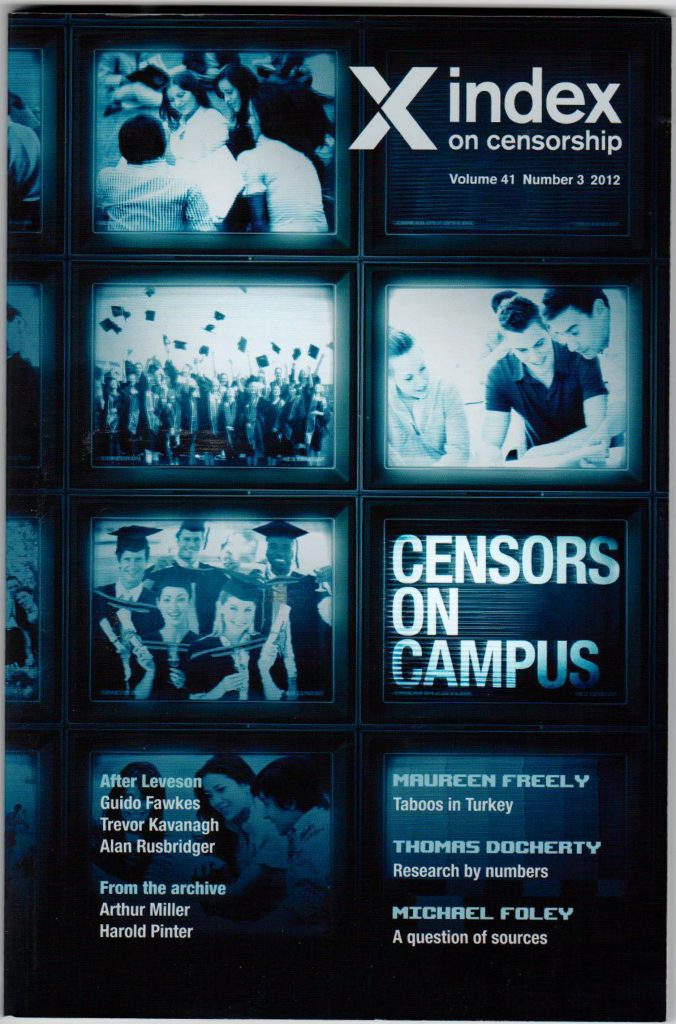
Art of Resistance

September 2012, vol. 41 issue: 3

Malu Halasa, co-curator of the exhibition Culture in Defiance: Continuing Traditions of Satire, Art and the Struggle for Freedom in Syria, writes about how the violence in Syria affected country’s art of resistance production and then created ideas of spreading this work further West which was the reason for the exhibition’s creation.

Read the full article


Dark Arts: Three Uzbek artists speak out on state constraints

December 2014, vol. 43 issue: 4

Author Nargis Tashpulatova interviews writer three Uzbek artists – Sid Yanishev, photographer Umida Akhmedova and conceptual artist Vyacheslav Akhunov who continue to create artwork throughout governmental threats and censorship and the regression of art in Uzbek society.

Read the full article


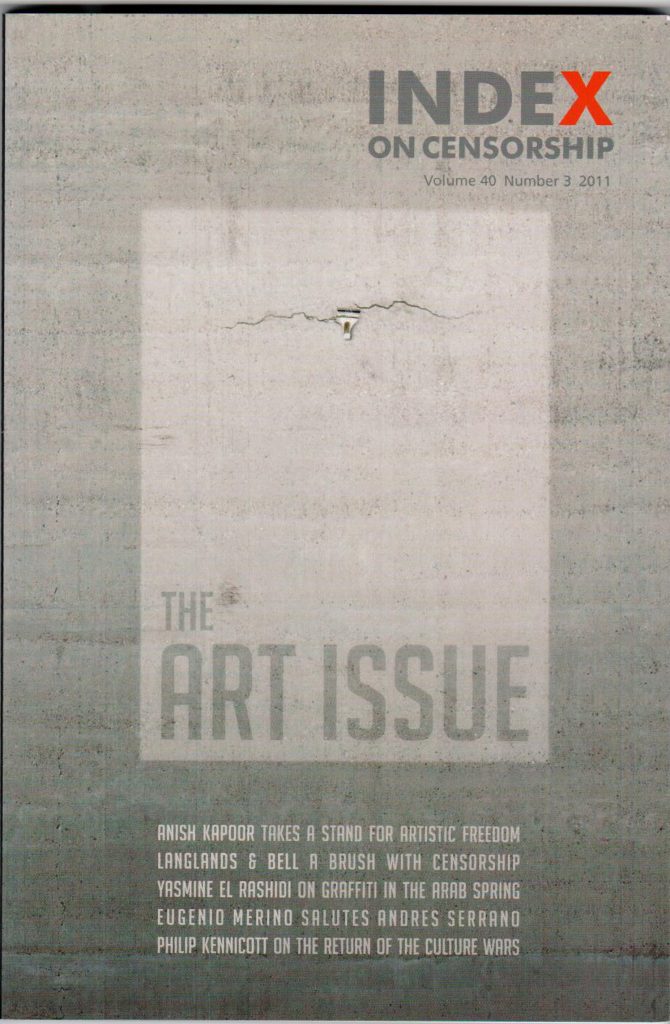
Art or Vandalism

October 2011, vol. 40 issue: 3

Yasmine El Rashidi writes on the outbreak of graffiti in the streets in Cairo during the 18 days of the Egyptian revolution.

Read More>>


Continue reading “Student reading list: Art and protest/ BY GILLIAN TRUDEAU, On Index Magazine”

فنان يمني يستخدم الجدران المدمرة كلوحات لتوثيق يوميات الحرب/ مقال بقلم الصحفية “ساره التميمي، على “سي ان ان” بالعربي”

فنان يمني يستخدم الجدران المدمرة كلوحات لتوثيق يوميات الحرب

ستايل

نشر 
فنان يمني يستخدم الجدران المدمرة كلوحات لتوثيق يوميات الحرب

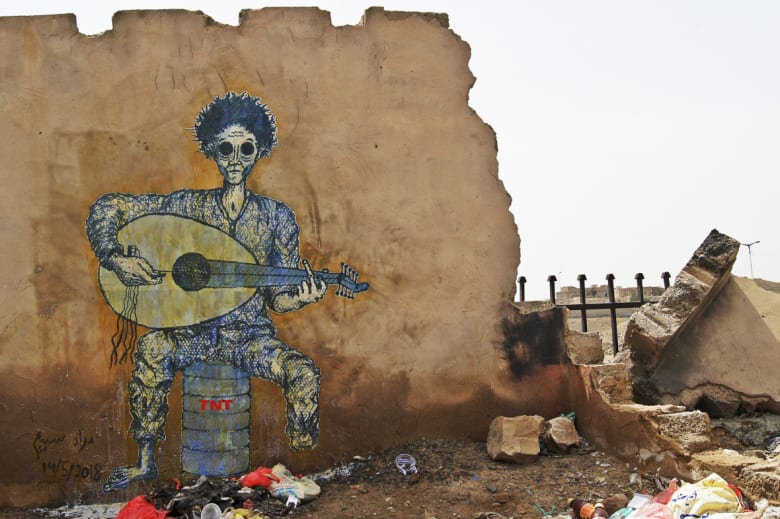
دبي، الإمارات العربية المتحدة (CNN)– ينتقل بين طيات الآلام اليومية وصراخ الأحياء الباحثين عن الموتى، إلى عالم آخر يرتطم الصمت فيه بجدار اجتازه رصاص القناصين في اشتباك سابق. ويستعين الرسام اليمني مراد سُبيع بألوان الأكريليك والبخاخات للرسم على الجدار الشبه صامد في إحدى مناطق اليمن.

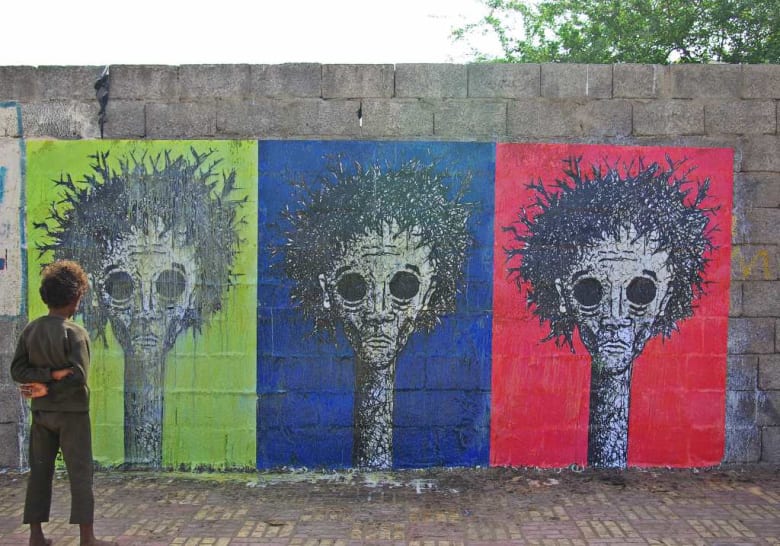
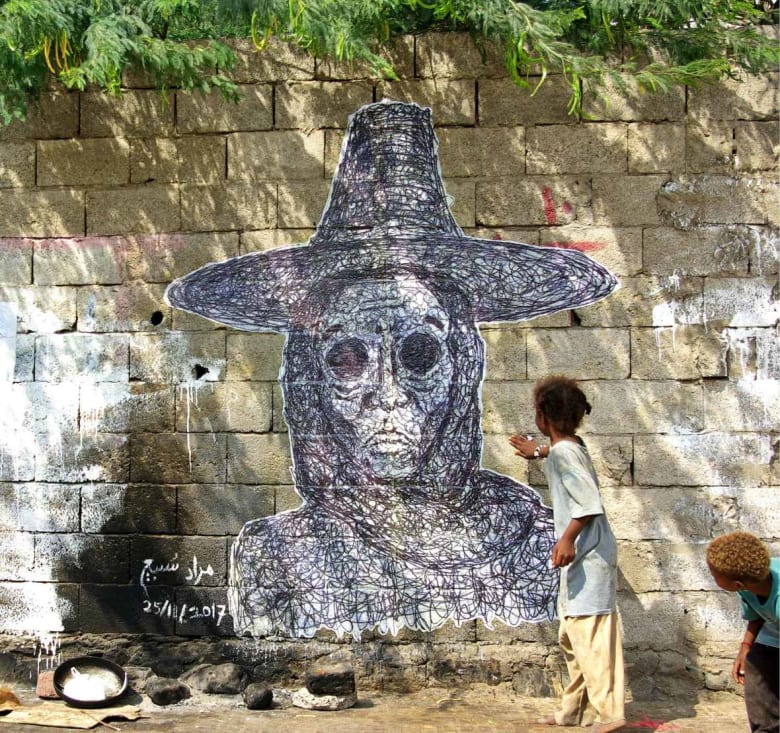
ويلتصق جلد الشخصية التي يرسمها بعظامها لتبدو هزيلة لا قوة لها، بينما يبدو شعر الشخصية الأشعث متطايراً بلا مبالاة، ويحتل السواد أبيض العيون، ولكن كل تلك التفاصيل لم تخرج من عدم الفنان، بل من التجارب التي عاشها خلال الحرب في اليمن.

فنان يمني يستخدم الجدران المدمرة لوحات لتوثيق الحرب

وأراد الفنان اليمني “نقل وتأريخ الفترة الصعبة جداً” في تاريخ “بلد يحدد مستقبله” على حد تعبيره، إذ اختار سبيع في عمله الفني “وجوه الحرب” أن يرسم شخصيات هزيلة، في إشارة إلى حالات “الجوع والحرب والمرض” التي يعيشها أهل اليمن، وشبّه شعر شخصياته بـ “الغابات المحترقة”، وقرر استبدال الأعين “بثقب أسود” ليجسد “تأثير الحرب التي أخرجت العيون من محجرها”.

فنان يمني يستخدم الجدران المدمرة لوحات لتوثيق الحرب

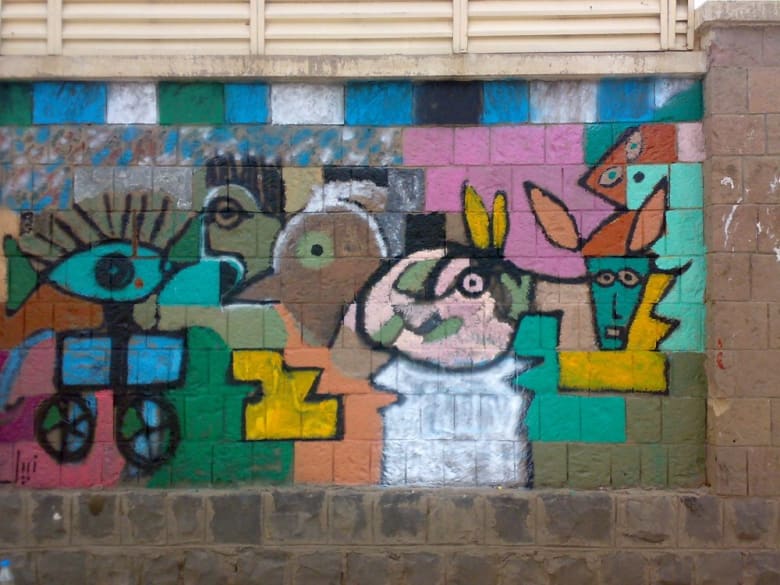
ولا تتربص ويلات الحرب وأشباحها بفن سُبيع دائماً إذ تخترق الألوان المبهجة أعماله الفنية بين الحين والآخر، حيث هدف أول مشروع له حمل عنوان “لوّن جدار شارعك” والذي بدأه في عام ٢٠١٢ إلى “محو الصراع” الذي حصل في موقع اللوحة وإخفاء آثار الدمار على الجدران.

وبدأ الفنان اليمني بالرسم وحيداً في بداية الحملة، إلا إنه وبعد أسبوع من العمل تقريباً، بدأ أهل المنطقة بالانضمام إليه والانغماس في عالم الألوان أيضاً، واعتبر سُبيع الحملة الفنية “كرنفالاً لونياً فريداً من نوعه بسبب تواجد الناس”.

فنان يمني يستخدم الجدران المدمرة لوحات لتوثيق الحرب

“صورة لجدارية الفنان نبيل القاسم من ضمن حملة “لون جدار شارعك

ويرى الفنان اليمني أن الفن هو “وسيلة للتواصل مع الآخرين”، بينما اختار ممارسة فن الشارع كونه “بعيد عن الأماكن المغلقة ويستطيع الفنان من خلاله الوصول إلى كل الناس”.

أما فيما يتعلق بحيثيات الرسم على الجدران في اليمن، فقال سُبيع لموقع CNN بالعربية إنه من الضروري زيارة الحائط قبل البدء بالرسم وذلك بهدف “التشبع بالقصة وتكوين علاقة مع الجدار”.

وغالباً ما تتلقى الأعمال الفنية نقداً في الحالة الطبيعية، إلا أن جداريات سُبيع عانت من عمليات “الطمس” على حد تعبيره، كما منع في بعض الأحيان من إكمال الرسم، وتعرضت مجموعة الفنانين المشاركين معه في أحيان أخرى للاعتقال.

فنان يمني يستخدم الجدران المدمرة لوحات لتوثيق الحرب

صورة لجدارية الفنانة هيفاء سبيع من ضمن حملة “لون جدار شارعك”

ولكنه رغم كل المصاعب استمر برش الألوان على الحائط دون استسلام، ليقينه بأن “الفن أهم في وقت الحرب” كونه الزمن الذي “تختفي فيه الآمال والأحلام والحياة” في حين يحاول الفن أن يكون موجوداً رغم الصعاب مما يجعله أسلوباً تعبيرياً “عميقاً ومهماً”، على حد تعبيره.

ينظم سُبيع النسخة الخامسة من مشروع “اليوم المفتوح للفن” والذي سيقام في 15 من مارس 2019، بهدف “المحافظة على التواصل المستمر بين الناس”، إذ يقوم الأشخاص في مدن مختلفة من اليمن والبلدان الأخرى المشاركة بالمهرجان بالرسم في نفس الوقت واليوم بهدف بناء “جسر في الوقت الذي تفرق فيه الحدود والحرب بين الناس”.

فنان يمني يستخدم الجدران المدمرة لوحات لتوثيق الحرب


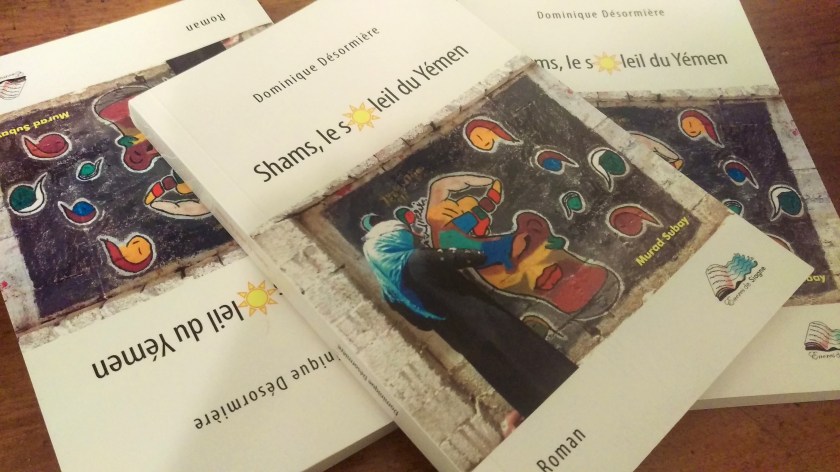
“Shams, le soleil du Yemen” Novel by French Novelist “Dominique Désormière”

“شمس اليمن”

إن سعادتي بالغة بهذا التكريم الغير عادي.
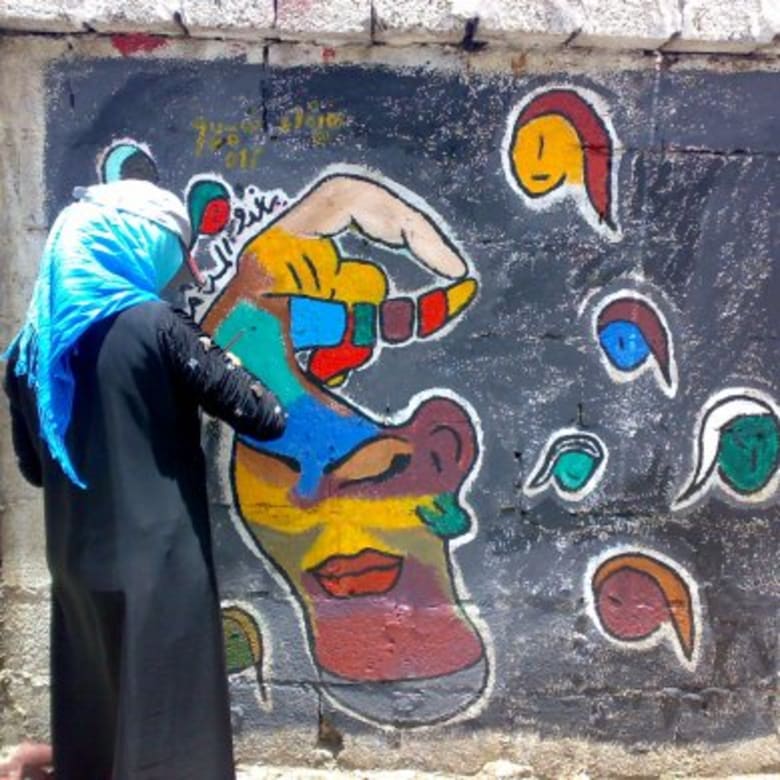
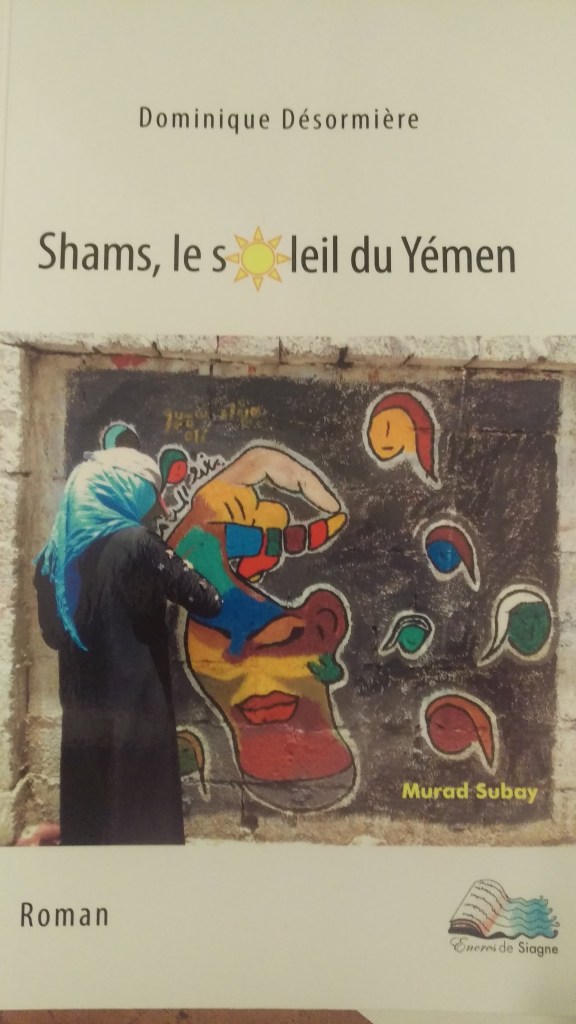
رواية “شمس” والتي أهدتني فيها الروائية الفرنسية “دومينيك ديسورميير” كتابها هذا، والذي أجسد فيه أحد شخصيات الرواية.
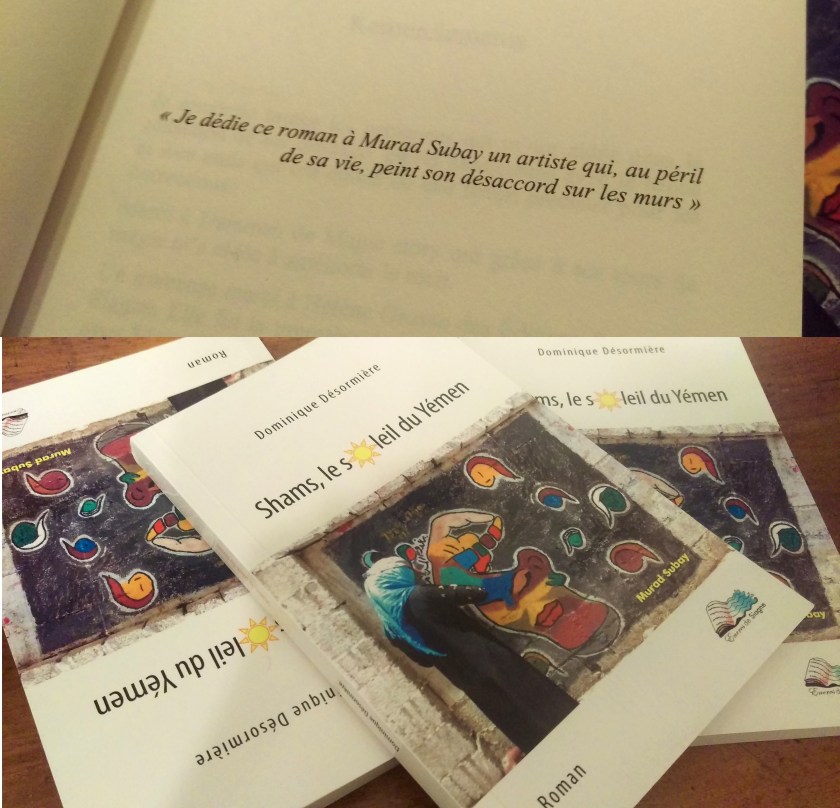
تقول على الصفحة الثانية للكتاب المخصصة للإهداء “أهدي هذه الكتاب للفنان مراد سبيع والذي يرسم على الجدران على الرغم من الخطر على حياته ومناهضا لكل ما يرفضه”

بإمكانكم شراء الكتاب على الأنترنت من الرابط أدناه.

“Shams, le soleil du Yemen”

I am very pleased with this extraordinary honor.
The novel “Sun”, in which the French novelist “Dominique Désormière” dedicate me her novel, in which I embodied one of the characters of the her book.
She says on the second page of the book’s dedication “Je dedie ce Roman a Murad subay un artiste qui, au peril de sa vie, peint son desaccord sur les murs”

“I dedicate this book to the artist Murad Subay, who paints on the walls despite the danger on his life and anti-everything that he rejects”

You can get the book online from the link

Le strade parallele di Murad Subay e Andrea Villa\ By Luca Scarcella, on “La Stampa”


Le strade parallele di
Murad Subay e Andrea Villa

emen e Italia: due Paesi profondamente diversi, per storia e cultura, processi politici, sistemi di governo, strutture educative e modelli pedagogici. Murad Subay è nato e vive in Yemen, mentre Andrea Villa in Italia: oggi sono due giovani adulti che, nonostante le enormi differenze di percorso, esprimono le loro idee allo stesso modo, attraverso la street art, come reazione intellettuale e creativa alle difficoltà sociali, anche queste dissimili, dei due Paesi.

Lo Yemenil paese più povero del Medio Orienteè teatro di una guerra interminabile. L’ultimo scontro bellico, che si protrae dal 2015, è figlio di uno scenario cambiato tra la fine del 2011 e l’inizio del 2012, quando Ali Abdullah Saleh, il capo del Paese da oltre trent’anni, lasciò il potere in seguito alla cosiddetta «Primavera araba», che in Yemen fu guidata dai giovani yemeniti, a cui successivamente si unirono il gruppo Islah, all’interno del quale c’erano anche i Fratelli Musulmani yemeniti, e poi gli Houthi (gruppo sciita zaydita, frangia dello sciismo di cui fa parte circa il 35 per cento della popolazione musulmana yemenita), usati dall’ex presidente Saleh come testa di ponte per sedare dall’interno la rivoluzione. Saleh governava il Paese dal 1978, prima solo lo Yemen del Nord, e poi la Repubblica Unita dello Yemen dopo l’unificazione (maggio 1990). Il 21 settembre 2014, gli Houthi occuparono Sana’a: una invasione che loro definirono «rivoluzione», ma in realtà si trattava della miccia che fece esplodere poi la guerra nel 2015.

Una lenta e complicata transizione politica, sostenuta e modellata a piacimento dai Paesi del Consiglio di Cooperazione del Golfo, di cui fanno parte Bahrein, Emirati Arabi Uniti, Kuwait, Oman, Qatar, e Arabia Saudita, ha portato all’elezione di Abdel Rabbo Monsour Hadi, che diventò così il nuovo presidente. L’elezione di Hadi è stata riconosciuta dai paesi arabi e dall’Occidente.

Gli Stati Uniti cominciarono a collaborare subito con Hadi, con cui condividono due grandi avversari: Al-Qāʿida nel sud (dove ha trovato una nuova roccaforte dopo aver abbandonato l’Afghanistan) e i ribelli sciiti Houthi nel nord del Paese, sostenuti economicamente e logisticamente dall’Iran, tenuti a bada dal Presidente dimissionario con un’alleanza precaria successiva alla Rivoluzione, dopo decenni di guerre. Saleh quindi non lasciò mai davvero il potere, ma nel 2017 decise di assecondare il nuovo corso e avvicinarsi maggiormente all’Arabia Saudita, firmando così la sua condanna a morte. Fu ucciso proprio dagli Houthi nel dicembre del 2017. Gli arabi, vicini al nuovo presidente Hadi, considerano la loro sicurezza interna il motivo principale dell’intervento in Yemen, e per questa gli Houthi sono una grave minaccia. Il rafforzamento degli sciiti yemeniti potrebbe irrobustire la minoranza sciita che si trova nelle zone orientali dell’Arabia Saudita, e che continuamente cerca di ridimensionare il potere della monarchia sunnita.

Ciò che sta accadendo in Yemen non è uno scontro tra buoni e cattivi, ma un complicatissimo tentativo di difesa di interessi, da più parti, dove a farne le spese è la popolazione. Lo Yemen ha un disperato bisogno di pace. Oggi è in preda a un incubo umanitario, con epidemie di colera e difterite, fame e devastazione. Ma non solo: il futuro delle nuove generazioni yemenite passa anche attraverso la scuola e l’istruzione, oggi in crisi più che mai. In questo scenario Murad Subay è passato dall’essere un ragazzo schivo e solitario, a uomo determinato e coraggioso, che servendosi della sua arte cerca di riportare speranza negli occhi e nelle intenzioni dei suoi connazionali.

Continue reading “Le strade parallele di Murad Subay e Andrea Villa\ By Luca Scarcella, on “La Stampa””