الذكرى الأولى لإنطلاق حملة “الجدران تتذكر وجوههم”

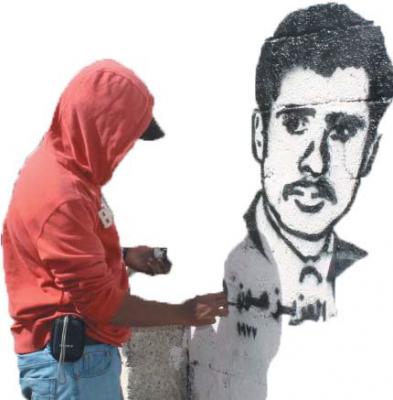
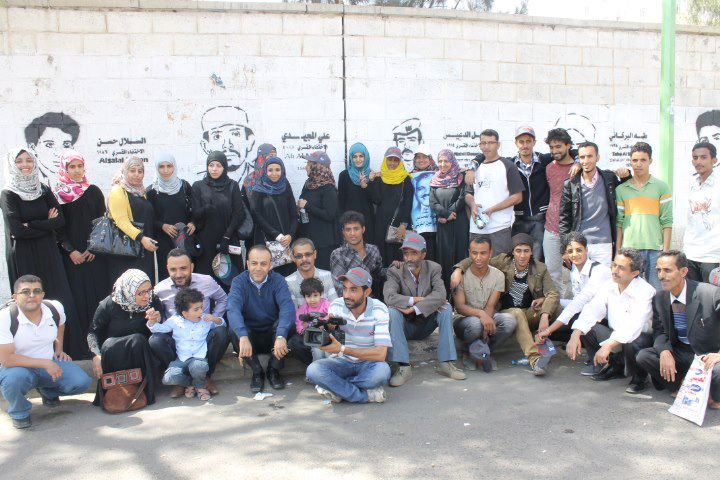
بالأمس 8 سبتمبر، كانت الذكرى الأولى لإنطلاق حملة “الجدران تتذكر وجوهههم” التي هدفت إلى التذكير بالمختفين قسريا وقضيتهم العادلة. بهذه المناسبة أشكر كل من ساهم في نجاح الحملة وأخص بهذا الفريق الرائع الذي عملت معه والأصدقاء والصديقات من الصحفيين والكتاب والناشطين وأسر المختفين قسريا الذين شكلو القلب والروح لـ “الجدران تتذكر وجوههم”. كان لي الشرف الكبير بالعمل إلى جوارهم طيلة سبعة أشهر من الرسم المستمر في شوارع المدن اليمنية.

إلى أسر المختفين قسريا، أتمنى على الله أن تجدوا السلام والطمأنينة.

23rt

12th hour graffiti campaign in yemen surfaces political concern

12th hour graffiti campaign in yemen surfaces political concern

designboom
12th hour graffiti campaign in yemen surfaces political concern

original content
12th hour graffiti campaign in yemen surfaces political concern
1
aug 27, 2013


12th hour graffiti campaign in yemen surfaces political concern
images courtesy of murad sobay


responding to the widespread social upheaval spreading throughout his country, yemeni artist and activist murad sobay initiated the ’12th hour’ campaign — a series of street art murals, paintings, and graffiti that discuss 12 cultural concerns the country is currently engaged in. the artworks are emblazoned across the walls of the yemeni capital of sana’a, and unfold as an hour-by-hour series, all in pursuit of cultivating awareness of the problems in a peaceful and participatory way. the project is sustained by a massive public response — initiated through a call-to-action on facebook. citizens demonstrate their interest in the creative campaign by taking to the streets with sobay and painting the walls with powerful messages about government and policy. the walls transform into expository stories, which shed light on the consequences of anti-government demonstrations and alternatively encourage a non-violent discourse.

Continue reading “12th hour graffiti campaign in yemen surfaces political concern”

(الجنايات الدولية)تقبلُ رسميا أول دعوى لمواطن يمني ضد “المخلوع”والرئيس هادي والداخلية والدفاع والأمن السياسي والاستخبارات والقمش والجاكي بشأن مخفي قسرا منذ 1981م

(الجنايات الدولية)تقبلُ رسميا أول دعوى لمواطن يمني ضد “المخلوع”والرئيس هادي والداخلية والدفاع والأمن السياسي والاستخبارات والقمش والجاكي بشأن مخفي قسرا منذ 1981م


المجموعة: اخبار واحداث
نشر بتاريخ الإثنين, 05 غشت 2013 00:32
كتب بواسطة: إنسان نت 

إنسان نت – حصريا

أفاد مصدر حصري لـ”إنسان نت” أن (محكمة الجنايات الدولية) قبلت دعوى عدلية وقانونية رفعت لأول مرة على المستوى الدولي من قبل أحد المواطنين اليمنيين أمام محكمة الجنايات الدولية) ضد حكومته.

وأكد المواطن اليمني رشيد أحمد المسربة نجل المخفي قسرا أحمد غانم معروف المسربة أن هذه أول دعوى قضائية من نوعها تحظى بالقبول دوليا مؤكدا أنه وأسرته تلقوا اتصالا  من جانب المحكمة الجنائية الدولية ,وقد تم إبلاغهم بضوء الدعوة وحيثياتها بقبول رسمي لدعوى تقدموا بها ووصفت “بأنها أولى دعوى من مواطن يمني”يتم قبولها رسميا ضد”الدولة اليمنية” حسب المصدر.

Continue reading “(الجنايات الدولية)تقبلُ رسميا أول دعوى لمواطن يمني ضد “المخلوع”والرئيس هادي والداخلية والدفاع والأمن السياسي والاستخبارات والقمش والجاكي بشأن مخفي قسرا منذ 1981م”

اغتيال صور المخفيين قسرا في شوارع صنعاء بطمس ملامح(العيون) على أيدي عناصر يفوق جريمة تغييبهم قسرا والفنان سبيع: التشويه بدأ منذ الأسابيع الأولى للحملة ويستهدف إلغاء الذاكرة الوطنية

اغتيال صور المخفيين قسرا في شوارع صنعاء بطمس ملامح(العيون) على أيدي عناصر يفوق جريمة تغييبهم قسرا والفنان سبيع: التشويه بدأ منذ الأسابيع الأولى للحملة ويستهدف إلغاء الذاكرة الوطنية


المجموعة: اخبار واحداث
نشر بتاريخ الأحد, 28 يوليوز 2013 17:48
كتب بواسطة: إنسان نت 
الزيارات: 18
إنسان نت – حصريا – خبر وتحليل
في سابقة خطيرة وغير مألوفة كما يرى مراقبون ونقاد وصحفيون في اليمن بوجه خاص تتعرض اليوم جداريات وصور المخفيين قسريا ممن اختفوا منذ عقود لمسلسل اغتيالات مستمرة لملامحهم كمخفيين رسمت صورهم على جداريات الشوارع في بعض المدن الرئيسية كصنعاء وتعز وغيرها لتأتي عناصر مجهولة بغاية تشويه وطمس ملامح تلك الرسومات لإخفاء حقيقة المخفيين والتعدي على مراحل التاريخ وإلغاء الذاكرة الوطنية.
وفي السياق قال الفنان اليمني مراد سبيع وصاحب فكرة” الجدران تتذكر وجوههم” في تصريح حصري  لـ”إنسان نت” أن التشويه الذي استهدف ويستهدف شخصيات المختفين قسريا من خلال الجداريات في الشوارع,بدأ من الأسابيع الأولى للحملة ولا استغرب أن يستمر التشوية إلى أن تطمس جميع جداريات المختفين قسريا.

From Street Politics to Street Art in Yemen.. By Anahi Alviso-Marino | July 2013

From Street Politics to Street Art in Yemen
By Anahi Alviso-Marino |  July 2013

In January 2011, demonstrations inspired by the contentious mobilizations taking place in Tunisia and Egypt started to be carried out in Yemen. Gradually, anti-governmental demonstrators came to modify old repertoires of contention, such as the demonstration or the sit-in, into what became a permanent camp and a new space of contention in Sana’a named “Change Square.” Among the self-proclaimed “revolutionary youth” of a sit-in that lasted until April 2013 were a number of visual artists. Their presence in the Square contributed in giving political demands an artistic expression, alongside using artistic practices as a means of contention. Contributing to the symbolic aspects of this mobilization, artistic practices developed inside and outside the tents. As a continuation of street politics acquired in the Square, certain visual artists incorporated dissent, transgression, and civil disobedience in their artistic practices. Among such cases, street art techniques such as graffiti, free writing, mural painting or stenciling participated throughout 2011 in reproducing political slogans that aimed to overthrow Ali Abd Allah Saleh’s regime.

In 2012 this contentious street art underwent certain changes. Such is the case of the painter Murad Subay who carried out the largest project of street art ever undertaken in Yemen and probably in the region. Sending a call through Facebook, he started a project that aimed to “color the walls” of bullet-marked spaces where violent confrontations took place between pacifist demonstrators and forces loyal to the regime. Encouraged by large public participation and media coverage, he undertook two other street art projects where a contentious discourse became more evident. Through photographs wheat-pasted and stenciling, he came to use the walls to express solidarity and dissent and to claim political demands. This case serves to explore the implications of direct, political participation as well as civil disobedience learnt under the tents and expressed through an artistic practice that uses both walls and streets as canvases and exhibition spaces.

Changes in the art worlds through street art campaigns

Several techniques nowadays considered central to the practice of street art have been used over the years in Yemeni cities, aiming at reproducing political and religious messages. In 2012 changes occurred in the street art scene as the country also entered a new phase following the Gulf agreement that established the terms of a negotiated transition where Saleh obtained immunity and the “revolutionary youth” was excluded. In terms of street art, new experiences emerged. The city’s aesthetic and not only the surroundings of Change Square were drastically changed when kilometers of walls were covered by paintings. Most importantly, public space was again being used to express dissent and make social critiques, this time through painting in a collective manner. The practice of street art was thus being transformed, singularly triggered by campaigns launched by a painter in his twenties, Murad Subay. Being among the youth that initiated the sit-in in Sana’a, he started this project by reproducing some of his own canvases on the city’s walls. This initiative rapidly grew into a collective action where people took over the streets, combining artistic knowledge with amateur will of expression. The final result were walls covered by abstract images and also by messages of social and political critique like unemployment, resistance, violence, freedom, poverty, and nationalistic discourses.

Murad Subay undertook two other projects. One was done through pasting photographs that his brother Jameel Subay had taken and had exhibited years before in order to display sociopolitical critiques through photography. Murad Subay used them to express solidarity with a part of Yemeni society largely marginalized, the akhdam (literally servants), with victims of a bomb attack, and to react towards social indifference. But it is through his stencil campaign that collective action and an open political critique became at once major elements of his mode of expression. Named “the walls remember their faces”, Subay started this campaign by spraying stencils that reproduced the faces of “disappeared” people under Saleh’s regime. He then posted a call on Facebook and his project took off with a large public participation in stenciling images of missing people, in providing information about them, and through painting over when images were erased. This project thus became one of recovering collective memory, making political claims against a government that has neglected the enforced disappearance of people, and contributing to lobby this subject at the level of street and institutional politics.

Art and collective action

Two processes are at play through these street art campaigns, one of “artification” and one of collective action. At the same time that the recognition of the practice as street art and as art is in progress, its incidence as a contentious action making collective claims and demands is also happening. In terms of the process of “artification”, the definition and status of practitioners, objects and activity are undergoing important changes [1]. The dynamics at work during 2012 allow to observe a process through which a marginal practice started to become an artistic one, publicized by the media and becoming visible locally and internationally. Related to the second process of collective action, the campaign Murad Subay launched also proved to produce effects at different levels, like the creation of a special committee to investigate and file cases of enforced disappearance, a transitional justice law to be passed [2], and the attention of the Human Rights Minister to promote debate. Although this issue was raised several years ago, in 2007, it has been the stencil campaign that brought a larger attention mainly by participating to the recovering of collective memory and contributing to finding alive some of the disappeared [3]. Although it remains to be seen the limits and the scope of such interventions on the streets and such practices embedded in grassroots activism, this case contributes to interrogate the myriad ways in which people participate collectively to change their societies and their politics through creative learnings rooted in street politics.

Notes:

  1. Natalie Heinich and Roberta Shapiro (dir.), De l’artification. Enquêtes sur le passage à l’art, Paris, Editions EHESS, 2012, p. 20.
  2. As Jomana Farhat points out, “it has become evident that the draft law will be aborted since it would be restricted solely to post-2011 events”. Jomana Farhat, Justice for the disappeared in Yemen?, Al Akhbar English, January 9, 2013.
  3. Refer to Nabil Subay’s article, Disappeared under Yemen’s Saleh, activist found alive decades later, Al Akhbar English, February 3, 2013.

Anahi Alviso-Marino
PhD candidate at the universities Paris 1-Sorbonne and Lausanne. Researcher at CEFAS. Lived in Yemen. Currently based in Muscat, Oman.

Read more..

المصدر أونلاين في تغطية حول “12 ساعة”

فنان تشكيلي شاب ينفذ حملة «12 ساعة» لرسم مشاكل المجتمع على جدران الشوارع


عامل نظافة يشاهد رسماً نفذه الفنان التشكيلي مراد سبيع حول حمل السلاحعامل نظافة يشاهد رسماً نفذه الفنان التشكيلي مراد سبيع حول حمل السلاح

بدأ الفنان التشكيلي الشاب مراد سبيع بتنفيذ حملته الثالثة التي أطلق عليها «12 ساعة» وتستهدف عدد من القضايا المشاكل في المجتمع اليمني حيث كانت أول جدارية له تناقش قضية محورية هامة وهي مشكلة حمل السلاح.

وتنتشر في اليمن ظاهرة حمل السلاح في المدن والارياف على حد سواء وبدون تصاريح رسمية من الجهات المختصة وتتوفر اسواق شعبية لبيعه، ويتسبب بإزهاق ارواح الكثير من المواطنين إضافة إلى عدم حضارية حمله وكما يصفها سبيع بقوله إنها تمثل مشكلة خطيرة وعائق أكبر أمام تقدم اليمن اقتصاديا، وحضاريا وسياسيا.

وكان سبيع وعدد من رفاقه التشكيلين والهواة والناشطين نفذ حملتين فنيتين على جدران شوارع العاصمة وعدد من المحافظات واستهدفت الاولى والتي أطلق عليها «لون جدار شارعك» الاحياء التي تضررت من أحداث العام 2011م أبان الثورة الشعبية أثر قصف قوات النظام السابق عدد من الاحياء في العاصمة.

Continue reading “المصدر أونلاين في تغطية حول “12 ساعة””

“في جحيم حرض” ريبورتاج فكرة وتصوير الفوتوغرافي جميل سبيع وكتبه الكاتب الفرنسي صاموئيل فوري ونشر في صحيفة “باريس ماتش” الفرنسية.


YÉMEN

DANS L’ENFER DE HARADH

Dans l'enfer de Haradh
Un migrant à la frontière saoudienne. Il attend le moment propice et guette le meilleur endroit pour passer. En évitant les balles.© Jamel Subay
Le 18 juin 2013 | Mise à jour le 18 juin 2013
SAMUEL FOREY

حفل أختتام حملة “الجدران تتذكر وجوههم”

حملة “الجدران تتذكر وجوههم” تدعو الجميع وفي مقدمتهم أسر المختفين قسريا لحفلها الختامي والذي سيقام يومالخميس القادم 20 يونيو 2013، في بيت الثقافة، شارع التحرير، في تمام الساعة الــ9:30 صباحا. متمنيين حضوركم

66809_10200964237294712_971400022_n

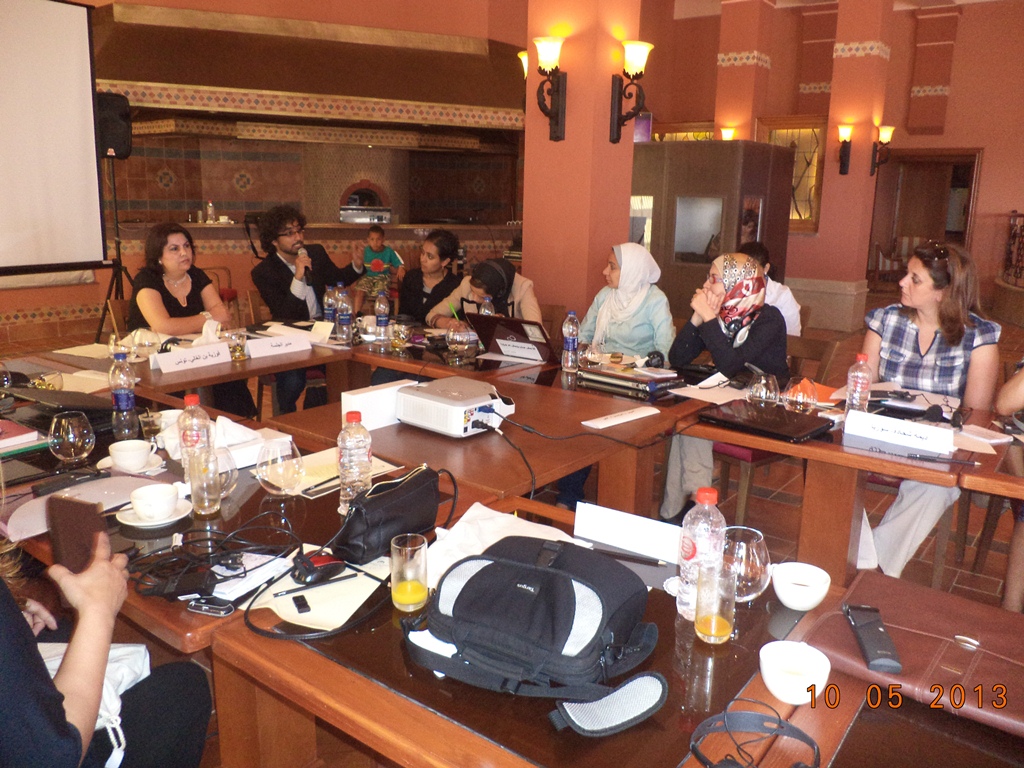
مدينة الغردقة، مصر.


صورة أثناء حديثي عن حملة “الجدران تتذكر وجوههم” وعلاقة فن الجرافيتي بـممارسة المواطنة،في مؤتمر المواطنة الذي أقامه “معهد السلام الدولي” في مدينة الغردقة، مصر9-10 مايو 2013. تظهر على يساري العزيزة الرائعة أمل الأشطل، والودودتين بسنت موسى و رنا، والفنانة الجرافيتية رضوى من مصر،وديمه من سوريا وعلى يميني تظهر مديرة الجلسة من تونس، والتقطت الصورة الدكتورة سعاد عطاء التي لم أشعر في وجودها بالغربة.

???????????????????????????????

حملة “الجدران تتذكر وجوههم” تبنت قضية وطنية وإنسانية حساسة وهامة وحققت النجاح

logo

الفنان مراد سبيع لــ”فنون الثورة

حملة “الجدران تتذكر وجوههم” تبنت قضية وطنية وإنسانية حساسة وهامة وحققت النجاح

الأحد21 إبريل 2013

لقاء/ ياسر الشوافي 

> الفن رسالة هادفة لخدمة الإنسانية والمجتمع والأوطان بشكل عام في كل مكان وزمان إلى جانب ما يحمله من أهداف ومضامين إنسانية سامية وراقية في أجندته الأخرى.. وفي بلادنا كان الفن بمختلف مشاربه يحمل نفس الرسالة والأهداف الوطنية والإنسانية الاجتماعية ويناقش هموم الناس وقضاياهم ويخدم الوطن والشعب ويقدم رسالته القوية.. قبل أن تدخل عليه الظواهر السلبية في الأعوام الأخيرة للأسف الشديد والتي غيرت نظرة الجميع للفن حالياً.
وهناك القليل من الفنانين اليمنيين بمختلف فنونهم لا يزالون متمسكين بهذا المبدأ والهدف السامي والنبيل للفن ويذكرنا بين الحين والأخر أن هذا النوع من الفن اليمني ومبدعيه مايزالون متواجدين لخدمة وطنهم ومجتمعهم اليمني الكبير ومن هؤلاء مجموعة من الفنانين التشكيليين المبدعين الذين ظهروا بقوة مع الثورة الشبابية “ثورة التغيير” وانتشروا في ساحاتها المختلفة بكل المحافظات ليشاركوا في دعم مسيرة هذه الثورة ومبادئها العظيمة.. وبرزوا أكثر من خلال الحملة الفنية الرائعة التي قادوها العام الماضي تحت عنوان “لون شارعك” وحققت النجاح في صنعاء وتعز وإب وغيرها من المدن اليمنية.13-04-20-804330147
ثم تلتها بعد ذلك الحملة الفنية الإنسانية الرائعة “الجدران تتذكر وجوهههم” والتي تناقش هامة وكبيرة في حياة اليمنيين وهي قضية المخفيين قسرياً طيلة العقود الماضية وحتى اليوم وهي حملة كبيرة شارك فيها العشرات من الرسامين الذين الذين انتشروا في شوارع العاصمة وعدد من المدن الأخرى يرسمون عشرات البورتريهات الوجوه على جدران الشوارع وللمزيد للتسليط الضوء حول هذا الموضوع التقت فنون الثورة بالفنان المبدع مراد سبيع .. قائد هذه الحملة الفنية الرائعة فإلى السطور التالية.

Continue reading “حملة “الجدران تتذكر وجوههم” تبنت قضية وطنية وإنسانية حساسة وهامة وحققت النجاح”