Di Tengah Konflik Perang Yaman, Duo Street Artist Serukan Perdamaian\ On the Indonesian website “detik HOT”


Di Tengah Konflik Perang Yaman, Duo Street Artist Serukan Perdamaian

Rabu, 29 Mar 2017 10:31 WIB  ·   Tia Agnes – detikHOT

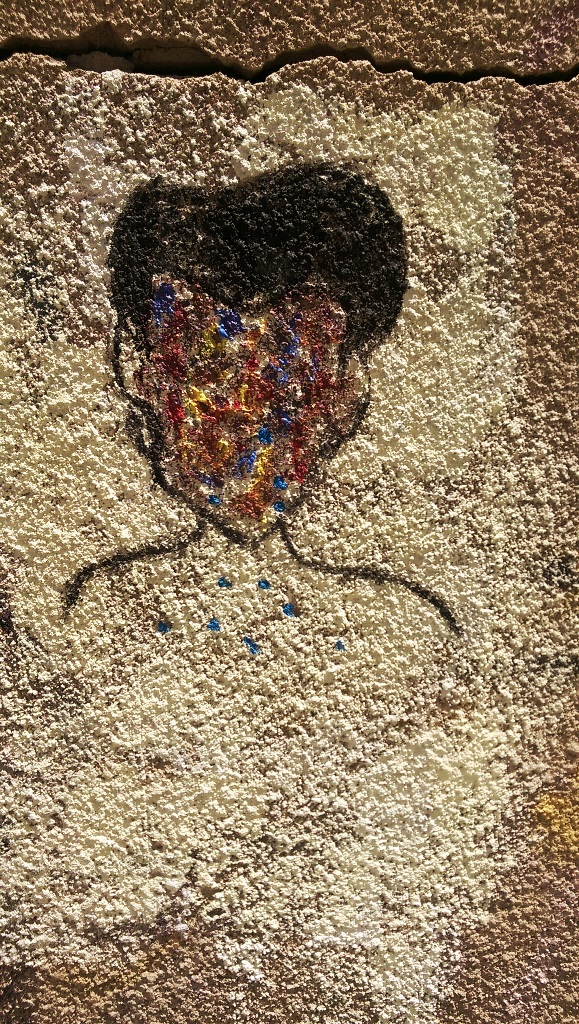
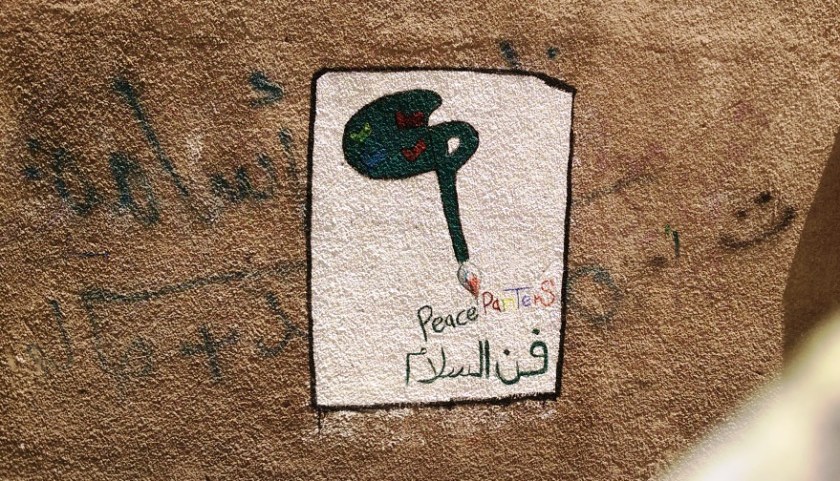
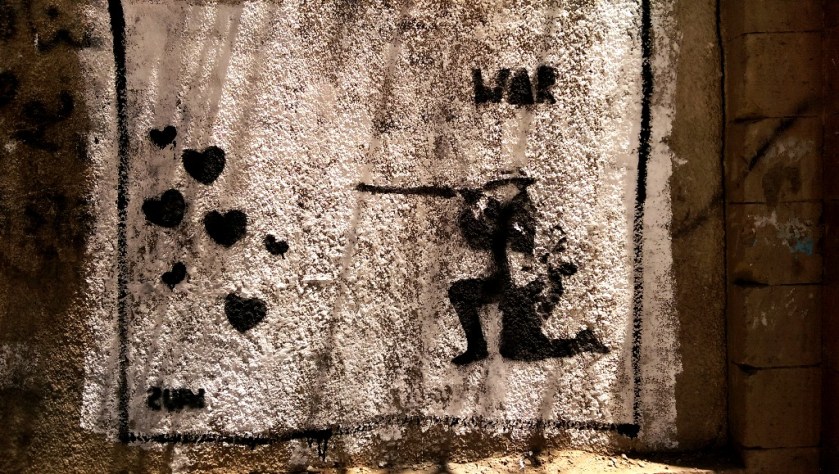
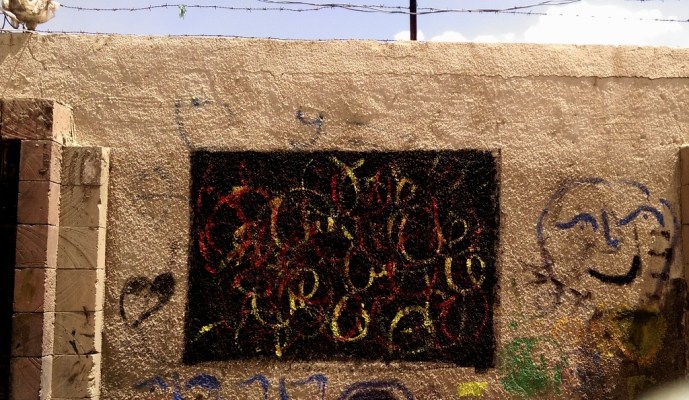
Jakarta – Perang saudara Yaman terus berkecamuk sejak Maret 2015 silam. Kondisi konflik berkepanjangan, membuat street artist Murad Subay yang dikenal sebagai Banksy-nya Yaman untuk menciptakan festival street art antara Yaman dan Inggris.

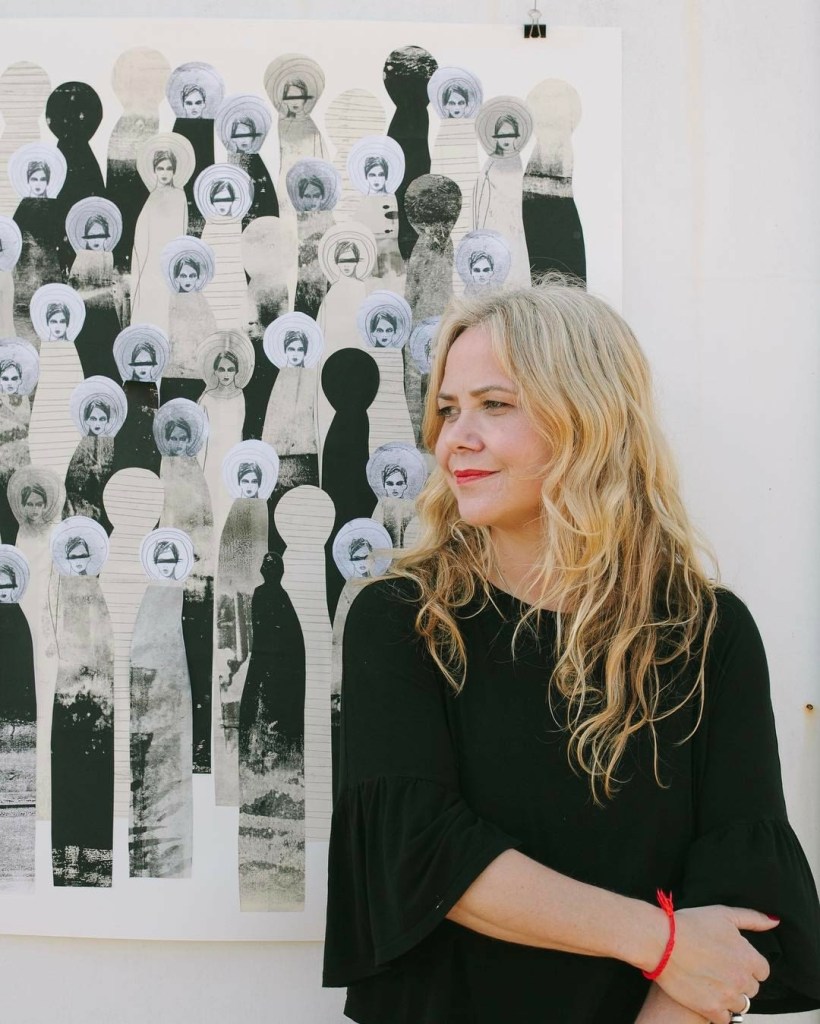
Dia menggandeng seniman Inggris bernama Lisa-Marie Gibbs untuk membuat peristiwa seni jalanan yang bersejarah. Sekaligus tak terlupakan di dua negara tersebut.

“Pesan dari festival ini adalah membawa pesan perdamaian. Kami sama-sama memprotes dengan cara yang artsy dan tidak membayakan siapapun,” tutur Murad Subay, dikutip dari BBC, Rabu (29/3/2017).

Simak: Gelar Pameran Bersama, Aliansyah Caniago dan Boo Ji Hyun Eksplorasi Jakarta

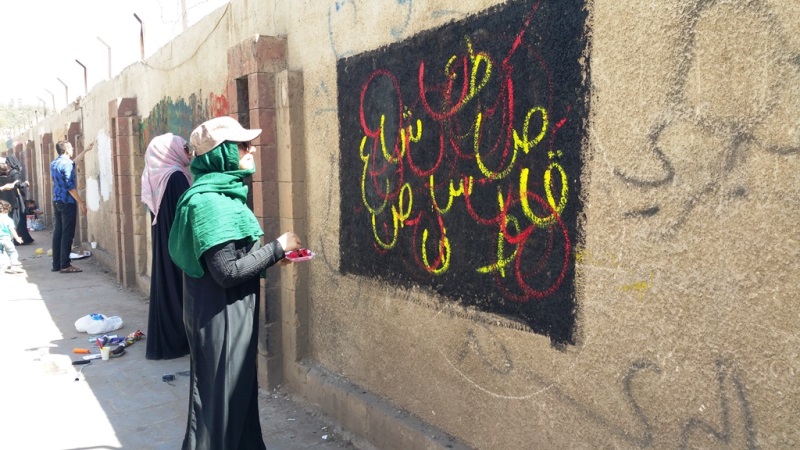
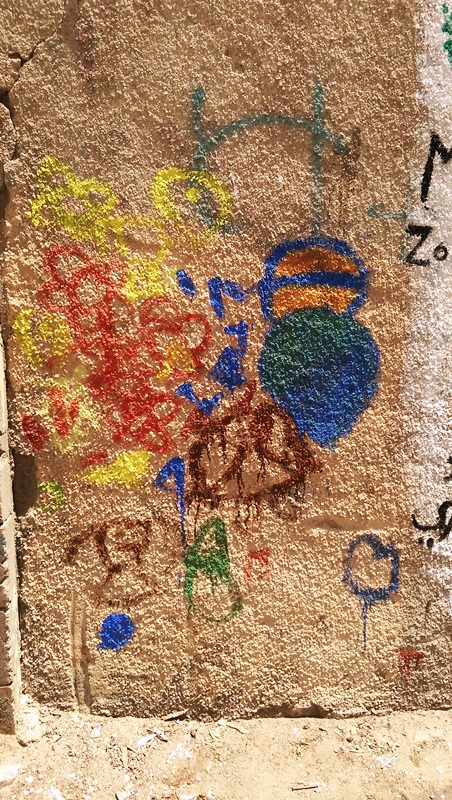
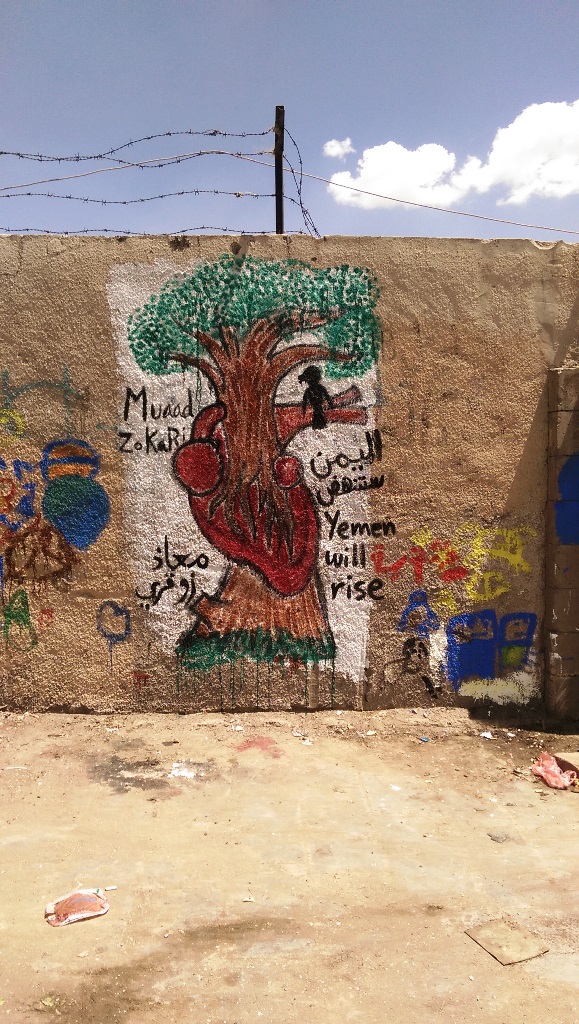
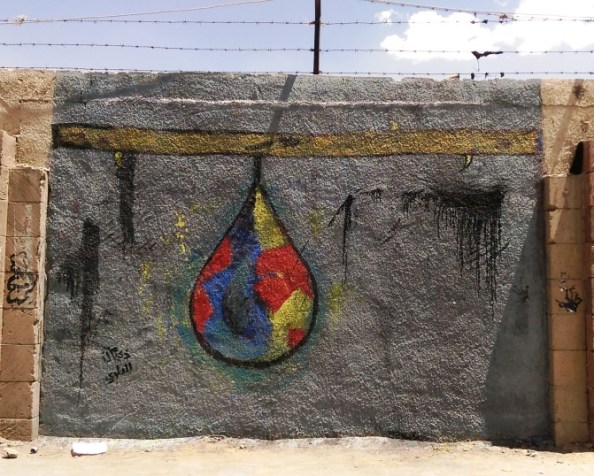
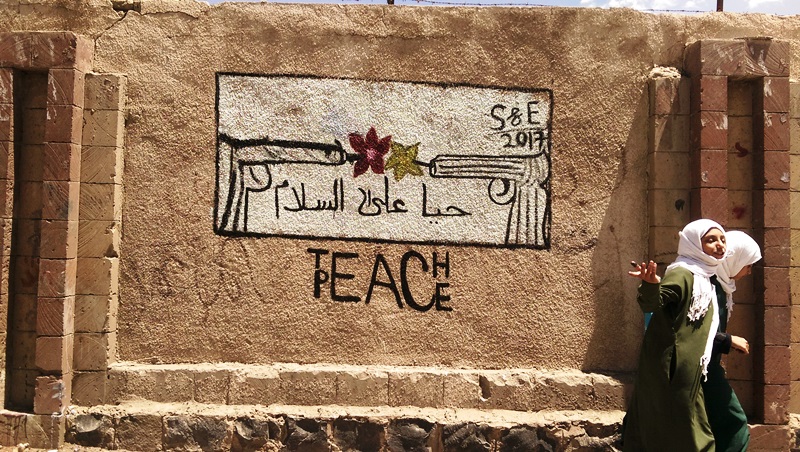
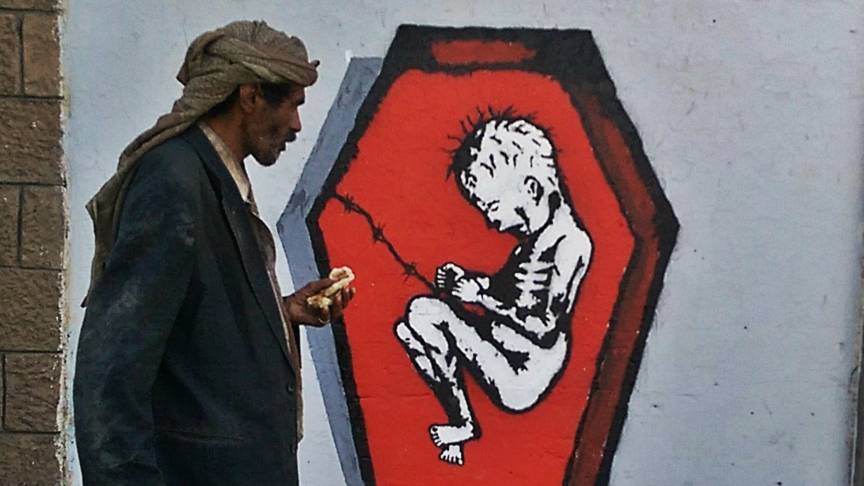
Di Tengah Konflik Perang Yaman, Duo <i>Street Artist</i> Serukan Perdamaian Foto: Istimewa


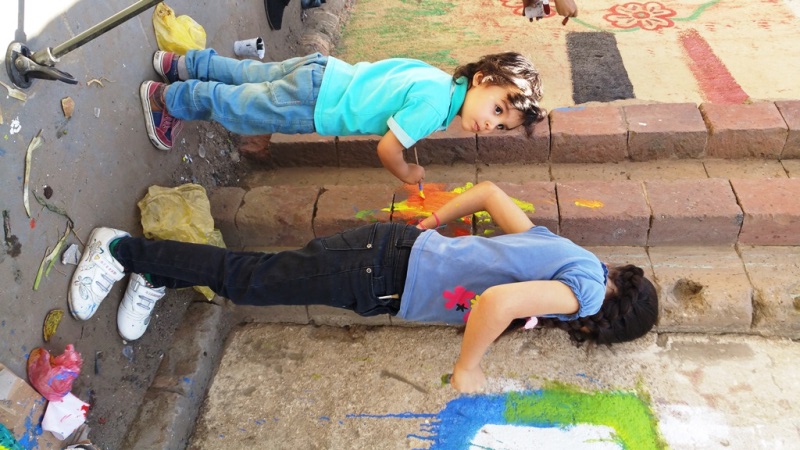
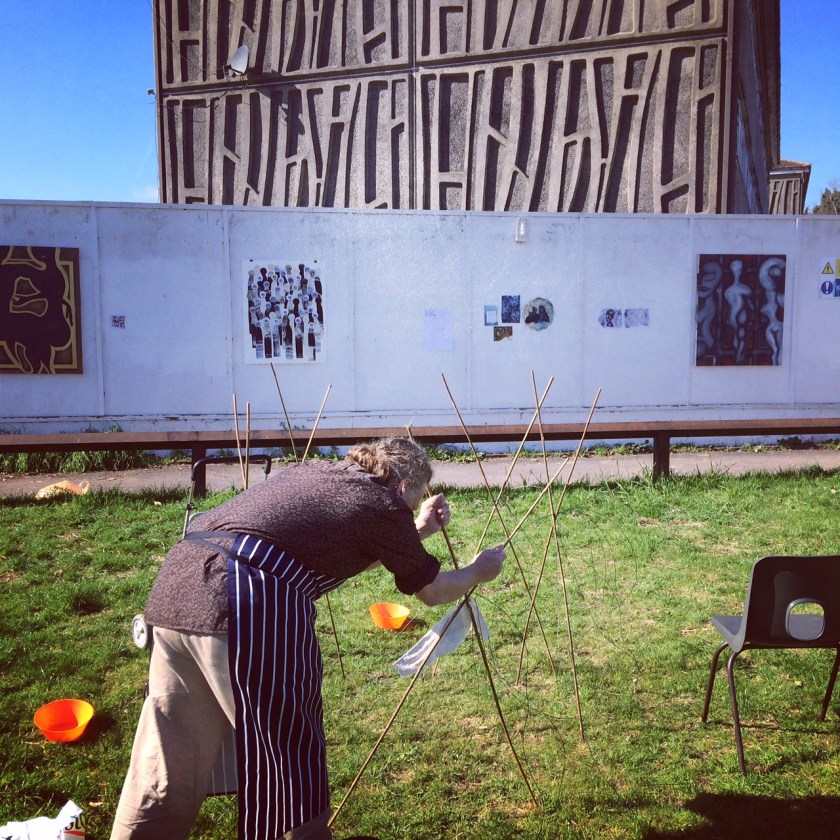
Di Inggris, Lisa-Marie Gibbs membuat festival serupa. Dia mengajak anak-anak kecil dan warga sipil untuk menggambar dan membawa pesan perdamaian terhadap konflik berkepanjangan Yaman.

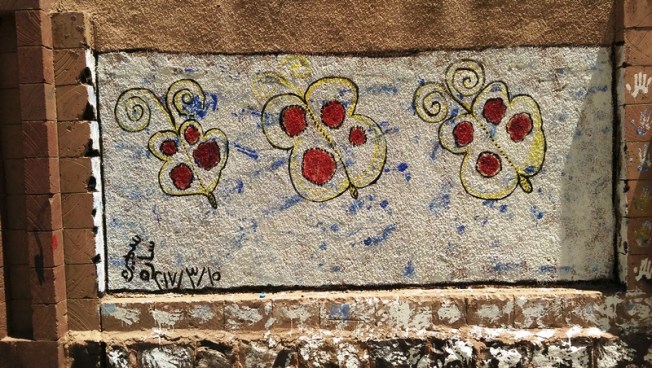
“Murad Subay mengundang saya dan kami membuat kolaborasi dua negara ini. Simbol kupu-kupu kami gunakan untuk menjelaskan aksi kecil bisa berdampak luar biasa bagi sejarah bangsa Yaman. Baik di Inggris dan Sanaa Yaman kami membawa pesan yang sama,” tutur Lisa-Marie.

Lewat seni pula, lanjut dia, seni bisa membawa pesan yang sulit tersampaikan menjadi lebih muda. “Kami berharap orang-orang bisa menerima pesan ini dan menyebarluaskannya pada masyarakat,” pungkasnya lagi.

Peace murals on walls of Sanaa university\ Video report on “AP”

Published on Mar 20, 2017

(15 Mar 2017) LEADIN:
A group of young Yemenis are tackling their feelings on the war through street art.
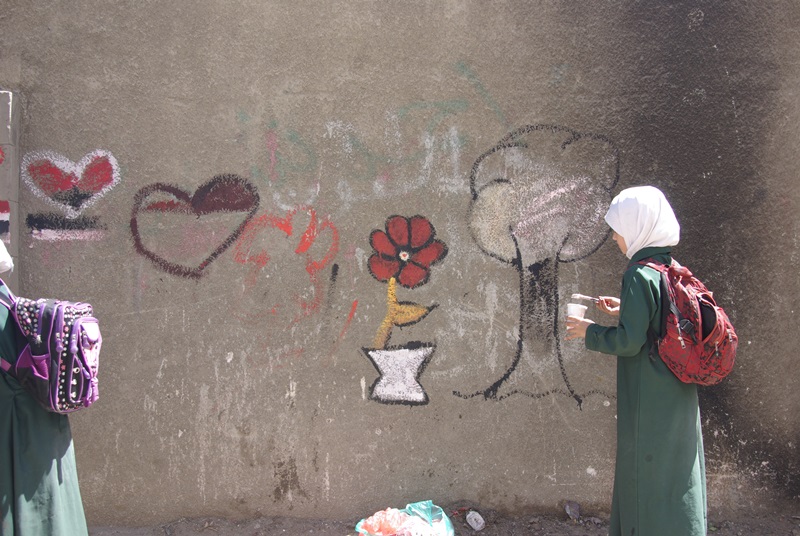
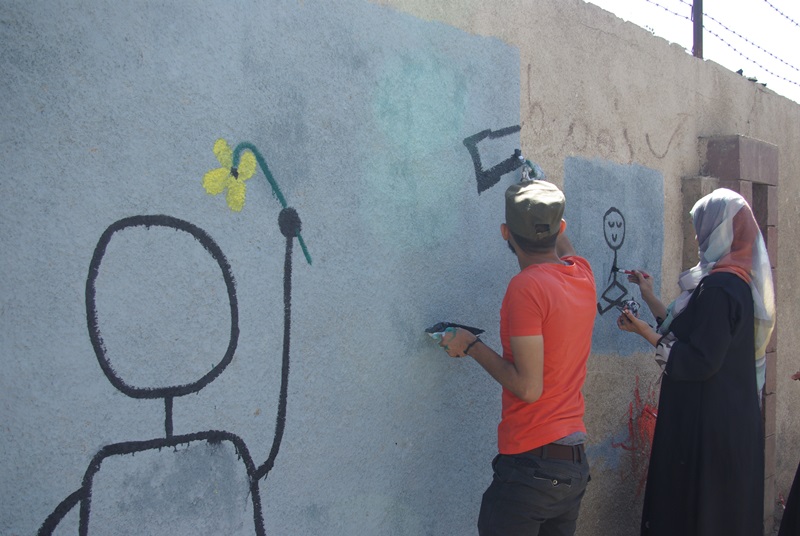
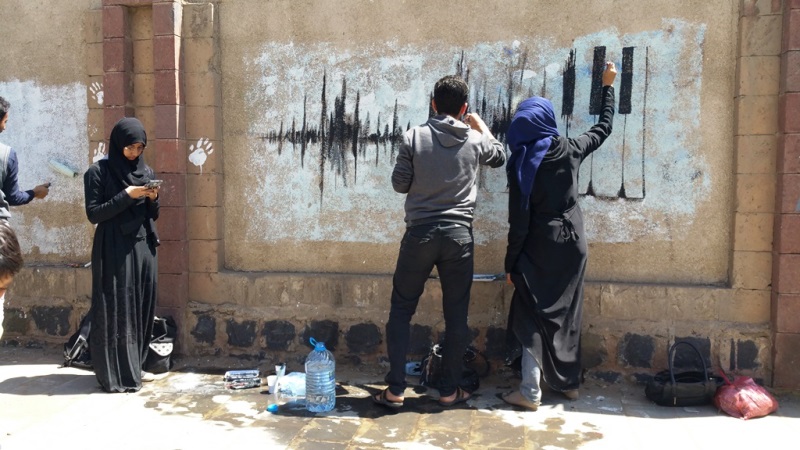
They painted the walls of a university with messages of peace in the capital Sanaa.
STORYLINE:
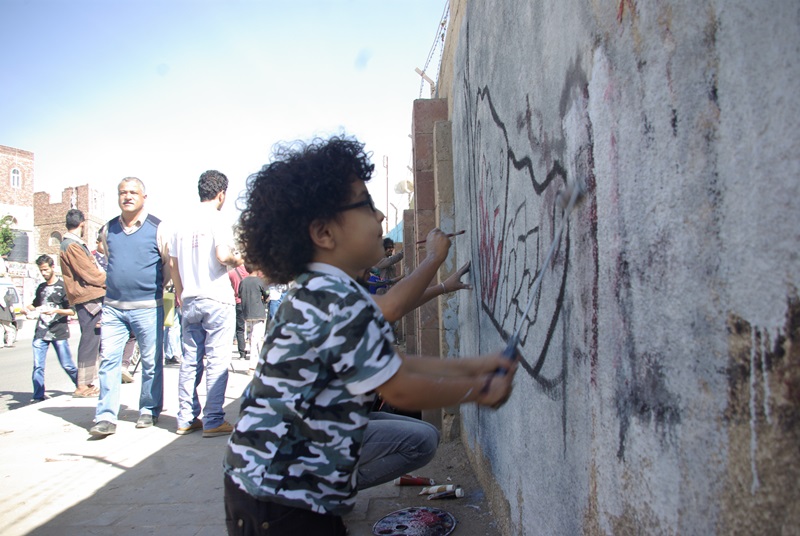
Sitting on the pavement this young man prepares his weapon against the civil war in Yemen.
But it’s not a rifle… it’s a tin of paint.
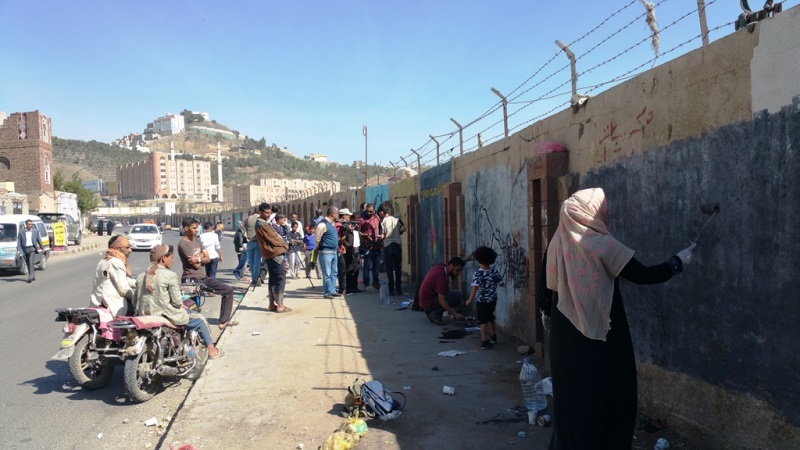
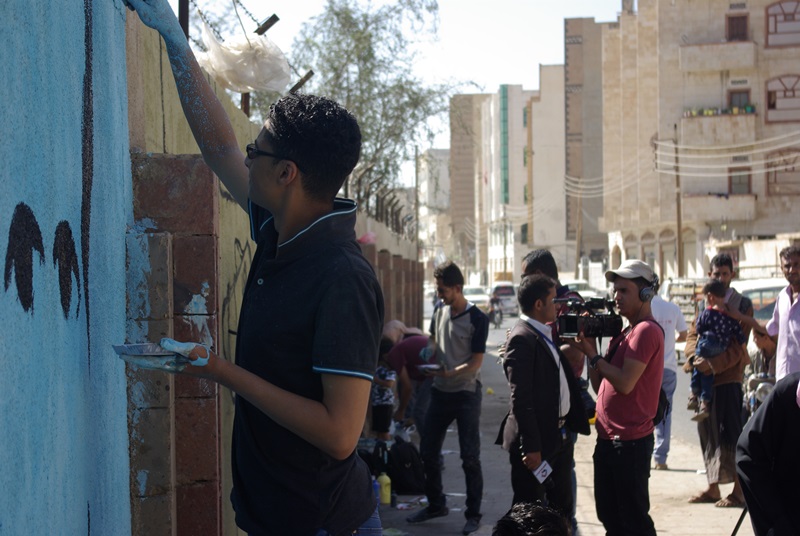
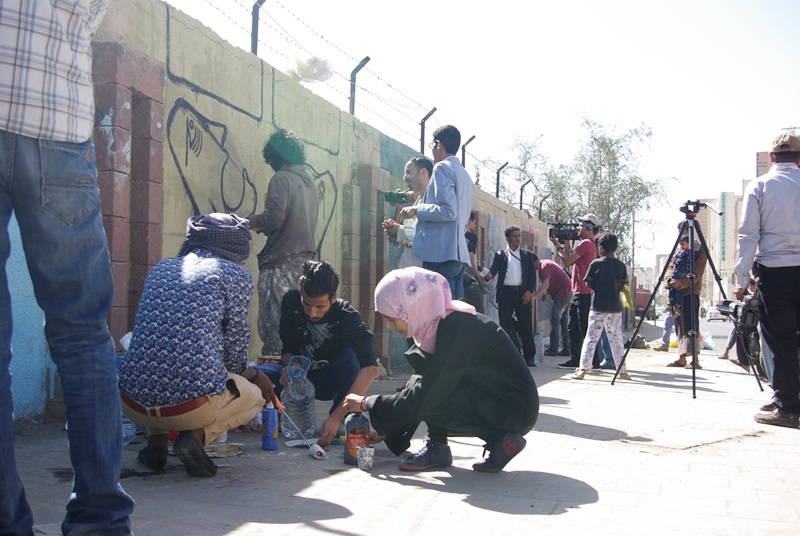
He’s one of dozens of Yemeni art lovers who’ve gathered in the capital Sanaa to join a street art campaign against Yemen’s devastating two-year war.
The event, dubbed “Open Day for Art”, is held every year on 15 March and is organised by street artist and political activist Murad Subai:
“Of course it is a message for peace and to renounce the political situation we are living in and also the war, hatred and the like, and for diversity. And it is also a message from the Yemeni society to politicians to find a quick solution to this catastrophic situation we are in,” he says.
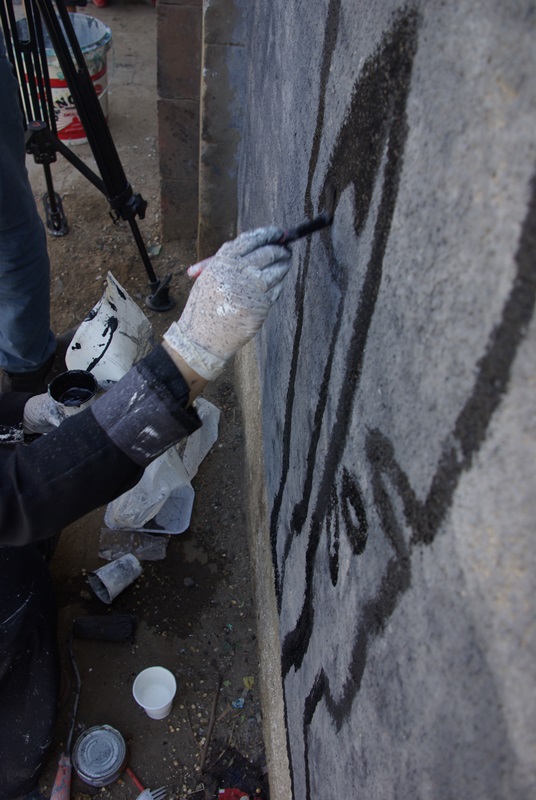
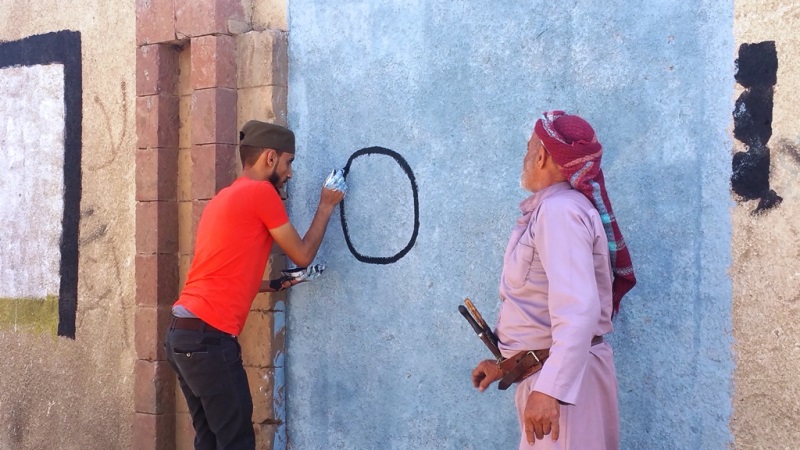
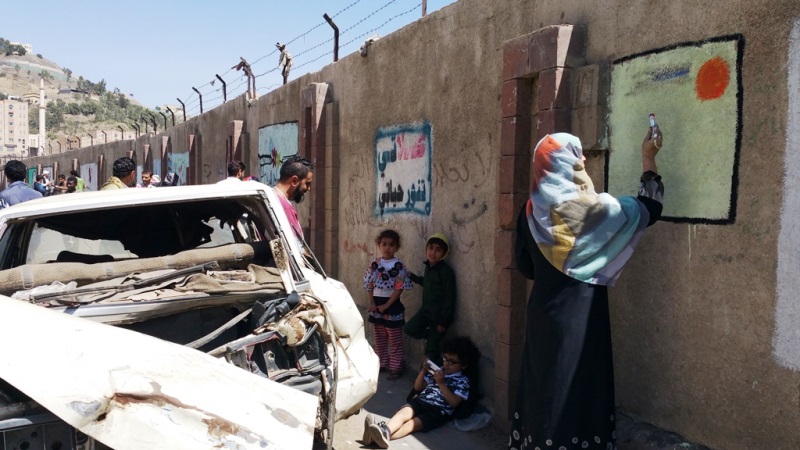
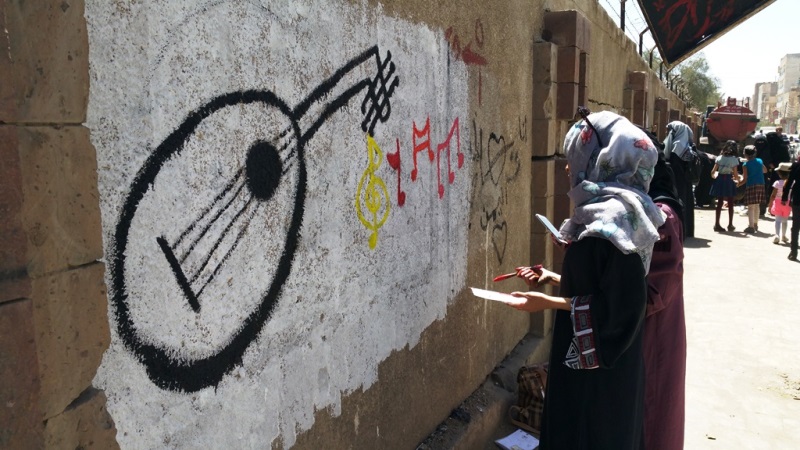
Participants gather with paint and brushes in central Yemen to cover the walls of a university with messages of peace.
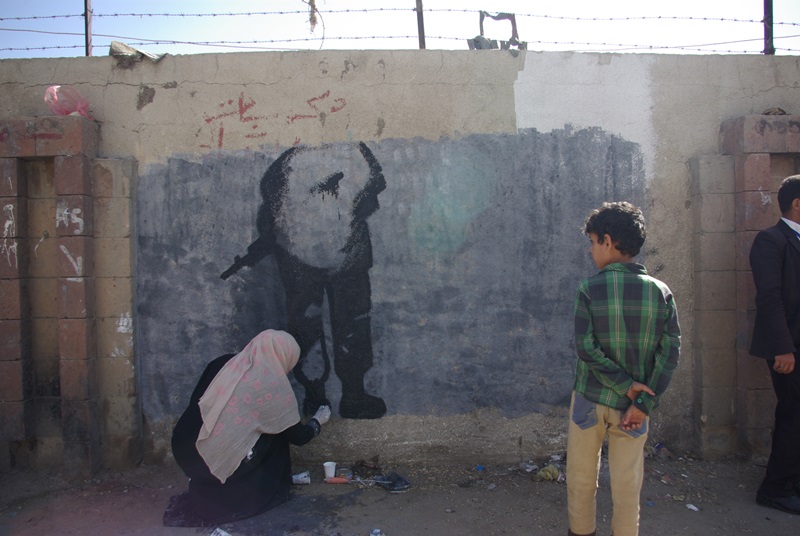
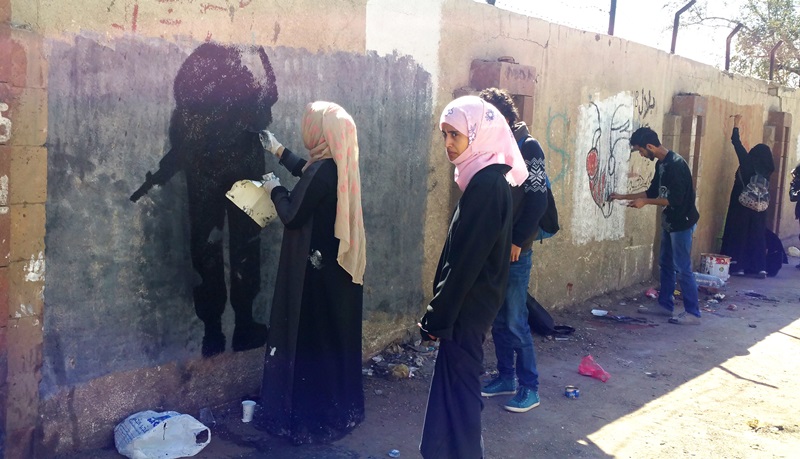
One artist, Haifa Subai, explains the meaning behind her painting, titled “Departing Soldiers”.
“This painting symbolises the call for peace, the end of the war and the ongoing conflict for years in Yemen.”
Another, a graphic designer called Tamam Al-Shibani, underlines the power of painting:
“Art is a great message in which we challenge political and inflammatory rhetoric calling for murder and political conflict,” he says.
The war in Yemen began in 2015 when a Saudi-led coalition waged a devastating air campaign targeting Houthi rebels who seized control of the capital.
The conflict has pushed one of the Arab world’s poorest countries to the brink of famine.

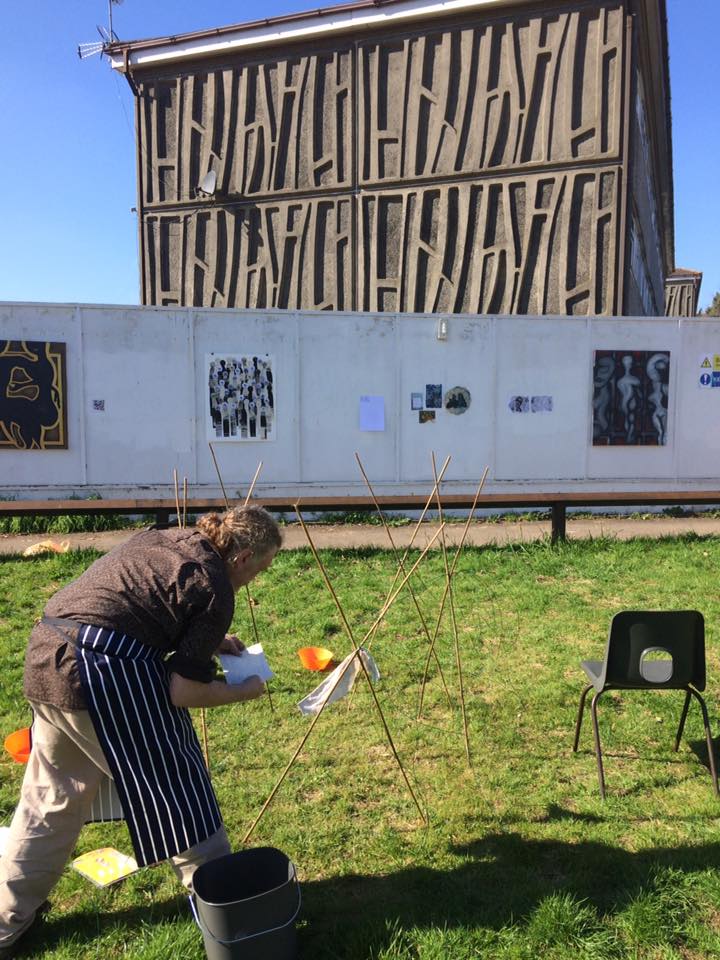
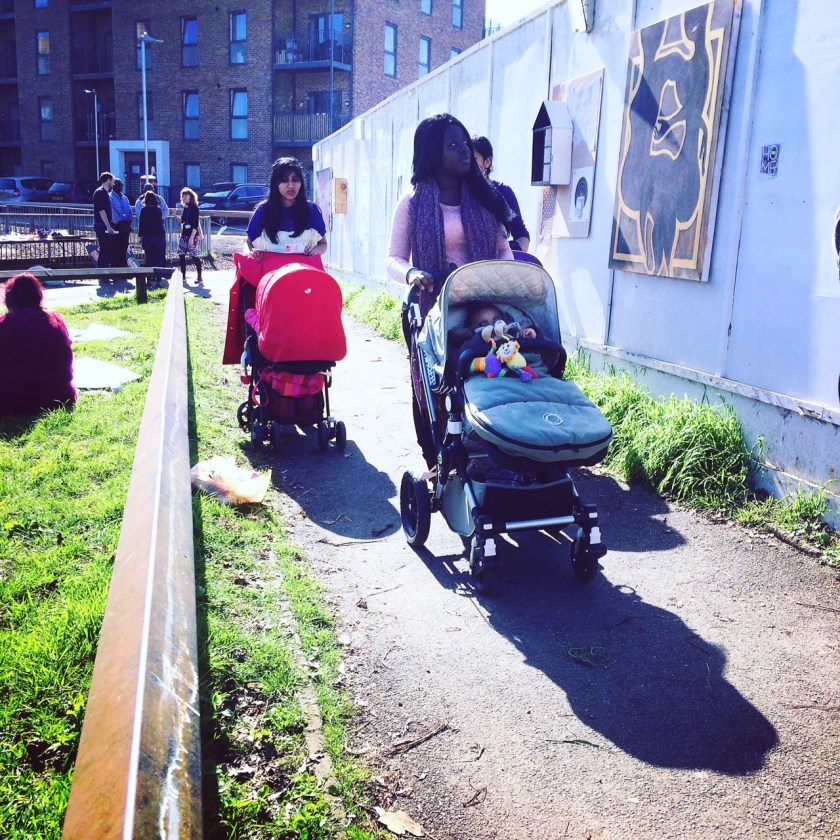
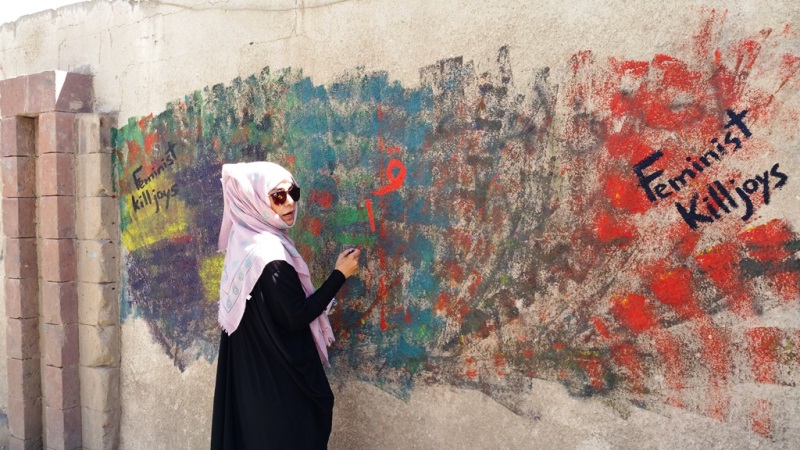
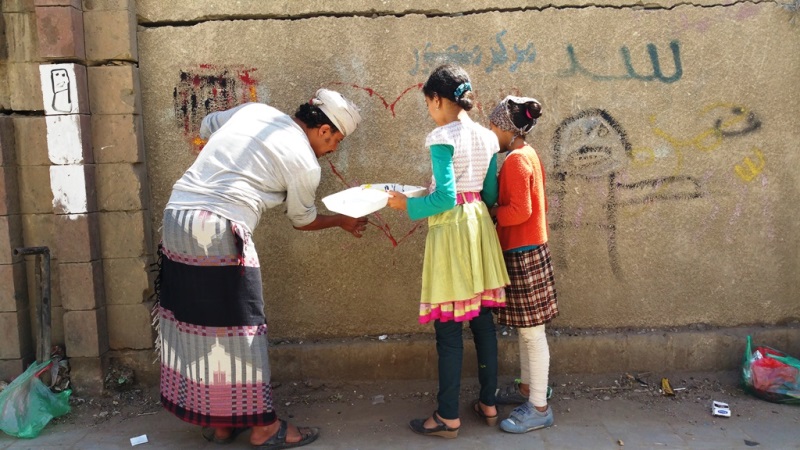
Photos of the event “Open Day of Art” Reading, UK. March 15, 2017

Photos of the event “Open Day of Art” Reading, UK. March 15, 2017

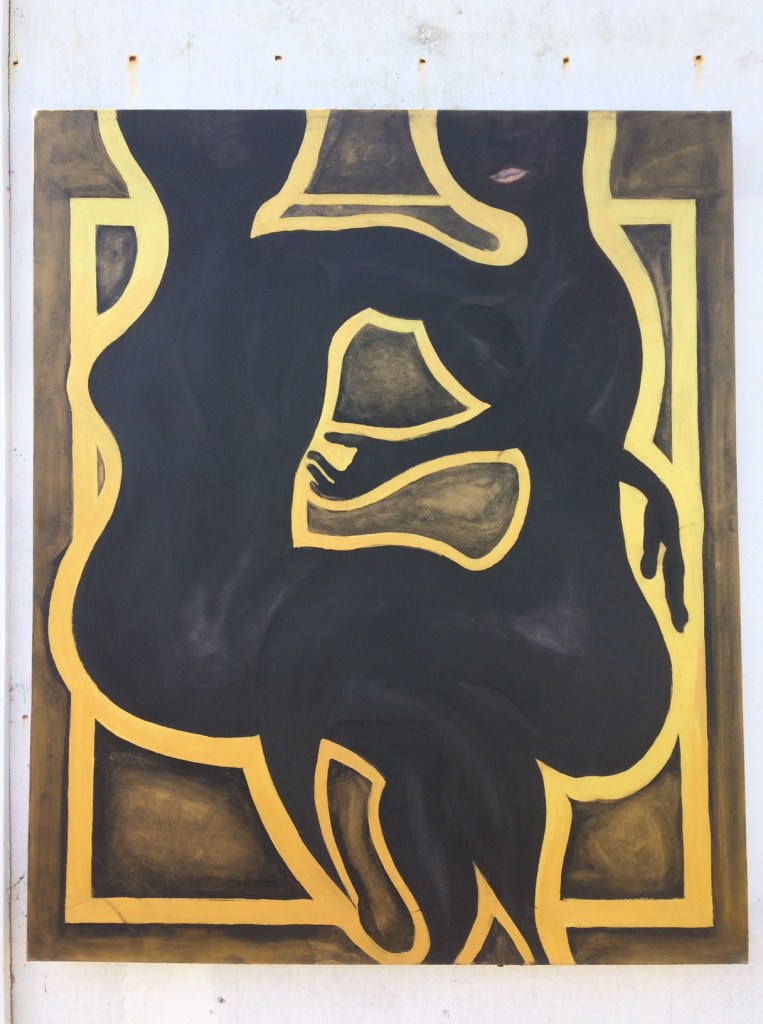
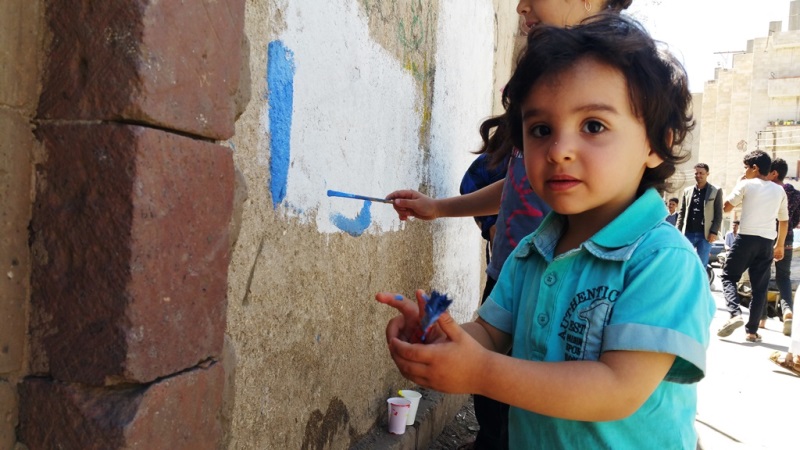
Photos of the artworks and activities of the event “Open Day of Art”, where the beautiful people from the city of Reading, UK, joined the amazing artist Lisa-Mari Gibbs in reviving the event. March 15, 2017.

صور لنشاط الرسم من “اليوم المفتوح للفن” 15 مارس 2017‎.

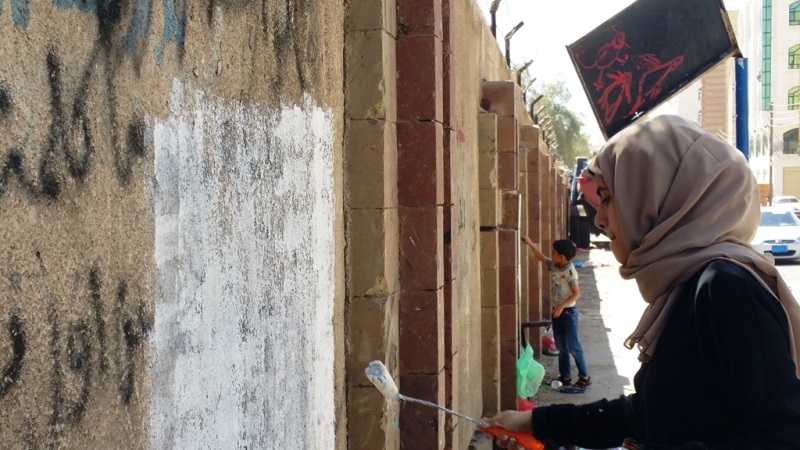
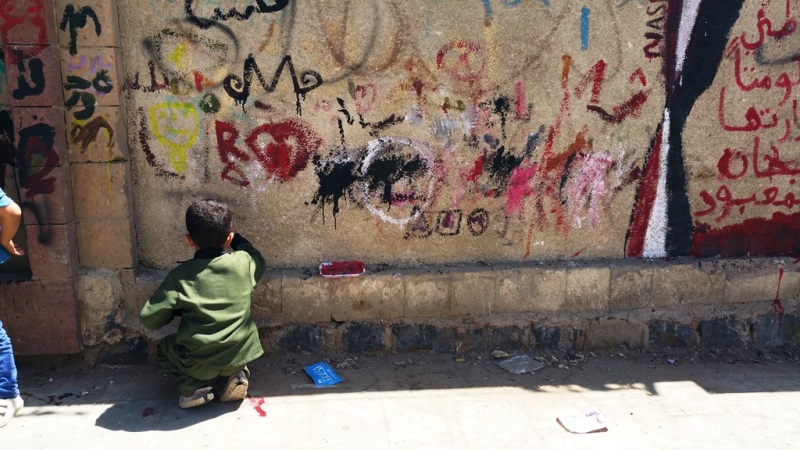
صور لنشاط الرسم على الجدران بمشاركة واسعة من الناس كبار وصغار. ضمن الحدث السنوي للرسم على الجدران “اليوم المفتوح للفن”، على الجدار الجنوبي لجامعة صنعاء الجديدة، في الشارع المتفرع من شارع الرباط، بالقرب من قسم 14 اكتوبر. 15 مارس 2017.

يوم مميز كان روحه الناس. إمتنان بالغ لكل من أنجح هذا الحدث الفني

.
تصوير: ذي يزن العلوي  و نجيب سبيع

?
?
?
?
?
?
?
?
?
?
?

?
?

?
?
?

?

?
?

Photos of the murals of the annual event “Open Day of Art” March 15, 2017

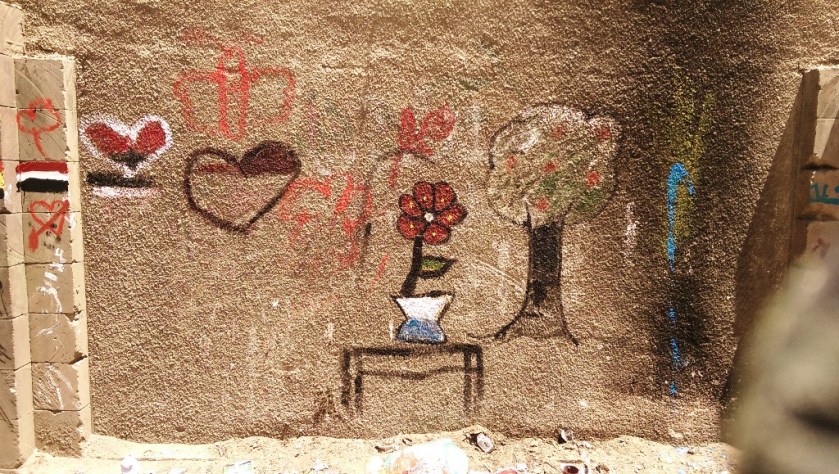
خذوا جولة بسيطة في هذا الألبوم لتشاهدوا ما عبر به اليمنيون أطفال وكبار في هذا المعرض المفتوح. لقد رسموا لأجل الحياة. كان هناك العديد ممن لم يستطيعوا المشاركة على الرغم من رغبتهم بالرسم وذلك بسبب عدم كفاية الألوان والأدوات بسبب المشاركة الواسعة، لكن هذا لم يمنعهم من وضع بعض اللمسات الجميلة.
هناك من علق عن سعادته برؤية الناس تستخدم الألوان بدل السلاح.
لقد سئم هذا الشعب كل هذا الدمار والحروب.

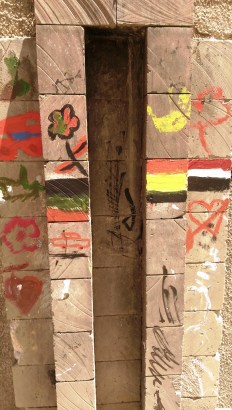
صور جداريات المشاركين والمشاركات بالرسم في الحدث السنوي “اليوم المفتوح للفن”، على جدار سور جامعة صنعاء الجديدة الجنوبي، في الشارع المتفرع من شارع الرباط بالقرب من قسم شرطة 14 أكتوبر.
15 مارس 2017
ــــــــــــــ

Feel free to take a small tour in this album about what Yemenis children and youngs done and expressed in this open exhibiton.. They have painted for life. It is unfortunate that the colors and tools were not sufficient. There have been many were not able to participate in spite of their desire because of the inadequacy of colors and tools dut to the wide participated, but this did not stop them from putting some lovely touches.
Someone commented and expressed his delight to see people use the colors instead of weapons.
The people are exhausted of all this destruction and war.

Photos for the murals painted by participants in the annual event #Open_Day_of_Art, on the southern wall of the new Sanaa University, branching from Rabat street near the police station October 14th street.
March 15, 2017

Yemen conflict all but ignored by the West\ On “DW”

dw

Yemen conflict all but ignored by the West

Atrocities are being committed against an innocent Yemeni population on a scale as serious as Syria and Iraq. But why doesn’t this story get as much media attention as those conflicts? Gouri Sharma reports.

When the UN children’s rights organization UNICEF recently released a report stating that at least one child dies every 10 minutes in Yemen, the expectation was that the news would be picked up by international news outlets. But barring a few exceptions, including Al Jazeera and DW, the news was not carried by much of the global media prominently, and some not at all.


In its report, the humanitarian organization estimated that more than 400,000 Yemeni children are at risk of starvation, and a further 2.2 million are in need of urgent care. How could it be that statistics this alarming, the result of a war involving regional superpowers with the backing of the US and UK, does not make headline news?

But people close to the story say this example is just a reflection of how the war in Yemen is covered by the global media.

Yemen and the western media

It’s not that the conflict isn’t covered, but when it is, news outlets tend to focus on the ‘Sunni-majority Saudi Arabia versus the Shia Iran proxy war’ narrative which overlooks the country’s deepening humanitarian crisis.

Yemen, a country of 24 million people, has endured political strife for decades, but the situation worsened in March 2015 when a Saudi-led coalition began airstrikes with the aim of reinstating President Abdrabbuh Mansour Hadi, who had been ousted by the Houthi rebel group. The Houthis are said to be backed by Saudi Arabia’s regional political foe, Iran.

Since the bombing began, the UN estimates that more than 10,000 innocent people have been killed, 69 percent of the country is in need of humanitarian assistance, and three million people have been forced to flee their homes.

Wie die Medien über den Krieg im Yemen berichten (Murad Subay) Although atrocities are committed on a daily basis, the conflict in Yemen seems to have dropped off the radar

It’s a complex political situation and those closest to it – the local journalists – have been forced to stop telling the story because of the dangers they’ve been facing. The Committee to Protect Journalists, a New York-based press freedom watchdog, has recorded the deaths of at least six journalists caught in the crossfire since the start of the Saudi campaign. In its latest report, the Yemeni Journalist Syndicate said that more than 100 press violations were committed in the first six months of 2016, including 10 cases of attempted murder, 24 abductions and disappearances, and 12 cases of assaults on journalists and their offices. The situation for foreign journalists isn’t any better, amid reports that those who get access can be subject to harassment and kidnappings.

Afrah Nasser, an independent Yemeni journalist who is based in Sweden, told DW: “When western news outlets cover Yemen it’s often ‘parachute journalism.’ This is mainly because it’s been hard to access Yemen and if you want to get in you have to get permission from the Saudis and the Houthis. For foreign journalists, it’s become hell to enter or leave the country and a trip that used to take a few hours might now take days or even weeks.”

But Iraq and Syria, which has ranked as the world’s most dangerous place for journalists for at least two years in a row, are considered more difficult for journalists to report from than Yemen, yet both countries receive much more media coverage.

Syria, Iraq more ‘newsworthy’

Yemeni activists and journalists point to one other major factor as to why the country is kept lower down on news agendas. Many of the people attempting to get to Europe are from Syria and Iraq so western news audiences are more affected by the what’s happening in those countries than what’s happening in Yemen – news editors may not deem the war newsworthy enough for their audiences.

Watch video 05:27

Yemen’s forgotten war

“There isn’t a direct or immediate threat coming to western countries from Yemen,” Baraa Shiban, a London-based Yemeni human rights activist, tells DW. “There are no ‘waves’ of Yemeni refugees crossing the Mediterranean because it’s too far and if there are refugees they remain few in numbers. This is also related to the threat western countries feel they are facing. Dealing with the ‘Islamic State’ (IS) tops the list for western politicians. IS has claimed attacks inside Europe and such attacks could happen again. Al-Qaeda in the Arabian Peninsula has been busy hitting inside Yemen – recently killing soldiers in Aden – but it’s limited in its ability to hit in Europe or the US.”

Coverage could also be affected by who is involved in Yemen – and who isn’t. “Any journalist or researcher who tries to dig deeper into the situation will see it’s a local conflict, especially when we talk about specific places like Taiz, a city in the south which has been living under siege for the past year and a half by forces loyal to the former president, along with the Houthi rebels who come from the north. If you compare that with the situation in Aleppo, you have Russia, Iran and Hezbollah. That’s a more interesting story with international and regional powers,” says Shiban.

The biggest known player involved in Yemen is Saudi Arabia, who has been carrying out its military campaign with arms brought from the US and Britain. In December, the US announced it would be halting an arms deal worth $350 million to the Kingdom amid concerns of the coalition’s indiscriminate bombing inside the country. But up until that point, President Obama had reportedly sold arms to the tune of $115 billion (107 billion euros) to Riyadh during his eight years in office – more than any US administration in history.

Wie die Medien über den Krieg im Yemen berichten (Murad Subay) Many local observers accuse western media and western governments of double standards when it comes to Yemen

Double standards

The UK, meanwhile, approved 3.3 billion pounds (3.7 billion euros) worth of arms to the Kingdom in the first 12 months of its bombardment of Yemen. So it may not make for good business sense for the corporate media in the US and the British mainstream media to cover a war and the negative impact it’s having on civilian life when their governments are making huge profits from it.

“If there is one country in the world that has the most gross double-standards, it’s the UK. As long as the Saudis are their ally, they can overlook any of atrocities committed by their friend. Yemenis’ blood means nothing when Saudi’s cash is on the table and if you’re a foreign journalist, some big media outlets won’t buy your story because they don’t want to annoy the Saudis,” says Nasser.

But amidst all the reasoning, the facts remain. Atrocities are still being committed against innocent people on a daily basis and a humanitarian crisis is worsening as millions of people lack basic food and water supplies.

Murad Subay, an internationally renowned Yemeni street artist who has been using his art to call for peace, says that the situation in Syria should serve as a warning. “What happened in Syria is an example of where the world ignored the crisis until it turned into catastrophic war. We as citizens of the world have a responsibility to pressure countries to stop engaging in Yemen’s war and to stop selling the arms that fuel it. People suffering in faraway places doesn’t make the rest of the world immune from it. People everywhere should care because it is the right thing to do, because what’s happening is wrong and inhumane.”

Read More>>

Continue reading “Yemen conflict all but ignored by the West\ On “DW””

‘Banksy’ van Jemen: met graffiti wil ik kogelgaten in muren verdoezelen

untitled

‘Banksy’ van Jemen: met graffiti wil ik kogelgaten in muren verdoezelen

Zondag, 10:00
Murad Subay
Geschreven door
Carmen Dorlo

redacteur NOS Online

Als je op straat loopt in Sanaa, de hoofdstad van Jemen, kun je niet om de kunstwerken van de ‘Banksy van Jemen’ heen. De gebouwen zijn misschien kapot door alle bombardementen, maar ze zijn niet lelijk: op de gevels staan nog de graffitikunstwerken van Murad Subay.

“Toen in 2011 de oorlog begon, brak dat vele harten”, vertelt Murad aan de NOS. “Maar niet alleen harten gingen kapot, ook huizen en straten. Op dat moment besloot ik de straat op te gaan en graffitikunst te gaan maken. Ik wilde het lelijke van de oorlog verdoezelen. De kogelgaten in de muur laten verdwijnen. Dat lukte me door de graffiti.”

In Jemen woedt al jaren een burgeroorlog. De NOS heeft contact met inwoners van het land, om een beeld te krijgen van de situatie in het land. Zij vertellen hun verhaal via WhatsApp, e-mail en Skype. Deze week spreken we met Murad Subay. Eerdere verhalen kwamen van Abdullah uit al-Mukalla, Fadia uit Taiz en Layla uit Sanaa.

Muhajed, Fadia en Murad in Jemen NOS

Sommige werken van Murad zijn puur artistiek, andere hebben een politieke lading. De artiest nodigt inwoners van Sanaa ook uit om te helpen bij de kunstwerken. “Zo kunnen de mensen hun stem laten horen en hun mening geven over de oorlog. Kunst is niet alleen entertainment, het kan voor zoveel meer dingen worden gebruikt. Kunst geeft een stem en zorgt voor communicatie, zeker als het zo duidelijk op straat te zien is.”

Tekenen

De 29-jarige Murad woont met zijn ouders, drie zussen en vier broers in een huis in Sanaa. Hij heeft Engels gestudeerd en haalde in 2012 zijn diploma.

“Ik begon met tekenen toen ik 13 was. Mijn ouders moedigden me aan en daardoor kon ik mezelf veel dingen leren. In 2012 maakte ik mijn eerste graffitiwerk en dat resulteerde in een campagne waardoor ik werken in heel Sanaa mocht maken.”

Dirty Legacy: graffitikunst van Murad Subay Murad Subay

De oorlog heeft veel veranderd, gaat hij verder. “Dat heeft zoveel effect op me. Op iedereen.” Murad noemt het tekort aan basisbenodigdheden als elektriciteit en water, en de economische gevolgen van de oorlog.

“Deze dingen hebben veel effect op mij persoonlijk, maar ook op mijn werk. Het is niet meer mogelijk om vrij te reizen in Jemen. Het is soms ook veel te gevaarlijk op straat om de werken te maken.”

De laatste tijd wordt het steeds moeilijker om onze mening te mogen uiten door middel van kunst.

Murad Subay

Murad zorgt altijd dat hij goedkeuring krijgt van de autoriteiten om graffiti te spuiten, maar ook dat gaat nu lastig. “De laatste tijd wordt het steeds moeilijker om onze mening te uiten door middel van kunst. Ook al heb ik toestemming, vrij graffiti spuiten wordt nauwelijks nog toegelaten.”

Death by Hunger and Disease: graffitikunst van Murad Subay Murad Subay

Murad heeft inmiddels zoveel roem in Jemen verworven, dat hij ook wel de ‘Banksy van Jemen’ wordt genoemd. “Banksy is een grote artiest, een genie. Mijn werk lijkt op dat van hem omdat we dezelfde techniek gebruiken. Maar de manier waarop we werken, is anders”, legt Murad uit.

“Ik wil zoveel mogelijk mensen betrekken bij mijn kunst. Als ik een kunstwerk maak en er lopen mensen langs, dan nodig ik ze altijd uit om me te helpen en hun mening te geven. Zo kunnen we een politieke discussie op gang brengen, op een niet-gewelddadige manier.”

Ik hoop dat het nieuwe jaar echt een nieuw jaar wordt. Het afgelopen jaar was zo vermoeiend.

Murad Subay

Na vijf jaar als graffiti-kunstenaar wacht Murad nog steeds op het hoogtepunt. “Ik hoop ook dat ik nog niet mijn mooiste werk heb gemaakt. Ik ben pas op het begin van mijn reis.”

Voor 2017 heeft hij maar één wens: “dat het écht een nieuw jaar wordt.” “Het afgelopen jaar heeft de wereld enorm vermoeid. We zijn er allemaal klaar mee.”

Read More>>
 

The Italian International Competition of Arts “Fax for Peace”\مسابقة الفنون الإيطالية الدولية “فاكس فور بيس”

Fax for Peace Compitation

مسابقة الفنون الإيطالية الدولية “فاكس فور بيس”

سعدت بكوني ضمن قائمة لجنة التحكيم لمسابقة الفنون الإيطالية الدولية “فاكس فور بيس” والتي ستقام في مدينة سلمبيرج الإيطالية، مابين 27 نوفمبر 2016 وحتى 28 فبراير 2017، في نسختها الـ 21.

لجنة التحكيم:

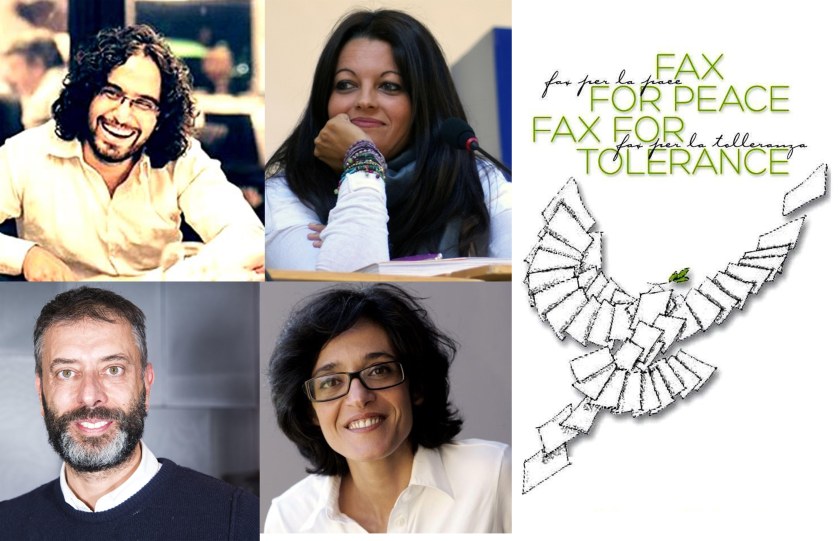
الفنان اليمني: مراد سبيع الصحفية والمراسله الحربية: باربارا شوفللي المخرج السينمائي : ايفان كوترينيو والفيلسوف والكاتبة: ميشيلا مارانو

الباب مفتوح للتنافس حتى موعد 28 فبراير 2017.

للمزيد من المعلومات ستجدونها في الرابط.

The Italian International Competition of Arts

It is my pleasure to be part of the Italian international competition of arts Jury “Fax for Peace”,which will be held in Slempirge city, in its 21st editon.

This year, the competitors will be decreed by the following international jury:

The Yemeni artist\ Murad Subay Journalist and war correspondent\ Barbara Schiavulli Director\ Ivan Cotroneo The philosopher and writer\ Michela Marano.

The competiation is on until Feb,28. 2017.

For more informaion for applying please click the links.

Link>>
More information>>
fax-for-peace-international222-jury


Graffiti artist paints for peace on Yemen’s bloodstained walls\ By: Sana Uqba, on “The New Arab”

The New Arab Logo


Graffiti artist paints for peace on Yemen's bloodstained walls Open in fullscreen

Sana Uqba

Graffiti artist paints for peace on Yemen’s bloodstained walls

Graffiti murals have propped up across walls destroyed by the two-year conflict [Muradsubay.com]

Date of publication: 11 November, 2016

Graffiti artist, Murad Subay believes painting the town red is one way to remind Yemen’s warring factions of the need for peace amid conflict and a two-year political deadlock
Yemen’s two year conflict has plunged the region’s poorest nation into depths of unseen darkness.

While the death toll stands at more than 10,000, a further 3 million have been flung to all corners of the nation and beyond, and more than half of the 22 million population are barely surviving the war.

Like Pandora’s Box, the conflict has unleashed even more fiends to concern Yemen’s otherwise peaceful and care-free civilians.

Hunger, poverty, kidnapping, airstrikes, drone strikes, sectarianism, civil war, recruitment of child soldiers, regional-meddling and government corruption are among the many crises to hit the country once described as ‘Arabia Felix’ – Happy Arabia – but one man has marched towards the frontlines of these battles, armed with nothing but a paintbrush and a graffiti can.

“I believe that art can have important messages,” Murad Subay told The New Arab. “It reaches more people – especially graffiti murals which are seen by hundreds of thousands of people walking by it every day.”

The 29-year-old has used his talents to paint the town red, white and black, since the extraordinary days of the 2011 Arab Spring.

What do child-soldiers dream of?

But among the flags and  the patriotic symbols,  Subay, along with his other  peers, have imprinted his  visions of both despair and  hope along Yemen’s iconic,  old-brick walls.

“People who pass by while  we’re painting praise us,  pray for us and sometimes  even join us in painting,” he  said, noting that men,  women, children the elderly “and even soldiers” have stopped to contribute to the colours seen on the walls of the city.

“They feel like we’re highlighting their concerns and issues by discussing them on the streets.”

The Sanaa-based artist himself has felt the blow of the conflict.

“My brother, a journalist and writer was shot in both legs twice for his satirical pieces against the warring parties,” he said.

“Two of my relatives were killed during the war and my 14-year old cousin was also killed,” he added, noting that he was recruited as a child soldier by one of the armed groups involved in the conflict.

Despite this, Subay remains hopeful and believes his efforts of the past five years have had an impact on society.

Ying and yang

“Even if art is not going to feed the poor or stop the killings, I still feel like its presence in these times is crucial. It is our way of saying we want peace. It is our way of saying there are other alternatives to violence.”

Several attempts have been made to arrive at a peaceful political settlement aimed at ending the conflict since it began in September 2014 and escalated with the Saudi-led coalition intervention in March the following year.

However, the peace talks – though backed by numerous global powers – have failed Yemen’s population time and time again, causing many to lose hope amid the ongoing suffering.

“Hope is all that is left for us now, the war has taken away everything else,” Subay suggests.

“If we to give up on hope, then the whole place will turn into a big grave of people who chose to let go.

“If the political parties fail to see a chance of cooperation and peace, then we’ll keep reminding them. It’s the only way out.”

Link>>