
Tag: Art

Freedom of Expression Award 2016 Speech – Murad Subay
“I am honored to be here with all of you today and for that, I would like to thank Index on Censorship for giving me this award, for believing in me and for acknowledging our work back home.
I want to thank my friends who join me every time I paint the walls of the streets and who share with me the same concerns over the issues that are really important. I also want to thank the good people of Yemen who have always supported us and who were the spirit of every campaign I launched to paint in the streets.
I would like to take this opportunity tonight to shed light on one of the biggest concerns for me and for many Yemenis. As many of you know, Yemen is going through one of the hardest times in its history, with the outbreak of internal and regional armed conflicts. Yemenis suffered greatly even before these conflicts broke out, and they’re going through this alone, but it seems that the heavy losses that Yemenis endure every day isn’t enough yet to capture the interest of the international community and media.
I dedicate this award today to the unknown people who struggle to survive, and I do not talk about those who are fighting the war with their weapons. Rather, I talk about every person who suffers a serious injury, who lost a family member or a loved one, who lost their home, school and job and who struggles to keep their family alive when they were starved to death. Those women, men and children are the real heroes that we should all bow to in respect for moving on and holding on to life.
Therefore, for the world’s presidents, kings and leaders who misused their power, it is true that you might never be tried, but you should know that you are leaving behind a dirty legacy in the time when you should concentrate on the real issues that face humanity, rather than throwing mindless wars and engaging the world in killing one another.
Again, I thank Index on Censorship and all its team for this award, and I thank you all for listening to me sharing my concern with you. Let’s hope for peace to prevail in Yemen as soon as it can be.
Thank you.”
Share this:
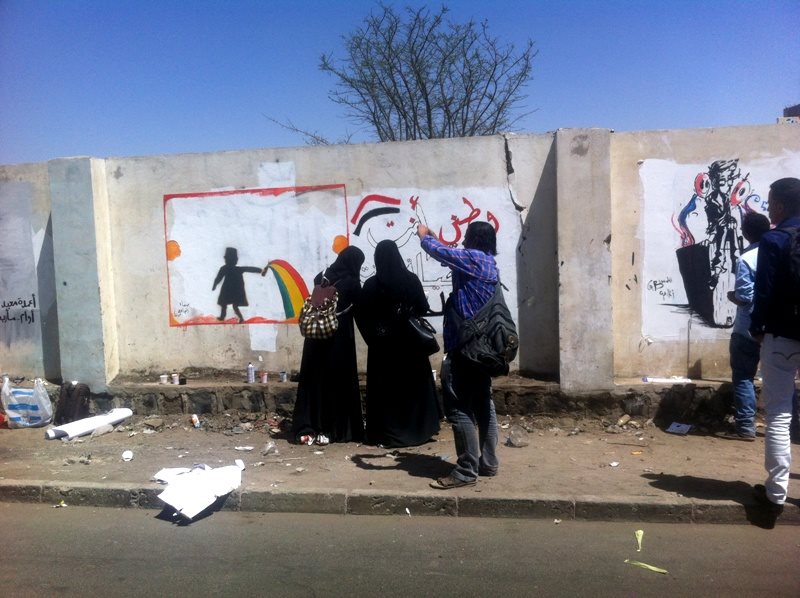
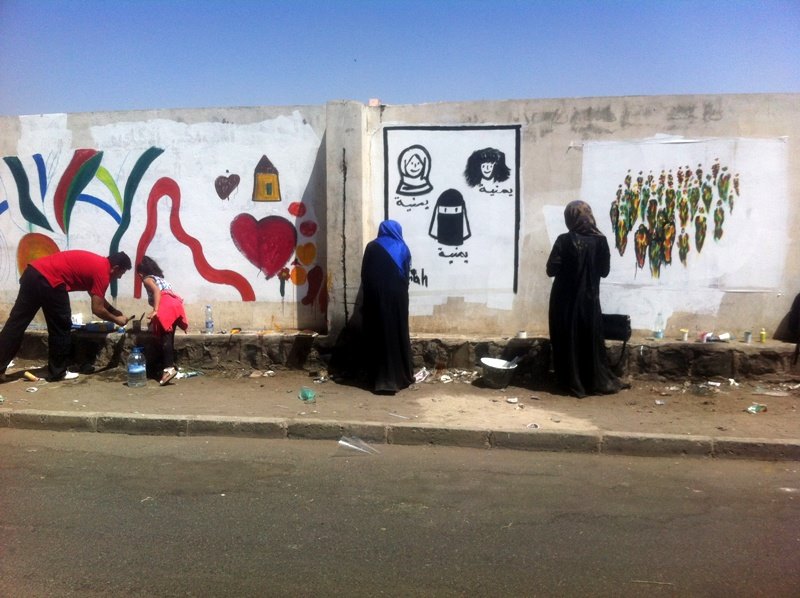
أيام مفتوحة للرسم Open Days for Art
“اليوم المفتوح للفن”
March 15, 2015
قالت الباحثة الأرجنتينية في علاقة الفن بالسياسة، أناهي الفيسو مارينو، في إحدى مقالاتها: “لقد مثلت الجدران التي رسم عليها الفنان اليمني مراد سبيع ورفاقه امتدادا لساحة التغيير، امتدادا لمشاركة الشارع في السياسة التي بدأت في مطلع العام 2011.”
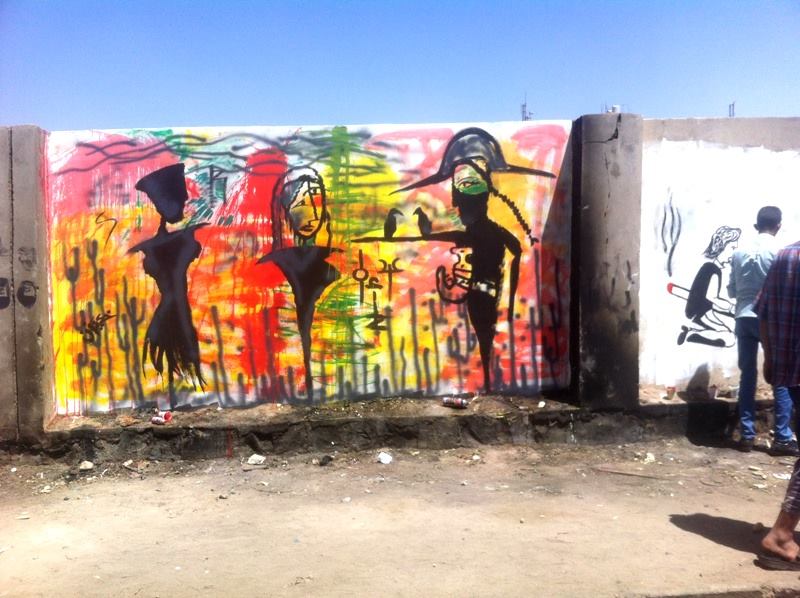
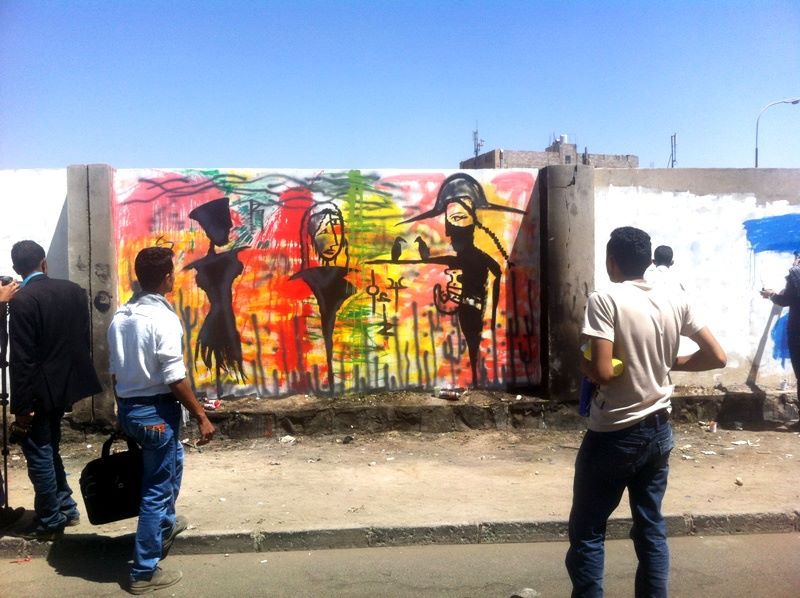
في مثل هذا اليوم قبل 3 سنوات، عندما بدأت حملتي “لون جدار شارعك”، داعياً اليمنيين واليمنيات لتلوين جدران شوارعنا التي شوهتها رصاصات وقنابل المتحاربين في آنذاك، لم أكن أعلم أنني “اناضل في السياسة”، بل العكس هو الصحيح. لقد كنت أناضل ضد السياسة التي صوبت فوهات بنادقها على جدران شوارعنا وعلى جدران نفسياتنا أيضا. وفي الحقيقة، لم يكن لحملة “لون جدار شارعك” وما تلتها من حملات “الجدران تتذكر وجوههم” و”12 ساعة” أن يكون لها أي علاقة بالسياسة بشكل عام، وبسياسة الشارع على وجه الخصوص، لولا توفر عامل أساس هو مشاركة الناس.
مشاركة الناس هو أمر يصعب التعبير عنه، ولكن يمكنني القول- باختصار، أن مشاركة الناس في حملات الرسم على الجدران هي الوجه المغاير تماما لوجه السياسة التي نشاهدها على قنوات التلفزيون وأوراق الصحف وصفحات الانترنت وملامح شوارع العاصمة والمدن.
مرت ثلاث سنوات على حملة “لون جدار شارعك”، وخلال هذه الثلاث السنوات مرت اليمن بأصعب مراحل التحول السياسي كان آخرها أحداث العنف والتوتر السياسي التي يشهدها اليمن منذ سبتمبر 2014. كابد اليمنيون واليمنيات الكثير من منغصات العيش وعدم الاستقرار والأمن منذ 2011 وإلى اليوم، وقابلوا تلك المنغصات بالتفاؤل حينا وبالتشاؤم والاستسلام حينا آخر. وبالنسبة لي أنا المواطن العادي الذي لا يفهم كثيرا في كثير من الأمور بما في ذلك الرسم، كانت مشاركة الناس في حملات رسم لي وللأصدقاء مثل حملة “كتاب مفتوح” للصديق تمام الشيباني، وحملة “كاريكاتير الشارع” للصديق ذي يزن العلوي، بمثابة المؤشر الدال على مقاومة وتفاؤل اليمنيين واليمنيات في تحقيق حلمهم ببناء دولتهم المدنية.
في يونيو 2014، قبيل دخول اليمن في واحدة من أصعب تغيراتها السياسية وأكثرها عنفا وحدة، انتهت حملة “12 ساعة”. منذ ذلك الوقت، وعلى الرغم من عدم توقف أنشطة المشاركة في الرسم على الجدران، إلا أن الناس قد شغلت بمتابعة تطورات أحداث سبتمبر 2014، وأصبحوا يعيشون تحت قبضة التوجسات والتنبؤ بالمجهول داعيين الله بتسريع الفرج. ووسط هذه الظروف غير المناسبة، صادف اليوم الـ 15 من مارس 2015 أن يكون الذكرى الثالثة لانطلاق حملة “لون جدار شارعك”. في أول الأمر، ترددت باطلاق الدعوة لاحياء الذكرى الثالثة للرسم على الجدران، لقد كنت خائفا من أن الأحداث الأخيرة قد أكلت ما تبقى للناس من مقاومة وتفاؤل، أو هكذا خيل لي.
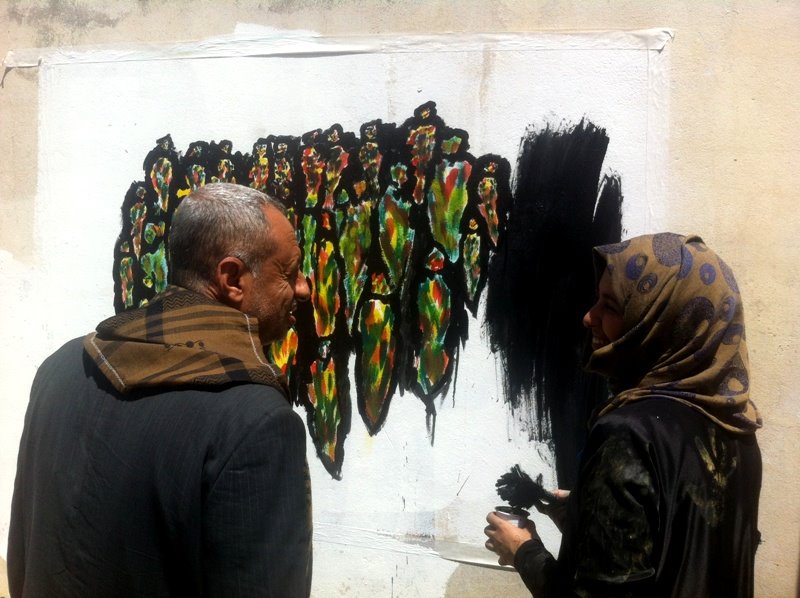
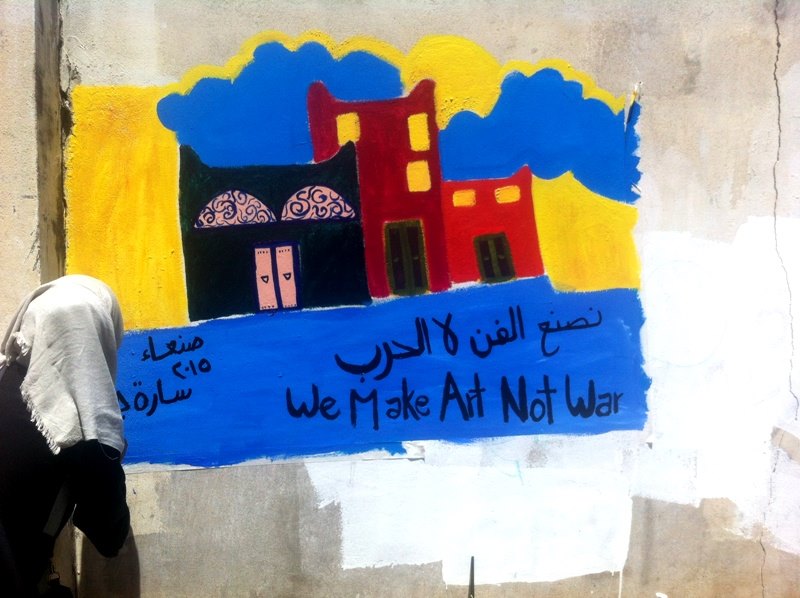
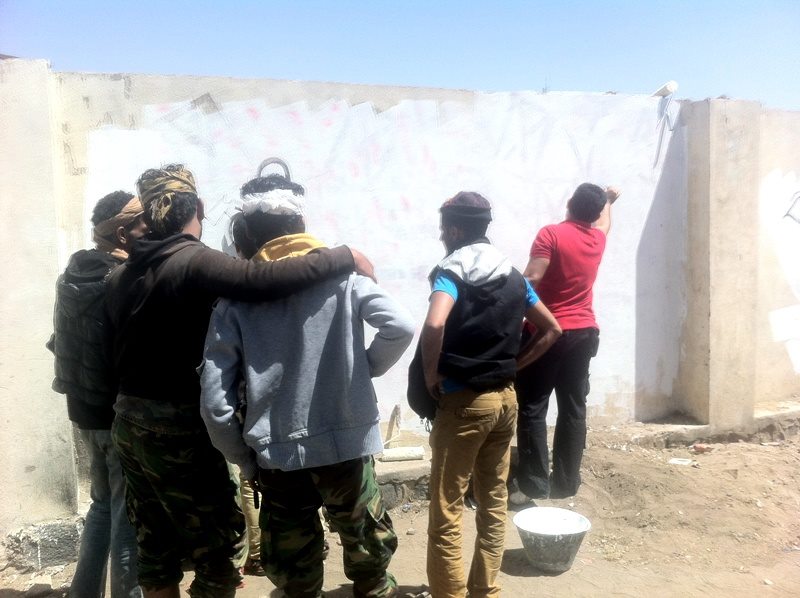
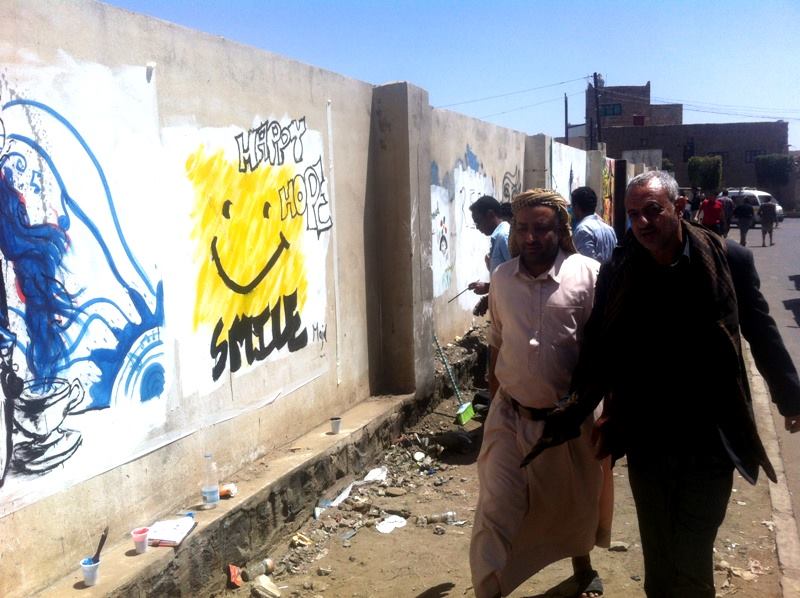
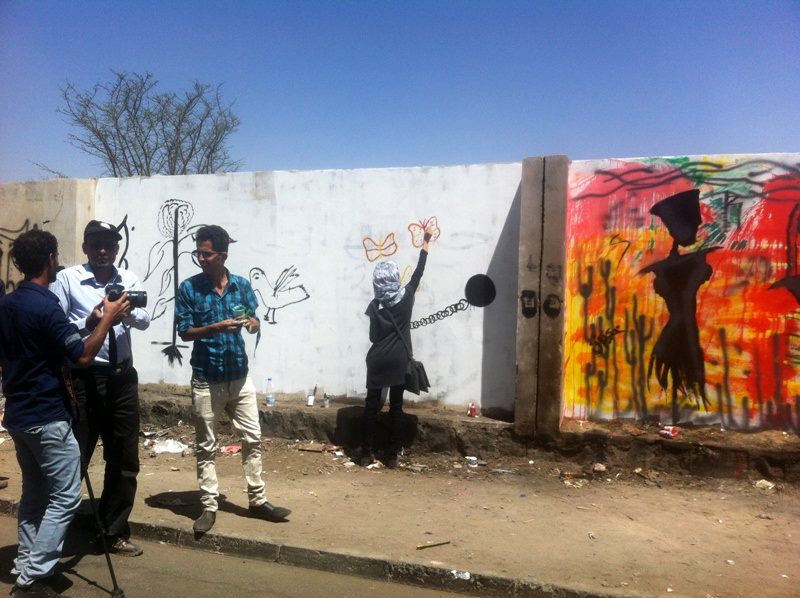
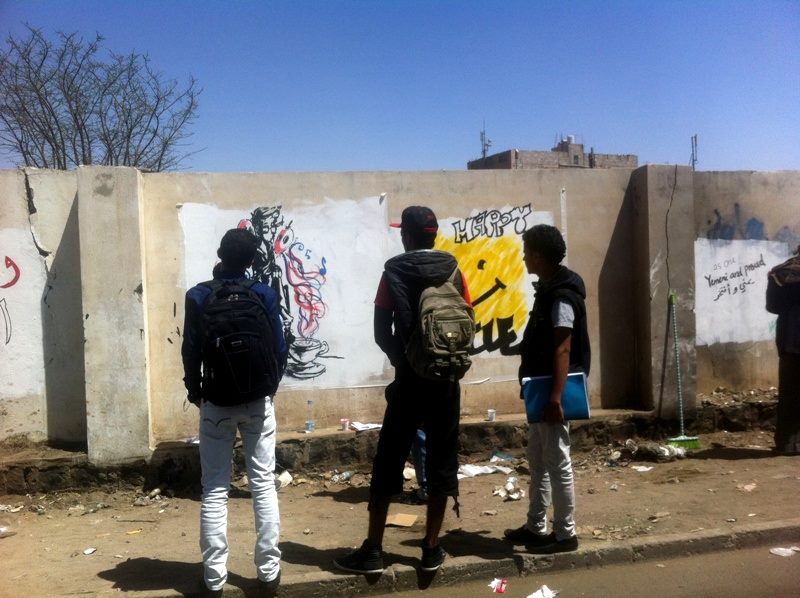
لقد كنت مخطئا، وأعلنت الدعوة للمشاركة بالرسم على الجدران يوم 15 مارس 2015 تحت عنوان “يوم للفن والانسان. وبعد الإعلان عن مكان وموعد الرسم، تقدم الأصدقاء والصديقات الأوائل الصفوف في الموعد ككل مرة عهدتهم فيها منذ ثلاث سنوات. كان معهم آخرون كثر من شباب وشابات وأطفال وطفلات، رجال ونساء وحتى شيوخ. وجوه كثيرة قدمت الى الجدران اليوم لترسم وأخرى لتشارك بالنقاش أو بالمشاهدة. وجوه كثيرة وأيادي أكثر وألوان لا تحصى والجدار كان واحد، جدارك يا بلدي.
نعلم أن عمر صوت الرصاص والقنابل على جدار بلدنا أقصر بكثير من عمر الألوان على نفس الجدار، وأن الوجوه التي قابلته اليوم بالفرشاة كانت أجمل من الوجوه التي قابلته بالرشاش وأن أيادينا التي لمسته كانت أحن وأرحم. ثق يا وطني، أنه وفي كل مرة تحاصرنا جدران أخرى غير جدارك، سنلجأ اليك، سنلجأ اليك ولو مرة في السنة.
جزيل شكري وفائق تقديري واحترامي لكل من شارك وشاركت في فعالية الرسم على الجدران اليوم. شكر خاص وود خالص للأطفال والطفلات. عشتم جميعا منبعا للفن والانسان.












Share this:

“The Last Impulse”,Ruins Campaign.
English text follows
يعيش اليمنيون كافة أوضاع كارثيه في ظل الحرب وصراعات الداخل والخارج. الشعب اليمني اليوم يتضور جوعا وعطشا ويفتقد لأبسط الأدويه بسبب الحرب وحصارها. بحسب الإحصائات فإن 21 مليون يمني يحتاجوا إلى المساعدة اليوم، منهم أكثر من 7 مليون يمني بحاجة للمساعدات الإنسانية الأساسيه الطارئه.
جدارية “النبض الأخير”
للفنان/ ذي يزن العلوي، ضمن حملة “حُطام” في نشاطها السادس حول “الحصار”، على الجدار المقابل لوزارة الشباب والرياضه، شارع الزبيري، في اليوم الأخير للعام 2015.
Due to the internal and external conflicts in Yemen, Yemenis live under catastrophic conditions. Today, Yemeni people struggle with the lack of food, water and medications because of war and its siege. According to recent statistics, 21 million Yemeni need assistance, of whom more than 7 million Yemenis need urgent and basic humanitarian assistance.
“The Last Impulse” mural
By the artist Thi Yazan Al-Alawai, under “Ruins” campaign in its sixth activity around “Blockade”, on the opposite walls of the Youth & Sports Ministry, Alzubairi Street, in the last day of the year 2015, December 31.

Share this:

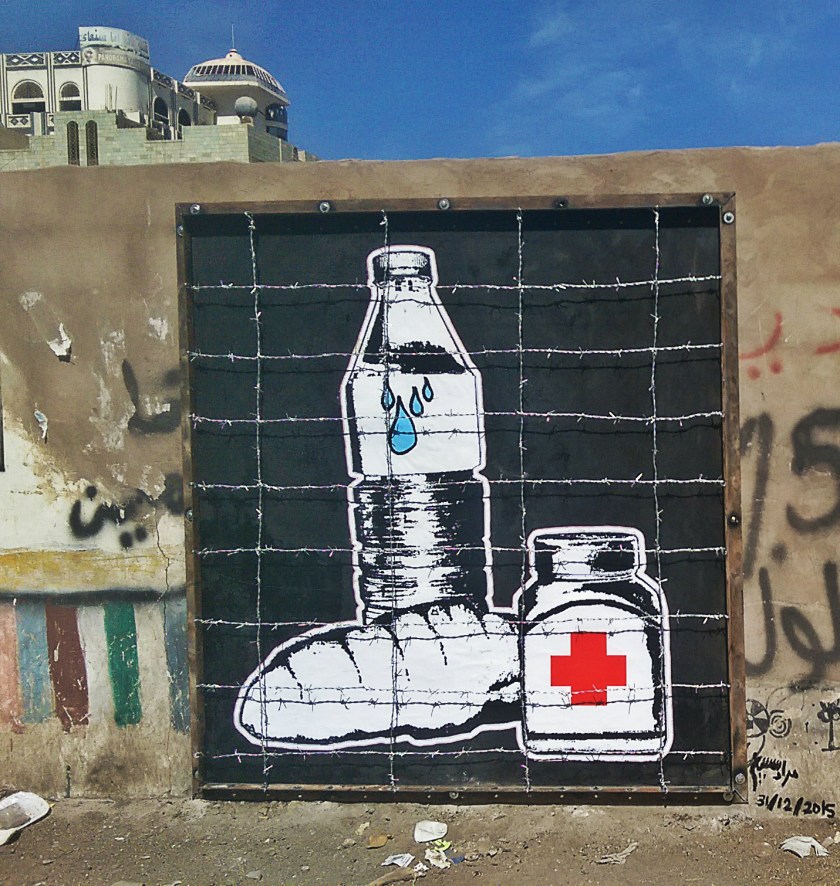
“Blockade” mural, Ruins Campaign
English text follows
الجوع والعطش أسوأ فصول الحرب. لم تكتف حروب الداخل والخارج بقتل وتشريد اليمنيين، بل هاهي تفرض الحصار عليهم مسببة العطش والجوع وإنعدام الدواء عنهم.
بينما يحتفل العالم اليوم بليلة رأس السنة، يمر اليمنيون بأصعب اللحظات في تاريخهم الحديث وربما القديم أيضاً.
جداريتي، ضمن حملة “حُطام” في نشاطها السادس حول “الحصار”، على جدار في شارع الزبيري، اليوم الأخير من العام 2015، ديسمبر 31.
ملاحظة: إستخدمت في الجدارية أسلاك شائكة وإطار حديدي، بالإضافة إلى إستخدام تقنية الويت بيست.
Hunger and thirst are the worst parts of war. Not only did the internal and exterior wars kill and displace Yemenis, rather these wars have imposed blockade that caused the hunger, thirst and medicine shortage for millions of Yemenis.
Today as the world celebrate New Years’ Eve, Yemenis go through one of the hardest times in their recent history, and probably the ancient one as well.
My mural, in “Ruins” campaign in its sixth activity around “Blockade”, on the opposite walls of the Youth & Sports Ministry, Alzubairi Street, in the last day of the year 2015, December 31.
Note: I used barbed wires and metal frame in installing this mural, I also used Wheat Paste technique.
Share this:

On the “FOREIGN AFFAIRS” Magazine
My mural about “Treason” in “12 Hours” campaign is republished by “FOREIGN AFFAIRS” Magazine along with other artistic murals from countries sinking in conflicts entitled “War Painting”.
“In Sana’a, Artist and activist Murad Subai puts final touches on his graffiti depicting Saudi, U.S., and Iranian currency banknotes on a wall. His work is part of a graffiti campaign against foreign interference in the internal affairs of Yemen, May 15, 2014.”
ما أشبه اليوم بالأمس حيث تزدهر الخيانة الوطنية أكثر ويتباهى الخونة بخيانتهم، كالطواويس.جداريتي عن “الخيانه الوطنيه” في حملة “12 ساعه” اعادت نشرها مجلة “FOREIGN AFFAIRS” الأمريكيه مع مجموعة من الجداريات الفنيه من بلدان تلتهما الصراعات تحت عنوان “جداريات الحرب”

Share this:

Ruins on “The Seattle Times”
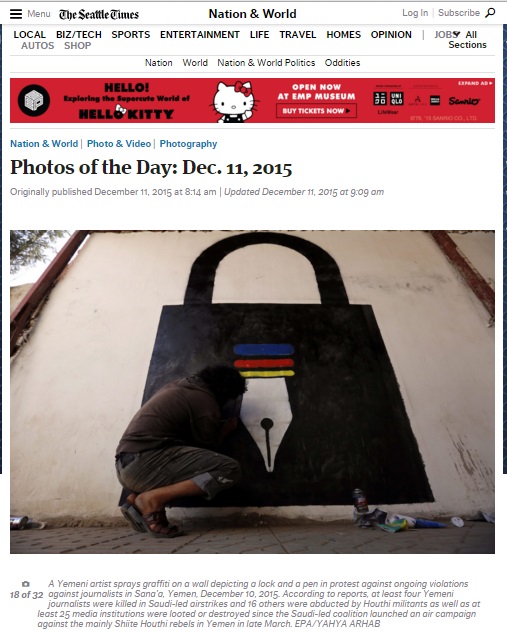
On the American website “The Seattle Times”: Photos of the day.
During painting my fifth mural in “Ruins” campaign, on the wall of the Yemeni journalist Syndicate, Dec.10, 2015
من “صور اليوم من حول العالم” على الموقع الأمريكي “The Seattle Times”
الصوره أثناء عملي على جداريتي الخامسه ضمن حملة “حُطام” التي عنت بالحريات، على جدار نقابة الصحفيين اليمنيين، 10 ديسمبر 2015.
تصوير: Yahya Arhab “EPA”
Share this:

YEMENI GRAFFITI ARTIST CAPTURING WAR IMPRINTS\ By: Afrah Nasser “HUFFPOST”

Yemeni Graffiti Artist Capturing War Imprints
Posted: 12/08/2015 3:28 pm EST Updated: 12/08/2015 3:59 pm EST
For many, Yemen war is a forgotten one. Nonetheless, aspects of Yemen war are meant not to be forgotten for Yemeni graffiti artist, 28, Murad Subay who believes walls shall represent accounts of warfare. In the wake of Yemen’s 2011 uprising, as he utilized his art to reflect the political and social concerns of that phase, Murad has been regarded as a revolutionary artist-perhaps the first Yemeni political graffiti artist of his kind in Yemen’s contemporary history. Today, determined to continue his artwork, and in light of Yemen war, Murad Subay continues to shed light on the human cost of the war, which could make him to be regarded as a war artist.
As of 16 October, health facilities in Yemen had reported 32,307 casualties (including 5,604 deaths) – an average of 153 injuries or deaths every day, according to a UN report.
Murad was compelled to create a visual account of that destruction of human lives. ‘Ruins’ is the title of his latest art work intended to depict the impact of the war by commemorating war victims across Yemen. ‘Ruins’ was initiated in May, 2015 in Sana’a, aiming to leave graffiti paintings on what’s left of the destroyed houses by the bombings. One of his outstanding graffiti art is when Murad beautifully commemorated 15 children killed in Bani Hawwat area, in Sana’a, where air strikes destroyed more than seven houses. Murad painted 15 children faces on the wall of what’s left of the destroyed house. Another 27 civilians were killed as well in that attack.

In our email correspondence, Murad told me that he doesn’t want to focus only on his town of residence, Sana’a. He tried to visit the war-torn Taiz city and paint. He managed to paint at Hoban area, then when he tried to paint in further areas in Taiz, he was denied to enter to the heart of the city by one of the warring parties. When I asked who exactly denied him, he prefered not to disclose further information. I expect that is so for his own security. Murad did not let that stop him; he went back to Sana’a and continued painting.
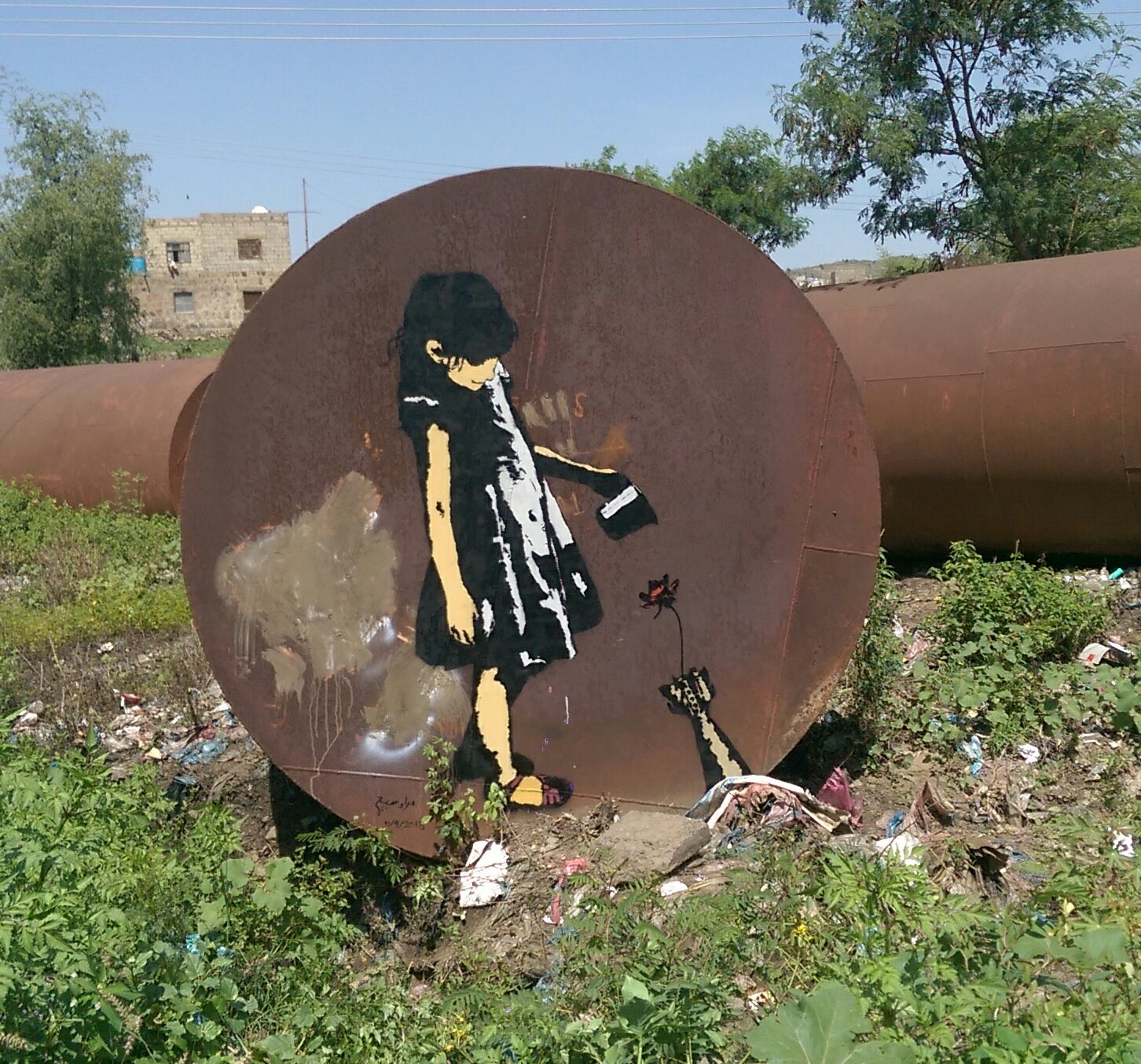
The painting process usually takes place with the help of a number of Murad’s friends and even with the help with strange people who happen to pass by and feel interested in what’s been done. Even though Murad has been occasionally harassed by different officials in power for the work he does, he praises greatly the support he has been getting from the Yemeni society – ‘that’s the main thing that keeps me going since 2012,’ he tells me. Murad believes that the significance of graffiti art lies in its power in reflecting a society’s concerns better than words.
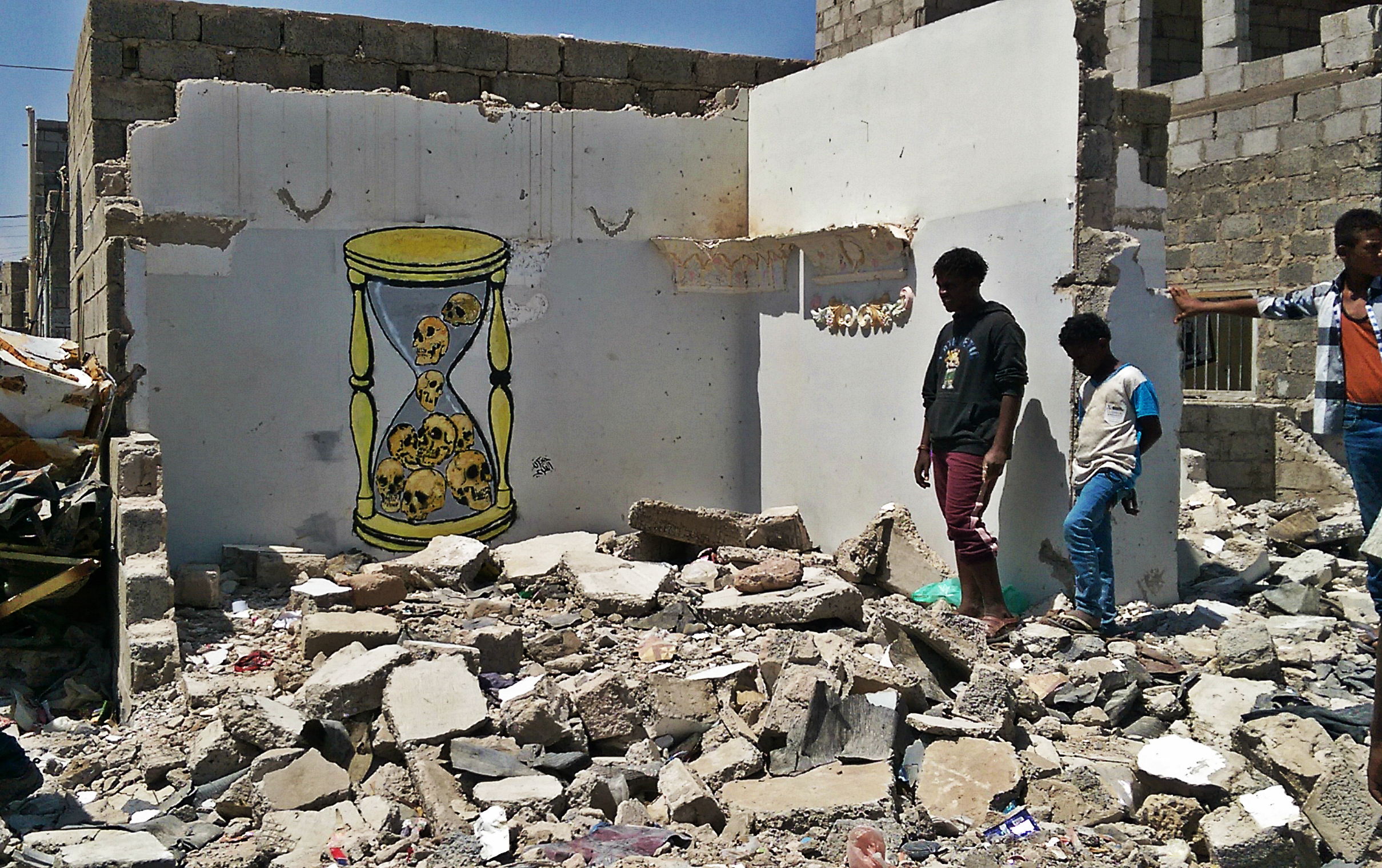
Murad’s experience with graffiti has began since 2011 with his consecutive art campaigns which include; ‘The Walls Remember Their Faces‘, ‘Colour the Walls of Your Street’ and today’s ‘the Ruins’. Nonetheless, Murad is thirsty to dig more into graffiti art and seeks to improve his knowledge about art academically. He hopes to study it further in the near future.
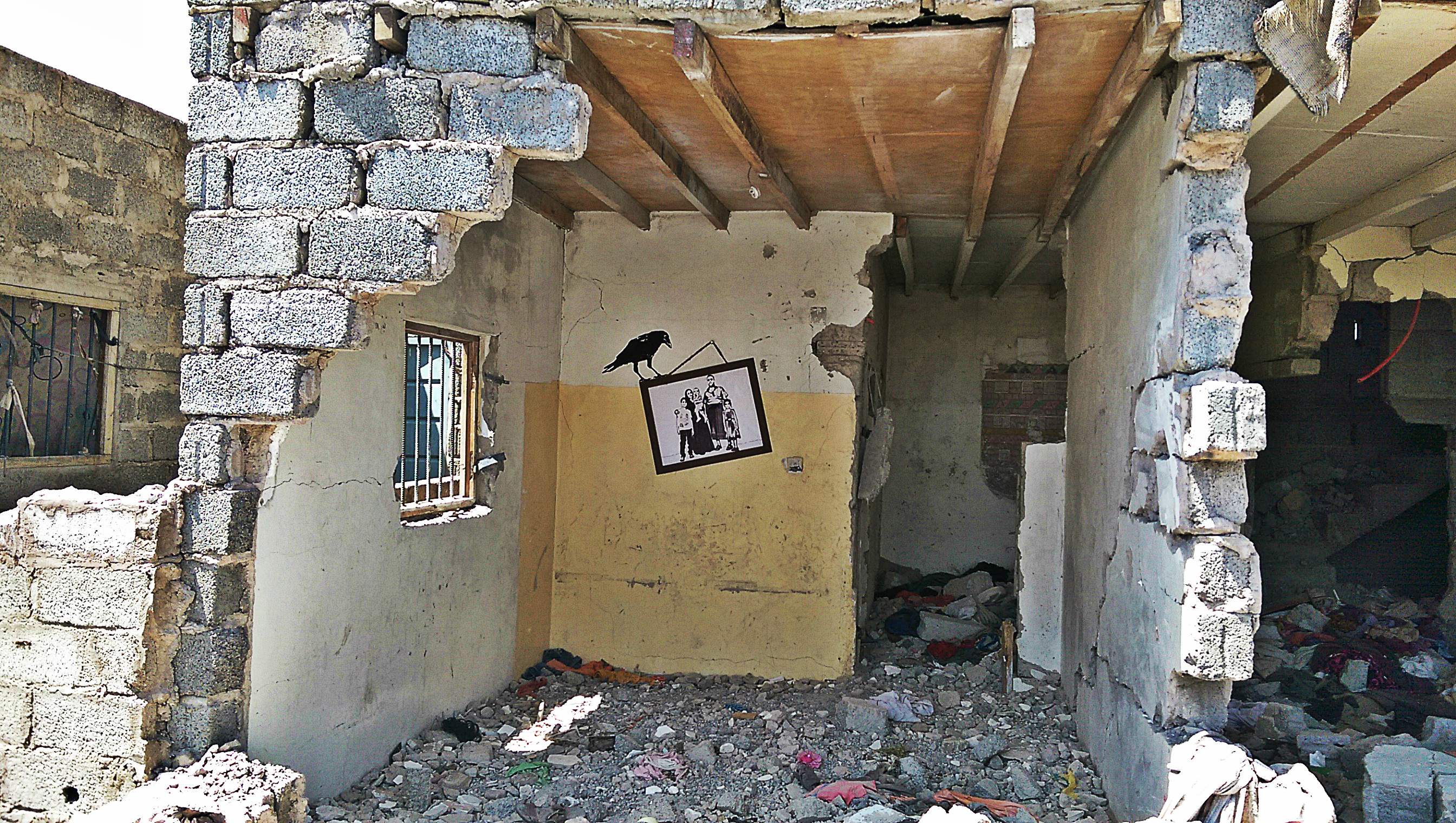
Murad is not just another graffiti artist; who’s being dubbed as ‘The Banksy of Yemen.’ Murad is a rare humanist voice in an extreme polarized political scene in Yemen. It’s been remarkable the audacity his art has in depicting Yemen’s critical political and social issues following Yemen’s 2011 uprising till the ongoing conflict. Given the growing political division among the nation influenced by the multi-layered conflict in Yemen, it’s been hard to find a voice that can reflect the humanism of the situation; speaking about the killing and bloodshed of all sides, regardless of who fired the bullets first. Murad’s art doesn’t only express Yemeni people’s pain but it also revives a sense of humanity that’s suffocated by massive injustices.
Share this:

The Economist: Picture of the day: From Instagram During painting my mural in”Ruins” campaign, Dec.10, 2015 The Economist
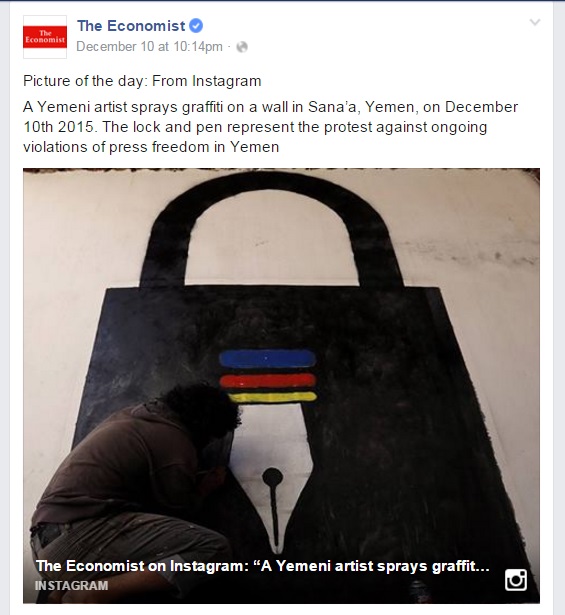
Share this:

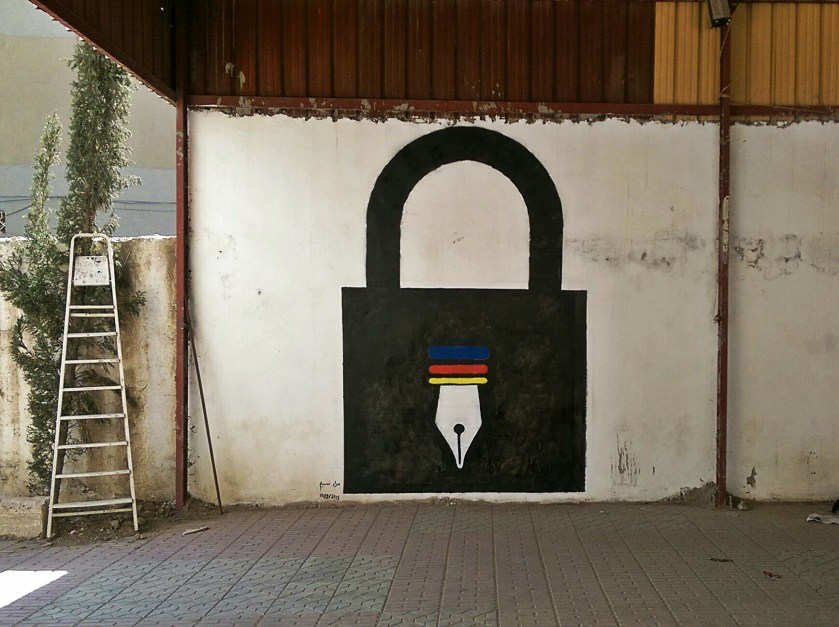
My fifth mural in “Ruins” campaign, on the wall of “The syndicate of Yemeni Journalists”, December 10, 2015.
الحريات ضحية كما الإنسان، وبالإمكان إستهدافها وتدميرها كما الأماكن في أوقات الحروب.
جداريتي الخامسه ضمن حملة “حُطام”، على جدار نقابة الصحفيين اليمنيين، 10 ديسمبر 2015.
Freedoms are victims just as humans are, and they can be targeted and destroyed just as places can be at the times of war.
My fifth mural in “Ruins” campaign, on the wall of “The syndicate of Yemeni Journalists”, December 10, 2015.

 Murad Subay