
Une fresque pour le Yemen.
Tag: War

With Last Dance of the Dead, Yemeni Artist Paints Message for France\ On “

With Last Dance of the Dead, Yemeni Artist Paints Message for France
By
PARIS — Three dangling bodies painted against a blood red background shocked passersby in central Paris on Tuesday after a Yemeni artist unveiled a mural to denounce French arms’ sales to the Saudi-led coalition fighting in his homeland.
The three-metre (10 ft) high mural entitled “Last Dance of the Dead” was created by Murad Subay. He started painting when the conflict in his country broke out in 2014 to raise awareness on arbitrary arrests before taking his brush to the bombed out rubble in the capital Sana’a.
“This is inspired from real stories of people who died in the war and I am trying to convey how war has affected the people,” Subay, who fled to France 18 months ago and is part of the Artist Protection Fund (APF), which provides relief and safe-haven to artists at risk.
France is among the world’s leading arms exporters with its sales to Saudi Arabia last year rising 50% despite the government calling for an end to the conflict in Yemen.
Paris says its arms sales are governed by strict procedures that are in line with international treaties. President Emmanuel Macron claimed for the first time in May he had received guarantees from Saudi and the United Arab Emirates that French weapons were not used against civilians.
“We’re seeing a change in the public language, but what we’ve been asking for over the last two years is an end to arms sales,” Aymeric Elluin, advocacy officer at Amnesty International France, told Reuters.
At least 10,000 people have been killed in Yemen’s civil war and millions displaced, according to the last available figures from the United Nations in 2016. The Armed Conflict Location & Event Data Project (ACLED), a database that tracks violence in Yemen, said in October around 100,000 people have died since 2015.
(Reporting by John Irish; Editing by Emelia Sithole-Matarise)
Continue reading “With Last Dance of the Dead, Yemeni Artist Paints Message for France\ On “”
Share this:

“Last Dance of the Dead” mural, Paris 2019
من قلب مدينة باريس “رقصة الموتى الأخيرة”
أهدي هذا العمل لكل الأبرياء الذين فقدوا حياتهم ولأسرهم، في هذه الحرب التي اكلت الأخضر واليابس وكل ما استطاع اليمنيين ان يبنوه خلال السبعة العقود الماضية.
جداريتي “رقصة الموتى الأخيرة” والتي نفذتها في منطقة “المارين” وسط مدينة باريس. يرافقها نص باللغة الفرنسية “على أجساد اليمنيين، تمر الحرب، النفاق الدولي وأسلحته”.
ضمن تعاون فني مع الثمان المنظمات الفرنسية الأتية ” أمنستي، اوكسفام، سام اوف اس، اكشن اغينست لفام، كير، أكت، ميديسن دو موند، و كرايزس ان اكشن”.
شكرا لكل من ساهم في إنجاح هذا العمل ولكل الحضور الجميل
From the heart of Paris “The Last Dance of the Dead”
I dedicate this mural to all the innocent people who have lost their lives and to their families, in this war that has destroyed everything Yemenis have been able to build over the past seven decades.
The “Last Dance of the Dead” mural, I installed it on a wall in the Marin district at the centra of Paris. Accompanied by a French text “on the bodies of Yemenis, war, international hypocrisy and its weapons, pass”
It is an artisitc collaboration with the following eight French organizations: Amnesty, Oxfam, Sum of us,
Action Contre La Faim, Care, Act, Medicine du Monde, and Crisis in Action.
Thank you to everyone who contributed to the success of this work and to all the beautiful attendees.

Share this:

Art collaboration\ Paris, 2019
سأنفذ جدارية بمساحة “9 أمتار عرض، و 6 أمتار إرتفاع” يوم الإثنين 18 نوفمبر 2019، على جدار في وسط مدينة باريس في منطقة “المارين”، بالتعاون “إمنستي، اوكسفام، كير، ميديسن دو موند، أكت، اكشن كونترا لفام، سيم اوف از”, يليها مؤتمر صحفي صباح الثلاثاء أمام الجدارية.
On Monday 18 November 2019, I will do a mural on a wall (9mX6m) in “La Marin” area, middle of Paris, in a collaboration with “Amnesty, Oxfam, Care, Medecins Du Monde, Action Contre La Faim, Sum Of Us, and Act”. Follows a journalistic confrence on Tuesday morning in front of the mural.
Link:

Share this:

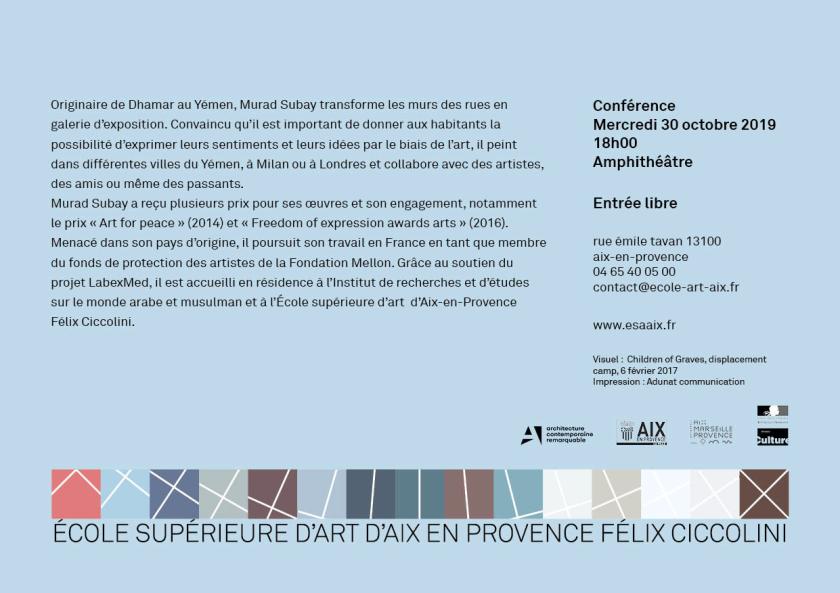
Murad Subay [public lecture] en “Ecole Superieure D’Art”
Events – Conferences and round tables – 2019/2020 –
Murad Subay [public lecture]
Wednesday, October 30, 2019 at 18h

Share this:

Z domů se staly hroby a svět jen dodává zbraně. Jemenský umělec popisuje hrůzy války\ On “Aktualne” Magazine

Z domů se staly hroby a svět jen dodává zbraně. Jemenský umělec popisuje hrůzy války
31. 8. 2019 22:30
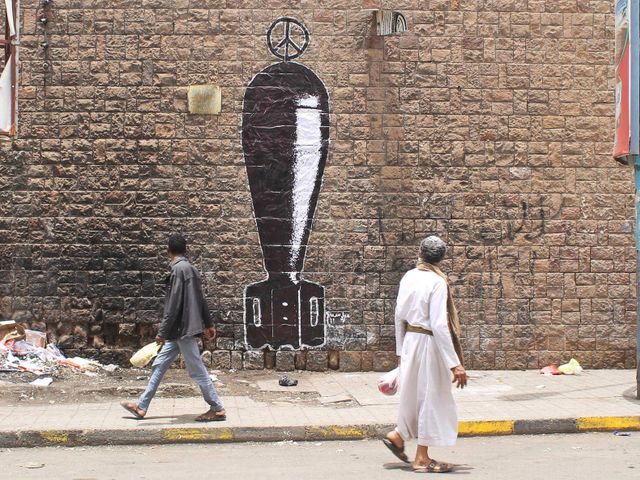
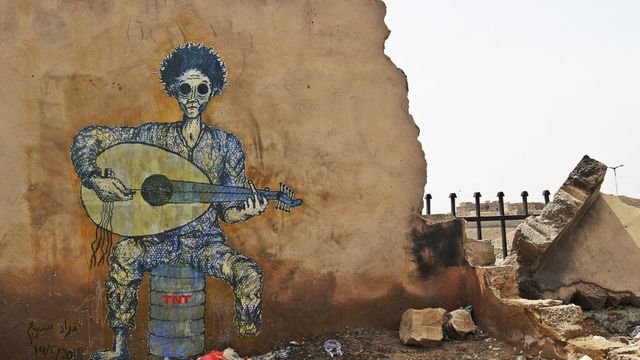
Světová média ho přezdívají arabský Banksy. Sám ale takové označení nepodporuje. Nemá ani umělecké jméno, chce být zkrátka Murad Subay. Jemenský umělec se začal věnovat streetartu v době arabského jara před osmi lety, od roku 2015 ve své tvorbě zachycuje krvavou válku v zemi. V současnosti je na ročním uměleckém pobytu Artist Protection Fund v jihofrancouzském městě Aix-en-Provence, v rámci něhož chce upozornit na dodávky zbraní do Jemenu, které krvavé boje jen dál prohlubují. “I kdyby válka skončila, zbraně tam budou dál v oběhu desítky let. Světové zbrojařské firmy si z války dělají byznys. Prodávají je jako zboží,” upozorňuje Subay v rozhovoru pro Aktuálně.cz.
Nedávno médii proběhly zprávy, že se koaliční vojska stahují z Jemenu. Blíží se konec války?
Teď se objevují velké titulky, že válka končí, ale i kdyby oficiálně končila, místní boje budou pokračovat desítky let. V Jemenu se hraje nejen o moc v zemi mezi Húsíji a jednotlivými komunitami, ale také o vliv na mezinárodním poli. Naše země nebude nikdy stabilní – už jen kvůli geografické poloze, bohatství, půdě, ropě a tak dále. Na jihozápadě země leží klíčový průliv Bab-al-Mandab, přístav Aden má světový význam.
Svět přesto moc pozornosti současné válce příliš nevěnuje.
Je to obrovské pokrytectví, v Jemenu se bojuje o mezinárodní zájmy, přesto nikdo nechce nazývat humanitární krizi jako globální. Jemenci, kterým se podaří utéct ze země, ani nejsou považováni za uprchlíky. Na hlad a epidemie tam přitom teď umírá obrovský počet lidí. Spousta humanitárních organizací je podplacených, aby o tom nemluvily. Do toho je velmi těžké se do země dostat. Novináři, kterým se to podaří, nemůžou informovat svobodně. Pokud budou na severu, musí psát pro koalici, pokud na jihu, pro milici. V Jemenu teď není žádná svoboda, natož svoboda projevu. A do toho se konflikt svým způsobem spoustě stran hodí, protože vydělávají na dodávkách zbraní.
O kom konkrétně nyní mluvíte?
O všech, žijeme ve světě pokrytců. O koalici Saúdské Arábie, Spojených arabských emirátů, podporované USA, Británií, Evropou i o Rusku, Číně a Íránu. Obě strany konfliktu jsou dvě tváře stejného. Pět let dodávají do Jemenu zbraně, které možná byly původně určeny koalici, ale teď už kolují i v rukách povstalců. A i kdyby válka skončila, zbraně tam budou dál v oběhu desítky let. Světové zbrojařské firmy si z války dělají byznys. Prodávají zbraně jako zboží. A některé zbraně dokonce v Jemenu testují, jako by Jemenci byli nějaké pokusné myši.
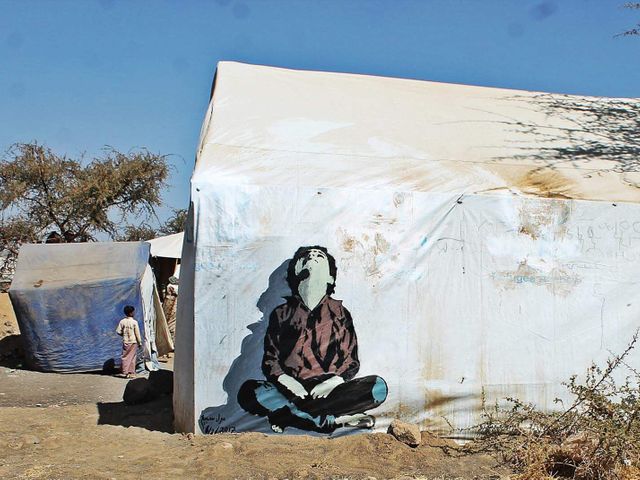
I proto jsem se rozhodl upozornit na tento problém ve své současné kampani Faces of War (Tváře války), kdy ve Francii a Londýně navazuji na fresky, které jsem dělal v roce 2017 v přístavu Hudajdá, kde je situace jedna z nejtragičtějších. Lidi hladoví, umírají, jsou týraní, nemocní.
Označení tichá válka tedy pořád platí?
Platí. Světové mocnosti dál v tichosti podporují konflikt dodávkou zbraní. Vláda je slabá a zkorumpovaná. A Húsíjové si můžou dělat, co chtějí, a umlčovat, koho chtějí. Nutí lidi slepě poslouchat.
Jak se teď běžní Jemenci cítí? Mají ještě nějakou naději?
Nemyslí na zítřek. Na budoucnost. Myslí jen na to, jak přežít den. Nemají žádné plány. Žádné sny. Nemají nikoho, kdo by je zastupoval. Taková je válka, dějí se jen hrůzy.
Jaká byla za celou dobu největší hrůza pro vás?
Musíme připomenout kontext. Od roku 2011 probíhala v Jemenu revoluce. Už tehdy to nebylo lehké, spousta lidí byla zavražděna, mizela za neznámých okolností. Jenže lidé byli aktivní, bylo jich hodně a věřili ve svobodu a spravedlnost. Nebáli se a chodili do ulic. Tehdy jsem taky začal dělat první streetartové kampaně. Nebyla to volba jako spíš forma boje. Svolával jsem lidi přes sociální sítě a společně jsme pak na ulicích tvořili. Lidé svobodně vyjadřovali své naděje a sny. A pak přišla dvě pro Jemen tragická data: 21. září 2014, kdy povstalci obsadili města. A pak vojenská intervence a začátek války 26. března 2015.
Bylo to o půlnoci, stěny domu se začaly klepat, hlavním městem San’á otřásaly exploze, moje sestra šíleně řvala. Celá rodina se seběhla do jednoho pokoje, zapnuli jsme televizi a tam bylo: Válka. Totální šok, kdy nemyslíte vůbec na nic. Trvalo mi čtyři dny, než mi to došlo. Pak jsem se rozbrečel, protože mi došlo, že to bez zbraní nepůjde. Jsme mírumilovný národ, ale ve válce vyhrává ten silnější. Trvalo mi další měsíc, než mi došlo, že válka bude trvat roky. A skoro dva měsíce, než jsem začal přemýšlet, co s tím můžu dělat.
K čemu jste došel?
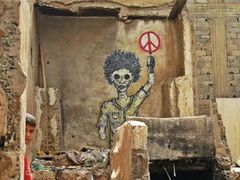
Chodil jsem po místech, kde umřeli civilisté. Procházel se v San’á v ruinách domů zničených válkou. Na severu města byl třeba dům, kde při jednom útoku zemřelo 27 lidí najednou, včetně dětí. Když jsem tam přišel, sousedi mi ještě říkali, že našli pod troskami kusy lidských rukou. Domy se staly hroby vlastních obyvatel, ruiny mým plátnem. Věděl jsem, že jim život nezachráním, ale že musím dělat to, co umím – umění. Začal jsem se zajímat o osudy obyčejných lidí, co přišli o život. A začal připomínat jejich životy malbami na ruiny.
Viděl jste jejich těla?
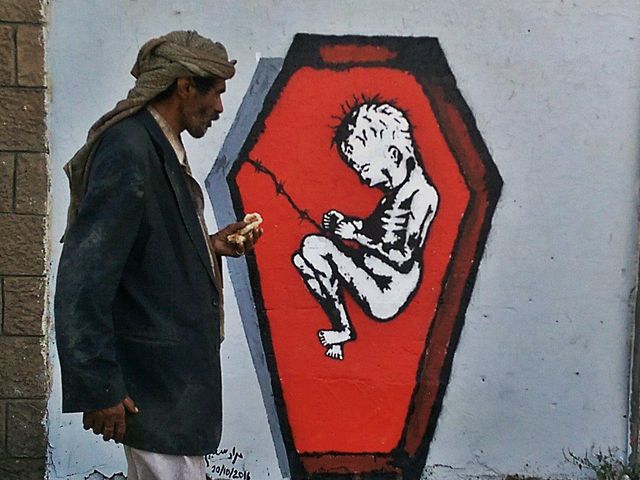
Je zvláštní, že každý reaguje jinak. V mém sousedství často někteří lidé říkali, pojď se podívat. Ale já nechci. Chci si v hlavě i srdci uchovat to, co mám. Dohnalo by mě to dřív nebo později. Určitě bych ten obraz už nikdy nevyhnal z hlavy. Mrtvé jsem neviděl a ani vidět nechci. Ale samozřejmě se k vám dostane spousta videí, fotek, jak někoho zabíjejí, znásilňují, včetně dětí… Na ulici vidíte popravy na šibenici. Dělají to schválně před očima lidí, aby je to vyděsilo, ovlivnilo jejich myšlení. Válka není jen o bojích, hladu nebo nemocích. Nejhorší na ní je, že z lidí dělá bestie. Lidská povaha taková od přírody není, válka ji dokáže úplně znetvořit. Na válce není absolutně nic hezkého.
Jak se vám s tímto východiskem dělá umění, od kterého se určitá forma estetiky očekává?
Ve válce není žádná krása. Je mi jasné, že si moje díla nikdo do obýváku nepověsí, ale je mi to jedno. Většinu svých obrazů dokonce nemám rád. Ale nemůžu mlčet. Snažím se dát stanovisko k tomu, co se děje. Znázornit pravdu, nebo alespoň část. Držet alespoň nějakou linku v té hrůze, která se děje. Něco, na co budeme moc navázat, pokud válka jednou skončí.
Jaké to je, být za takových okolností tady ve Francii, navíc v poklidném a bohatém městě Aix-en-Provence?
Občas je mi smutno. Cítím zvláštní druh viny vůči svým blízkým. Mám pocit, jako bych si tu neměl moc užívat. Jsem v bezpečí, zatímco oni procházejí těžkými chvílemi. Ale nechci si stěžovat. Když si budeme stěžovat, nikam se neposuneme. Jsem tu proto, abych upozornil na to, co se děje. A do Jemenu se chci samozřejmě vrátit.
Má vaše práce větší smysl tam?
Jemenci jsou ve válce sami. Nemají žádné přátele, spojence ani sousedy. Moje tvorba nikoho nevyléčí, ale aspoň snad může někomu přinést trochu světla – pocit, že v tom, co prožívá, není sám.
Video: Mise v Jemenu je noční můra, říká Šebek
Share this:

The Cultural Frontline: Murad Subay: The Walls Remember\ On radio “BBC”


The street artist capturing the impact of the war in Yemen\ On “The Economist”
The walls remember their faces
The street artist capturing the impact of the war in Yemen
Using stencils and spray paint, Murad Subay creates haunting figures, portraits and motifs
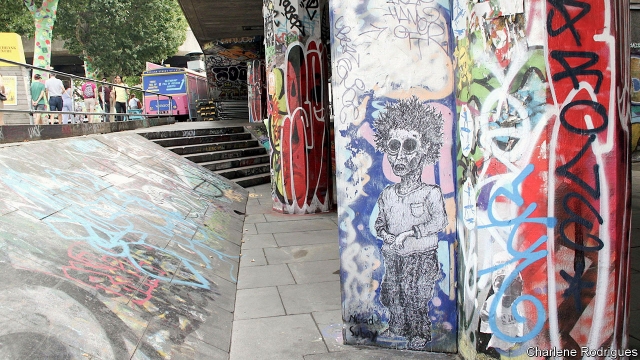

FREQUENT VISITORS to the skatepark on London’s South Bank may have noticed two new works of art among the decades-old graffiti. Both spray-painted in black and white, one image depicts a naked and emaciated mother clutching a newborn; another shows a starving boy, his hair on end, listlessly picking at his hands. Entitled “Hollowed Mother” and “Lost Generation” (pictured), the figures are cadaverous and haunting, with dark empty holes where their eyes should be.
Similar works of street art can be found in Hodeida and Sana’a, cities in Yemen: on the wreck of a door, now in a garbage dump, or on the last standing wall of a house reduced to rubble. “Faces of War”, a project by Murad Subay, a Yemeni artist, seeks to draw attention to the worst humanitarian crisis in the world. Since the outbreak of civil war in 2014 between Houthi rebels, a Shia militia backed by Iran, and government forces, backed by Saudi Arabia, the water, power, health-care and education systems have failed. The country has suffered the worst cholera outbreak in modern history and faces famine. The United Nations estimates that three-quarters of the population of 28m need some sort of assistance.
Mr Subay’s works convey this desperation. “Devoured”, (pictured below) an installation commissioned by the Imperial War Museum in Manchester, depicts a skeletal, one-armed man with the same cavernous eyes as the mother and boy in South Bank. He sits, cross-legged, biting into himself; a crow perched on one knee pecks at his gaunt thigh. The image calls forth “The vulture and the little girl”, a Pulitzer prizewinning photograph taken by Kevin Carter in 1993, of a starving Sudanese child (actually a boy) and a vulture stalking close by. (The memory haunted Carter, who took his own life the next year.)

Continue reading “The street artist capturing the impact of the war in Yemen\ On “The Economist””
Share this:

“Anti-refugee” my mural, Paris.
“الهروب من الحرب جريمة!”
-معادين اللاجئين
جداريتي ضمن حملة “شهية طيبة” العاصمة باريس، ١٢ أغسطس ٢٠١٩.
شكر جزيل للصديقتين العزيزتان، خديجة السلامي و جانيت بوغريب.
“Escaping from War is a Crime!”
Anti-refugee
My mural, “Bon Appétit”, campaign, Paris, August 12, 2019.
Special thanks to my friends Khadija Alsalami, and Jeannette Bougrab, for their support.
“échapper à la guerre est un crime!”
-Anti-réfugié
Mon travail, campagne “Bon Appétit”, Paris, 12 août 2019.
Merci à mes amis Khadija Alsalami et Jeannette Bougrab pour leur soutien.

Share this:

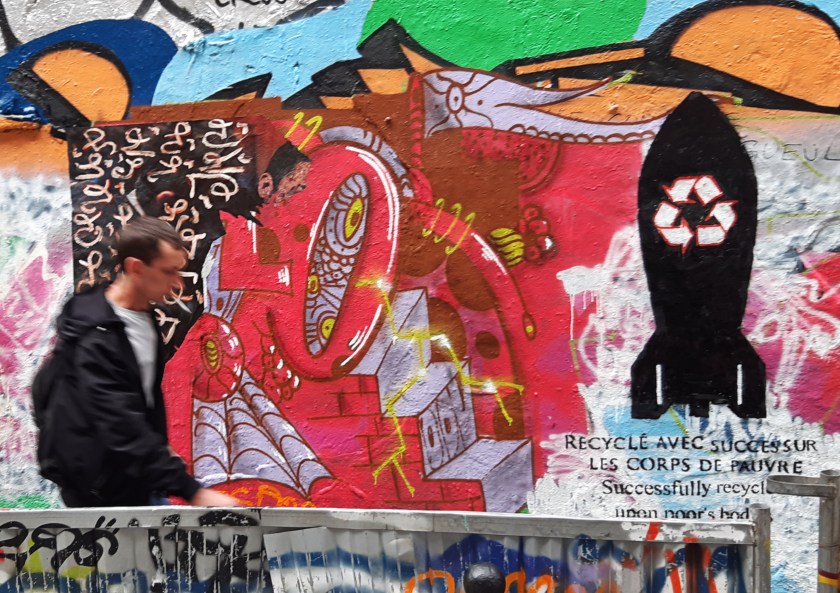
“Successfully Recycled”
“تم تدويرها بنجاح”
“تم تدويرها بنجاح على أجساد الفقراء “
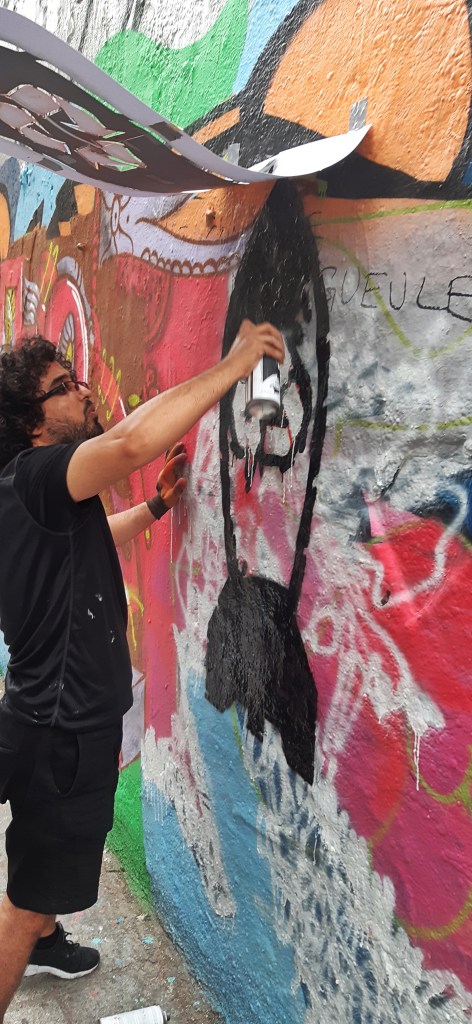
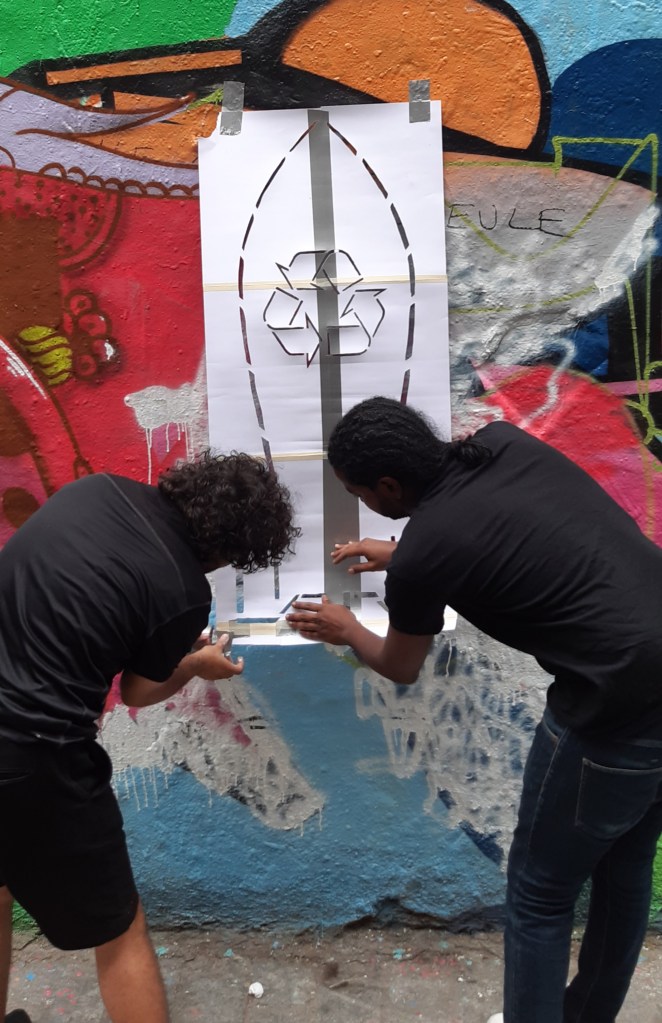
جداريتي ضمن حملة “شهية طيبة” على جدار في منطقة بيلفيل، العاصمة باريس. ١٣ أغسطس ٢٠١٩.
شكر جميل لصديقي العزيز مصعب عباد، ولشقيقي جميل سبيع على عونهما.
“Recyclé avec succès”
“recyclé avec succès sur les corps de pauvre.”
Ma murale, campagne “Bon appétit”, sur un mur dans le quartier de Belleville, Paris, 13 août 2019.
” Successfully Recycled”
“successfully recycled upon poor’s bodies.”
My mural, “Bon appetit” campaign, in a wall on Belleville area, Paris. August 13, 2019.
Special thanks for Musaab Obad and my brother Jameel Subay, for their support.



 Murad Subay