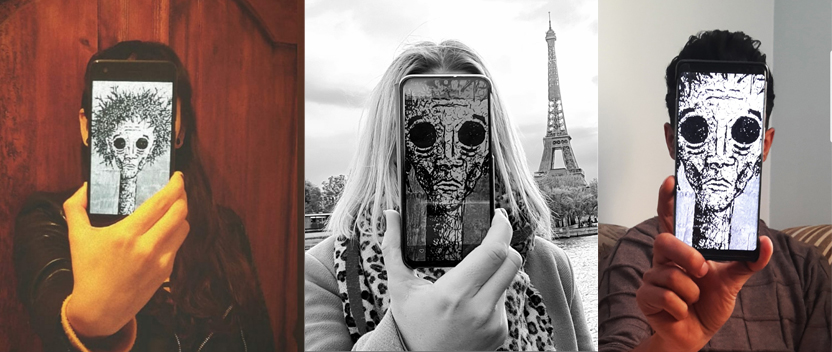
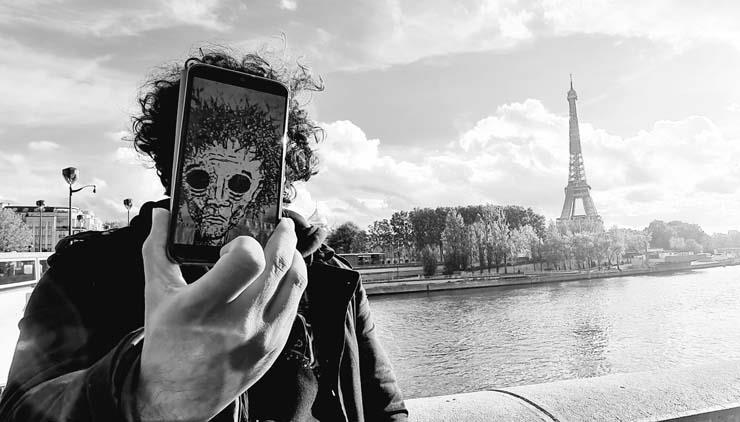
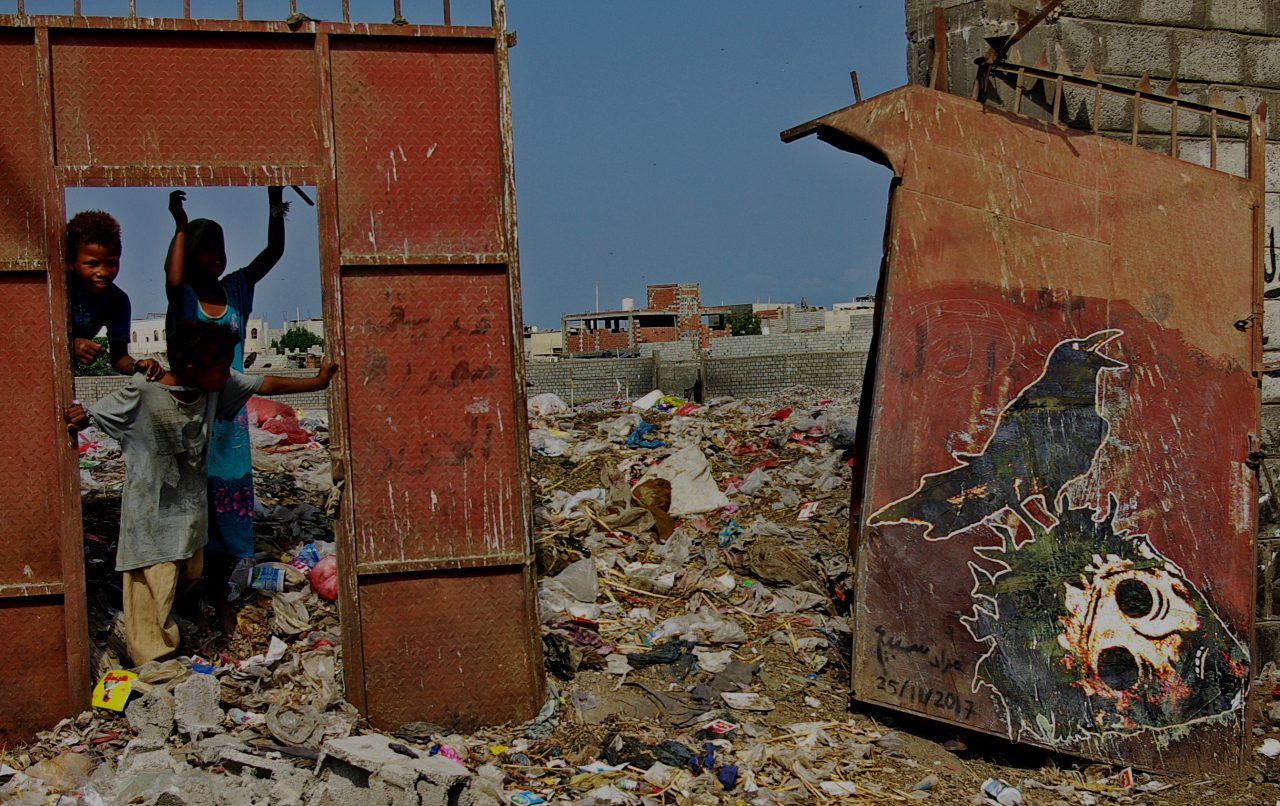
في السابع من أكتوبر الجاري، التقط مُراد سبيع صورة له، “سيلفي” لكن ليس لهيئته في هذه اللحظة، إنما لوجه بعيد عن الكاميرات، وجه يتألم جراء الحرب ولا يراه أحد، رسم سُبيع ملامحه على جدران اليمن عام 2017 لعله يُذكر بحال أهله، وحينما وجد أن النسيان يرفض مغادرتهم، قرر ابن مدينة صنعاء إعادة المحاولة، فأطلق حملة إلكترونية ليصبح “وجه الحرب” وسمًا متداولاً على الهواتف ضمن الصور الملتُقطة يوميًا.
منذ انقلبت الأحوال في اليمن عام 2012، ويسعى سبيع لنقل ما يحدث في بلده، لا يملك الشاب سوى فرشاة وألوان وموهبة في الرسم. مع العام 2017 ملأ سبيع الجُدران صراخًا بالرسومات، لم يبتغ إلا لفت الانتباه لما يجري في اليمن، حمل معه سعيه أينما ولى، لذا حينما غادر إلى فرنسا قبل عام ونصف، راح يرسم في الطرقات مُعبرًا عن الوطن وأهله “عملت حملتين أنتجت فيها 7 جداريات و60 لوحة” يقول سٌبيع لمصراوي، بينما يتحدث عن حملته الثالثة خارج اليمن “وجوه الحرب”.
“وجوه الحرب”.. حملة إلكترونية للتنديد باستمرار الحرب في اليمن
يمن شباب نت:
الإثنين, 12 أكتوبر, 2020 – 04:42 صباحاً
أطلق الفنان اليمني مراد سبيع حملة الكترونية تحت “#وجوه_الحرب” لحملة إلكترونية للفت انتباه المجتمع الدولي وشعوب العالم للحرب الدائرة في اليمن للعام السادس على التوالي.
وقال سبيع “منذ ست سنوات والحرب في اليمن تسحق وتدمر الشجر والحجر، وكل يوم يمر على اليمنيين، ترتكب الميليشيات المدعومة من إيران والتحالف بقيادة السعودية والإمارات جرائم ضد الإنسانية”.
وأضاف “لقد أطلقت الحملة الافتراضية “وجوه الحرب سيلفي” للتنديد بالحرب في اليمن وحول العالم، لذا أدعوكم جميعًا من جميع أنحاء العالم للمشاركة في هذه الحملة الافتراضية للتنديد والاحتجاج على الحروب”.
وجدارية “وجوه الحرب” رسمها الفنان مراد سبيع عام 2017 بيّن من خلالها كيف تستهلك الحرب الناس وتغير ملامحهم وحياتهم.
وخلال الحرب أصبح حوالي 80% من اليمنيين بحاجة لمساعدة إنسانية وحماية في أزمة وصفتها منظمات الإغاثة الدولية بأنها ” أسوأ كارثة إنسانية في العالم”.
LA NOSTRA SERIE DI INTERVISTE SULLA STREET ART PASSA LA PAROLA A LUCA SCARCELLA, AUTORE DI UN WEB DOCUMENTARY SULL’ARTE YEMENITA.
Luca Scarcella, classe 1989, è giornalista freelance ed esperto di social media, e collabora con il quotidiano La Stampa dal 2016. Prossimo al trasferimento a Los Angeles, ha pubblicato due web documentary che hanno registrato un ottimo riscontro in Italia e all’estero, venendo definito come “uno dei più influenti under 30 in campo editoriale, in grado di unire efficacemente nuove tecnologie, social media e giornalismo”.
Ti sei occupato di questo viaggio nella street art che parte dall’Italia e arriva in Medio Oriente in un web documentary chiamato Sui Muri della Libertà, con protagonisti Murad Subay e Andrea Villa, due artisti a confronto. Ci racconti questa esperienza? Perché hai scelto di occupartene? Che cosa ti ha portato? Cosa e dove ti sta portando ora? Era ormai un po’ di tempo che seguivo i fatti di cronaca provenienti dallo Yemen: ho studiato e letto parecchio, e mi sono soffermato sul sistema educativo del Paese, poiché ritengo che l’educazione sia una delle colonne portanti della civiltà, ovunque nel mondo, e sono appassionato di pedagogia. Ho creato quindi un web documentary incentrato sul tema e per analizzarlo ho messo a confronto il sistema yemenita con quello italiano, attraverso due interviste a due street artist: Murad Subay di Sana’a e Andrea Villa di Torino.
Oggi sono due giovani adulti che, nonostante le enormi differenze di percorso educativo ed esperienziale, esprimono le loro idee allo stesso modo, attraverso la street art, come reazione intellettuale e creativa alle difficoltà sociali, anche queste dissimili, dei due Paesi. Il web doc ha avuto un’ottima risposta da parte dei lettori, in particolare in Yemen. In futuro l’intenzione è di approfondire la mia conoscenza del mondo arabo, andando fisicamente in Medio Oriente, per offrire notizie e storie riprese da una prospettiva nuova, attraverso le mie “lenti”.
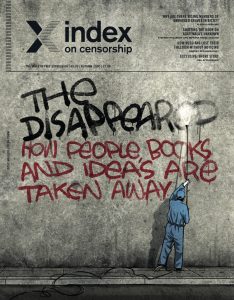
The brave stand up when others are afraid to do so. Let’s remember how hard that is to do, says Rachael Jolley in the autumn 2020 issue of Index on Censorship magazine.
Ruth Bader Ginsburg is a dissenting voice. Throughout her career she has not been afraid to push back against the power of the crowd when very few were ready for her to do so.
The US Supreme Court justice may be a popular icon right now, but when she set her course to be a lawyer she was in a definite minority.
For many years she was the only woman on the court bench, and she was prepared to be a solitary voice when she felt it was vital to do so, and others strongly disagreed.
Světová média mu přezdívají jemenský Banksy. Murab Subay se stal díky svým protestním malbám jednou z vůdčích postav nové jemenské scény.
„Mojí hlavní inspirací byla revoluce. Když v roce 2012 vypukl v Saná konflikt, začal jsem malovat na zdi a zval jsem lidi, aby se ke mě přidali.“ Umělec Murab Subay rád pracuje ve válečných zónách, protože jen tam mu dává jeho práce smysl: „Umění je pro mě forma vzdoru. Příběhy obyčejných lidí jsou neviditelné, stávají se jen čísly, přitom za každou obětí války je příběh.“
Pobyt ve Francii prodloužil na neurčito. Byť jeho srdce bije pro Jemen, nevidí v zemi momentálně žádnou budoucnost. Bude ještě dlouho trvat, než se země stabilizuje. Do té doby se bude Murab ve Francii dále zabývat příběhy lidí ze své země.
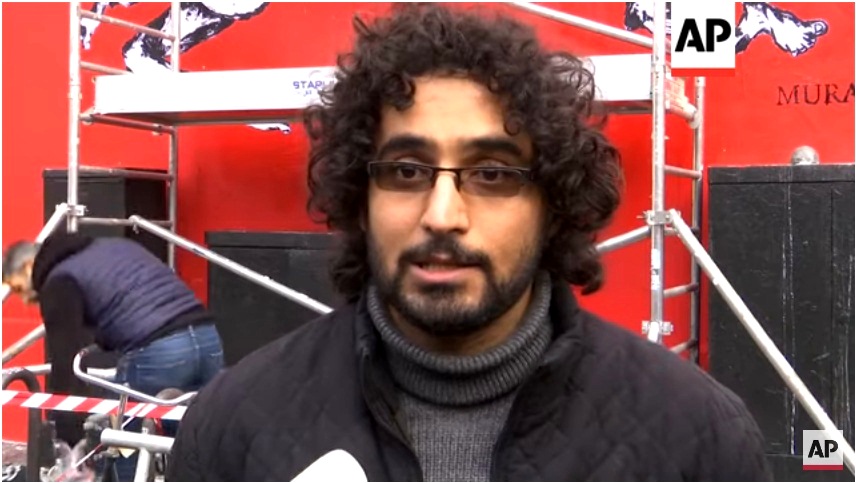
(22 Nov 2019) LEAD IN: As the war in Yemen continues, a new mural in the center of Paris sends a message about the country’s tragedy. STORY-LINE: Yemeni artist Murad Subay is doing the finishing touches on his artwork. This is not just a mural in the center of Paris, it is a political statement. “This space that you see now is called ‘The last dance of the dead,'” he says. “It’s inspired from real stories of people died in the war. I tried to convey how the war affects the people in a country like Yemen,” he explains. The painting is part of the artist’s ongoing campaign against the war in his home country. “It’s been forgotten for many years and the war destroyed what the people tried to build during the last seven decades,” he continues. Yemen’s bloody war, which has been fought to a stalemate, has led to one of the world’s worst humanitarian crisis. Civilians have suffered the most in the conflict, which has killed over 100,000 people, destroyed Yemen’s infrastructure, displaced millions, and pushed the country’s 30 million people to the brink of famine. The piece is also a statement about the role of the French weapons industry. “They can play a better role in Yemen and instead of selling weapons only so for me I believe, yes I know that the relations between states are not based on emotions, only benefits (profits) but I hope, that at least, because there is people who die,” he adds. Murad’s website says that his art work is an artisitc collaboration with the following eight French organizations: Amnesty, Oxfam, SumOfUs, Action Contre La Faim, Care, Act, Medicine du Monde, and Crisis in Action. “We have regular meetings with the Presidency, the Ministry for Foreign Affairs, the Ministry for the Armed Forces to keep defending our cause and systematically, the answer that we get is that France has received guarantees from the countries that bought the weapons that these weapons are not being used against Yemeni civilians and that these weapons are not being used for offensive but only defensive operations,” explains Fanny Petitbon, the advocacy manager for Care. “But these arguments don’t hold against the succession of revelations that there is a very high risk of seeing these weapons being used against civilians and that maintenance contracts still exist and are upheld by France’s arms industry. So we’re asking where these guarantees are,” she continues. Near the mural is a poster where passers-by can sign their name in opposition to the sale of French weapons to Yemen. The mural will be shown for at least a full week.












 Murad Subay