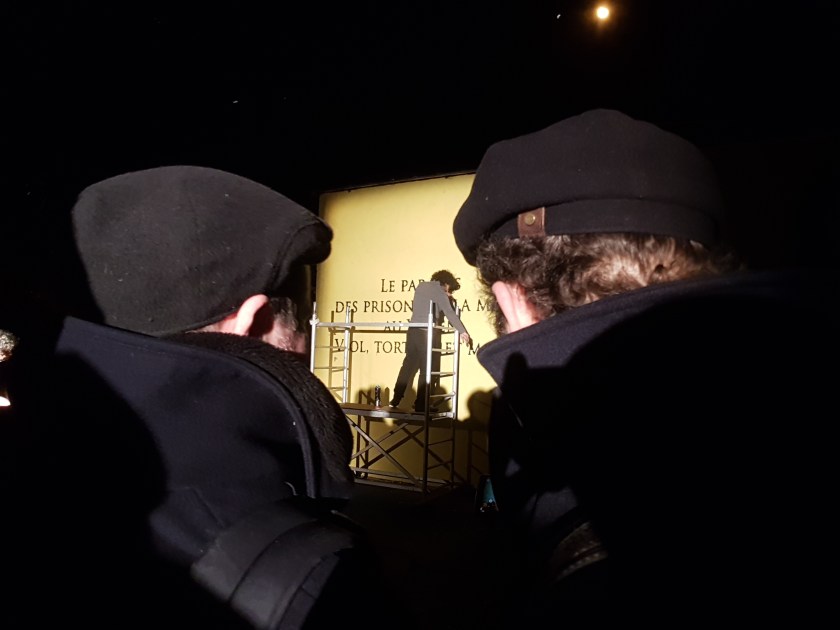
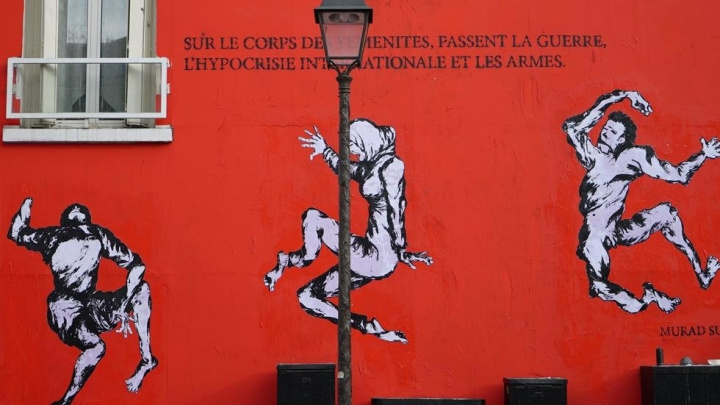
Le street artist yéménite Murad Subay, souvent appelé le « Banksy yéménite », était à Paris pour dévoiler le 19 novembre sa nouvelle fresque, dans la lignée de ses précédentes œuvres qui ornent les murs du Yémen. Il y dénonce le conflit qui meurtrit son pays, victime de la barbarie de l’Arabie saoudite et des Émirats arabes unis.
Membre du programme Artist Protection Fund, l’artiste s’engage aux côtés de sept ONG humanitaires et de défense des droits humains : les pétitions lancées par les ONG Oxfam France, Amnesty International France et SumOfUs ont réuni plus de 250.000 signatures demandant au président Emmanuel Macron de cesser d’alimenter le conflit yéménite en exportant des armes françaises à destination de cette zone d’opération.
L’arme de Murad Subay, c’est l’art. Un art qui prend aux tripes, qui dénonce, qui revendique, mais sans jamais négliger d’être art, d’être esthétique. La fresque sur fond rouge sang montre des corps désarticulés se mouvoir dans une dance macabre. Comme un cri de plus de 233.000 morts qui ne veulent pas être rejoints par d’autres victimes. « Sur le corps des Yéménites passent la guerre, l’hypocrisie internationale et les armes », peut-on lire sur la fresque, intitulée Dernière danse avec les morts
A voir jusqu’au 26 novembre dans le Marais (au carrefour des rues Vieille du Temple et Quatre Fils.) pour réfléchir et prévenir de nouvelles guerres du Yemen.

Publié le : Modifié le :

Le street artist yéménite Murad Subay a dévoilé à Paris une fresque dénonçant le conflit au Yémen et les ventes d’armes françaises à l’Arabie saoudite. Une œuvre coup de poing, dans la continuité des séries engagées dont il recouvre les murs de son pays depuis 2011.


Ahead of opening the major exhibition Yemen: Inside a Crisis at IWM North on 17 May 2019, Imperial War Museums (IWM) announces its commission of a new artwork by Yemeni street artist Murad Subay. Created especially for IWM, the artist’s latest work, Devoured (2019), will form part of the UK’s first exhibition to address Yemen’s current conflict and humanitarian crisis.
In this commission, Murad Subay responds to the on-going humanitarian crisis in his country, which the UN has described as the “world’s worst”. With the conflict leaving an estimated 80% of the country’s men, women and children in desperate need of assistance, Subay’s artwork explores the realities of living in a war zone.
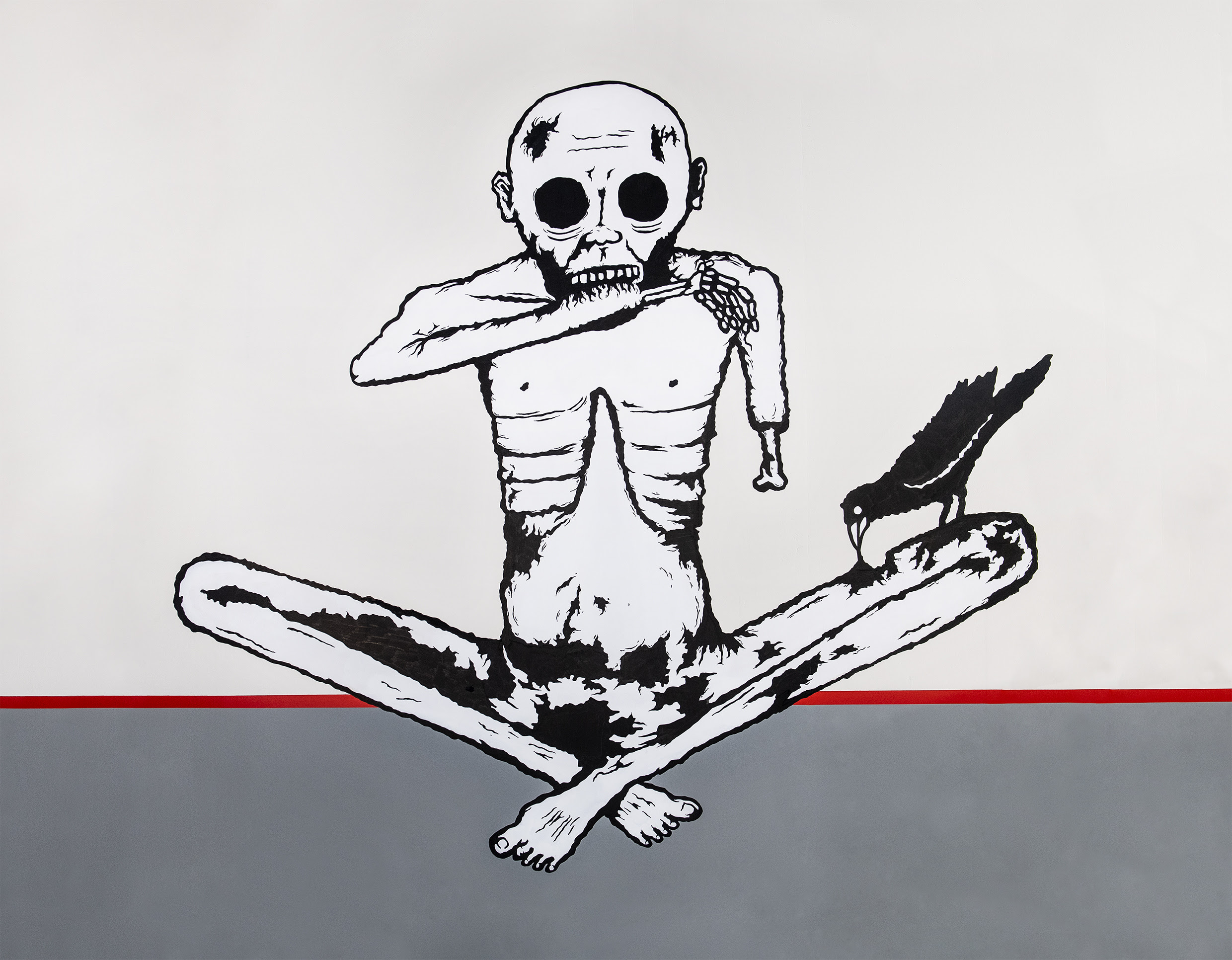
Examining the inaccessibility of food, water and healthcare, Devoured metaphorically represents the harsh physical and psychological realities faced daily by the Yemeni people, as well as the regional and international experience of the conflict situation. Created using stencils, the artwork depicts a skeletal man, sat cross- legged, devouring what remains of himself. A crow bird perches on the knee of the figure, also devouring the body. The colours used are grey and muted, emphasising a horizontal red line that runs behind the seated figure.
Commenting on Devoured, artist Murad Subay said: “Ordinary people are struggling for survival and are crushed down to the ground. People suffer from hunger and famine, illness and epidemics due to lack of food, water and medicine. They lost everything they had because of war. There is only a red line – a dangerous limit that should never be crossed – which has been surpassed already, exemplifying the lack of hope and uncertain future.”
Louise Skidmore, Head of Contemporary Conflict at IWM and curator of Yemen: Inside a Crisis said: “Responding to themes explored as part of Yemen: Inside a Crisis, Murad Subay’s Devoured is raw and honest. His is a powerful representation of the human suffering in Yemen and it visually reflects how weary the country’s people are after years of living through the on-going crisis. IWM is extremely proud to have commissioned this important work, which provides a unique perspective on the artist’s experience of conflict.”
Yemen: Inside a Crisis is part of IWM’s Conflict Now strand of programming, which features opinions of individuals who have witnessed, experienced and worked in areas of conflict. In addition to Murad Subay’s new commission, the exhibition at IWM North will feature around 50 objects and photographs, many of which have been exclusively sourced from Yemen for this exhibition.
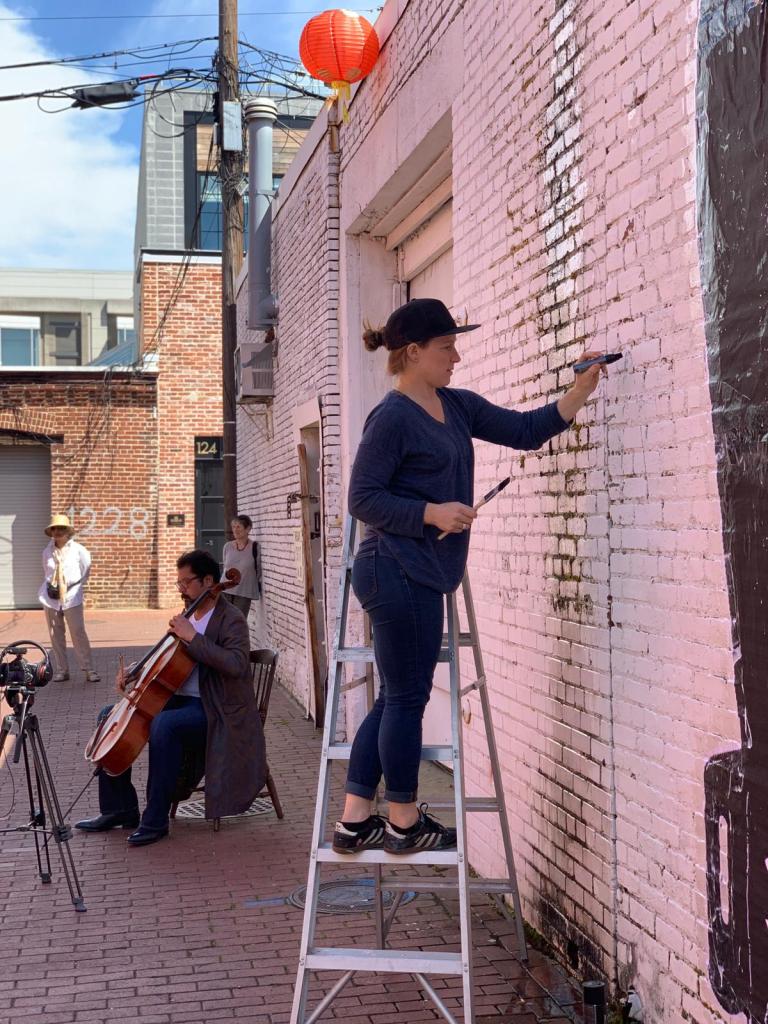
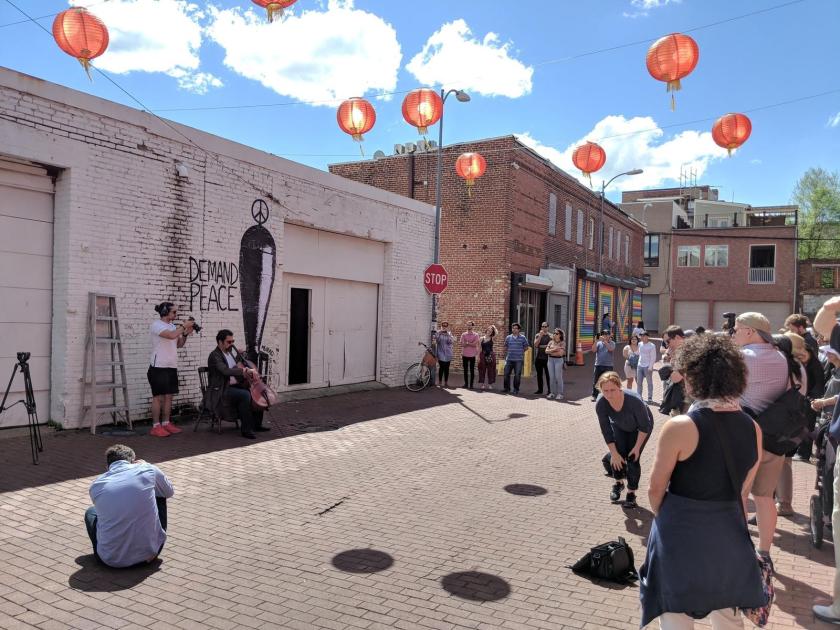
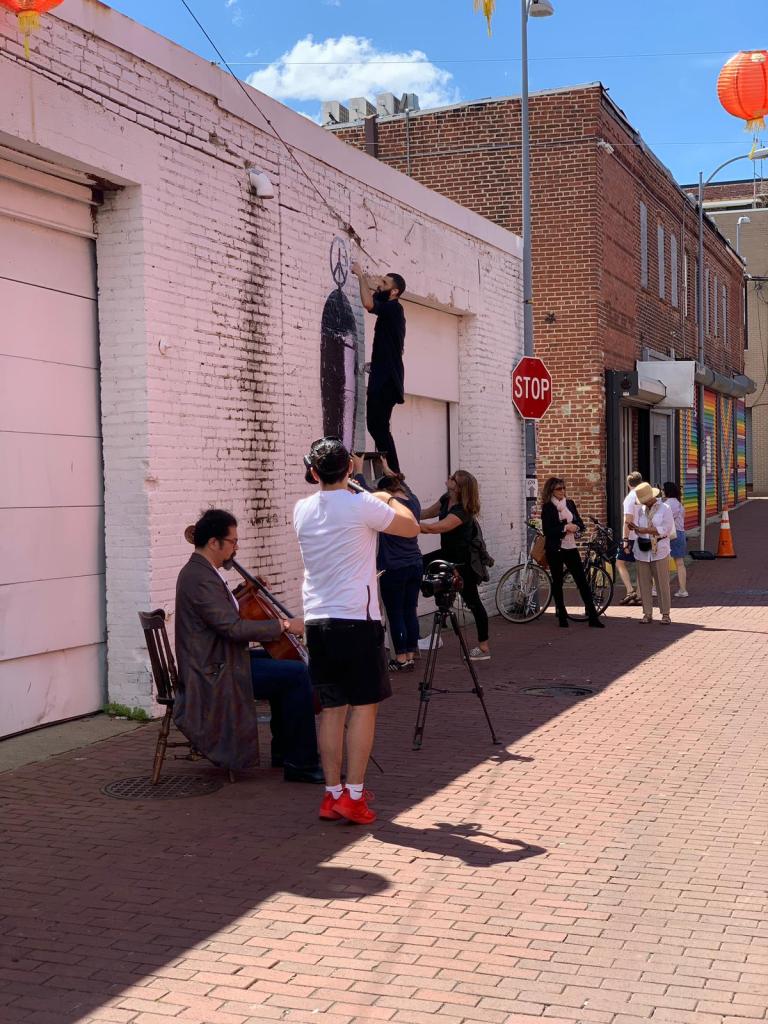
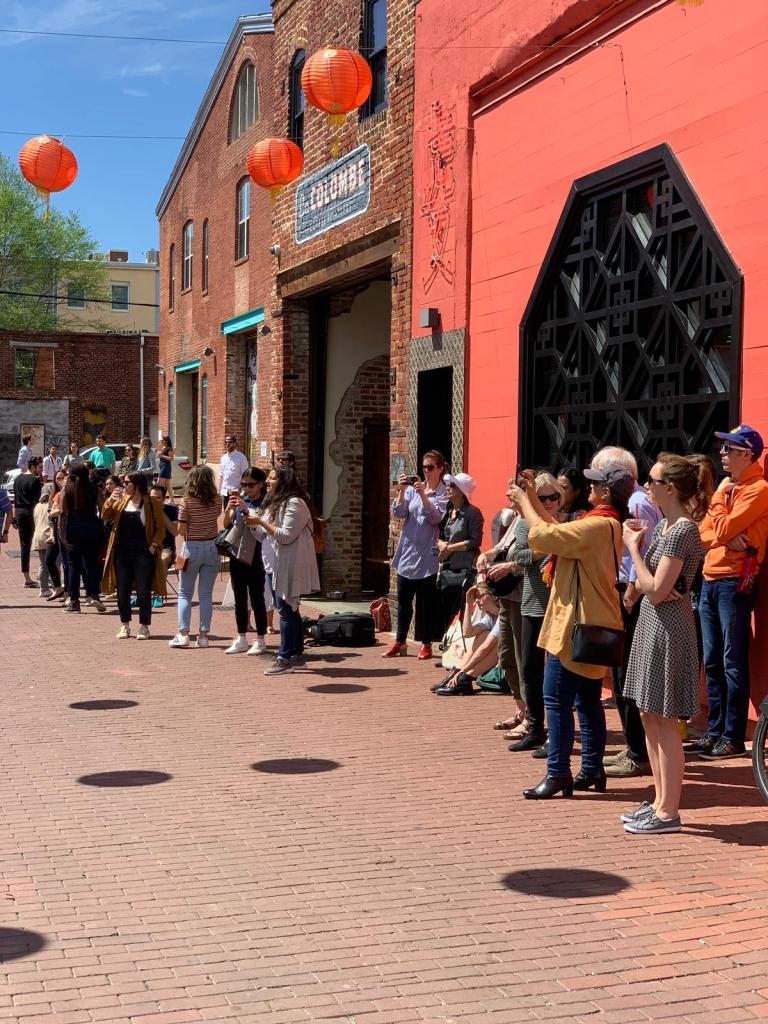
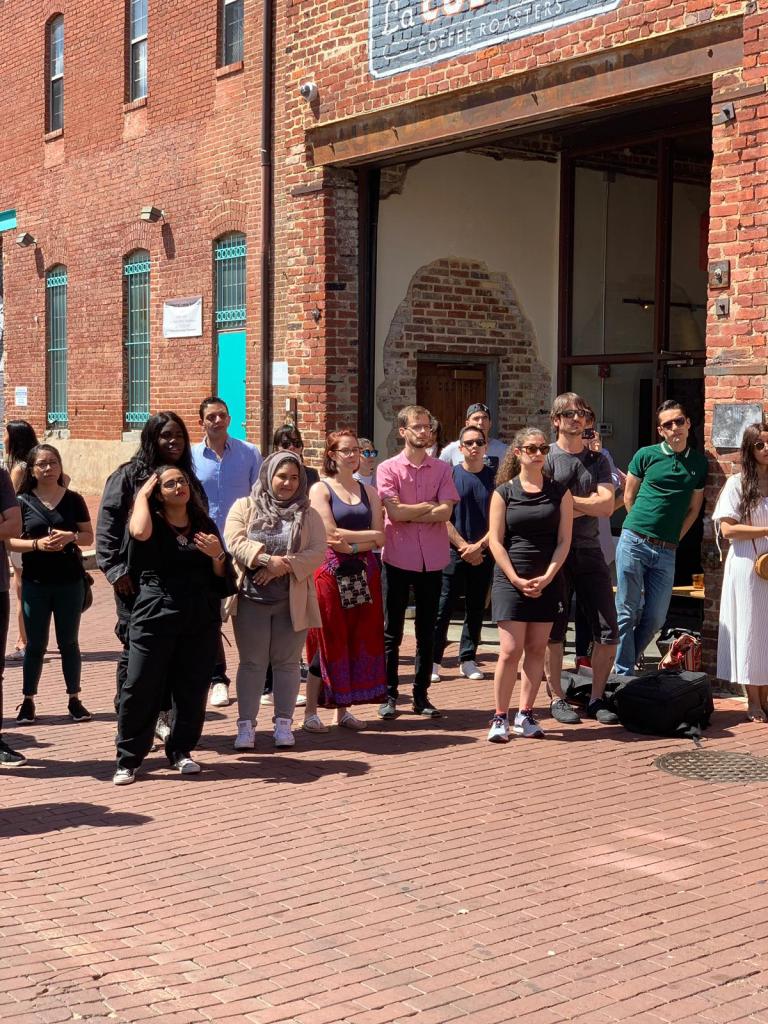
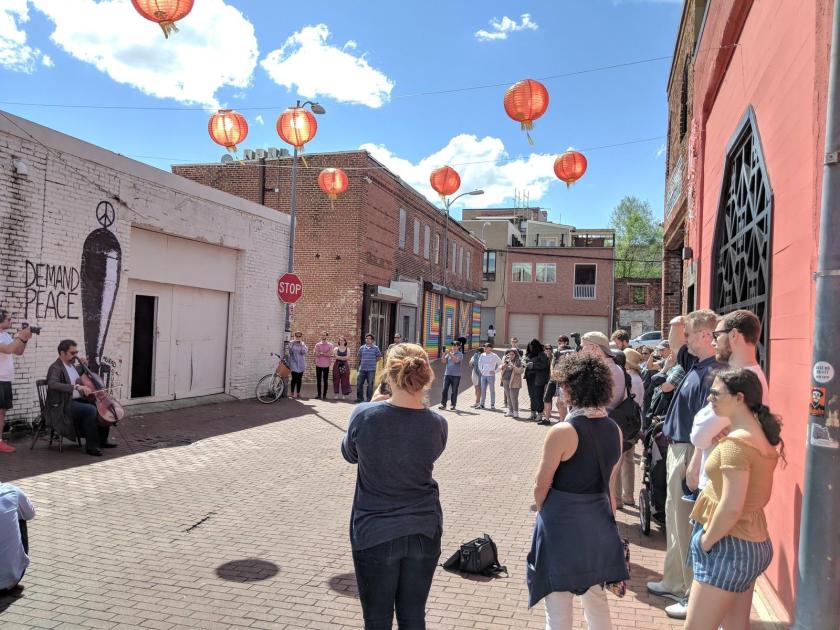
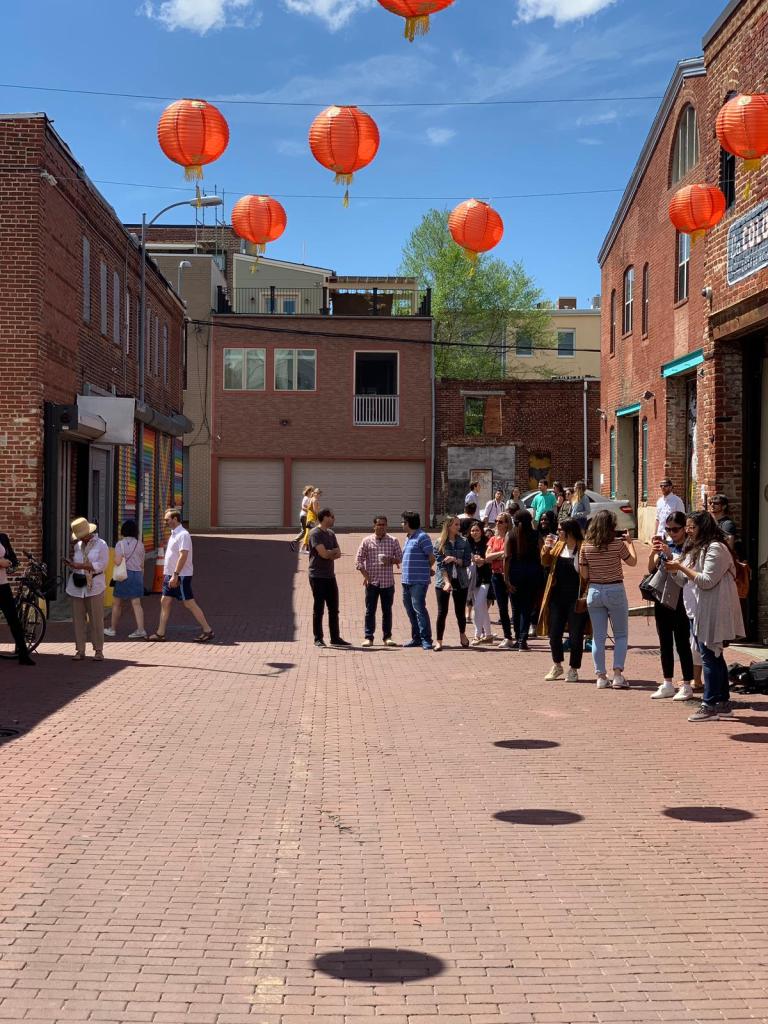
صور من الفعالية الفنية والموسيقية الذي أقامها المعهد اليمني للثقافة والتراث والفن، في العاصمة الأمريكية واشنطن, 20 إبريل 2019. إقيمت الفعالية جدارية “ماركة حرب” وعرض موسيقي من الموسيقار العراقي “كريم وصفي” والفنانة الأمريكية “مارسيلا كريبل”.
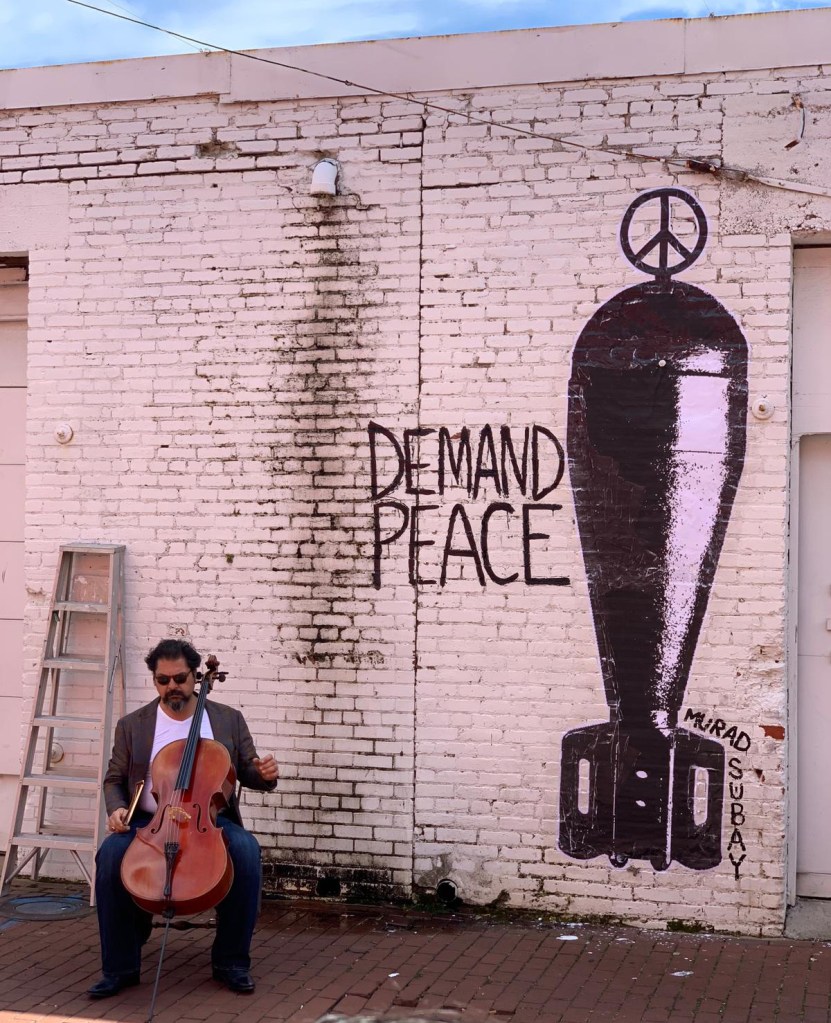
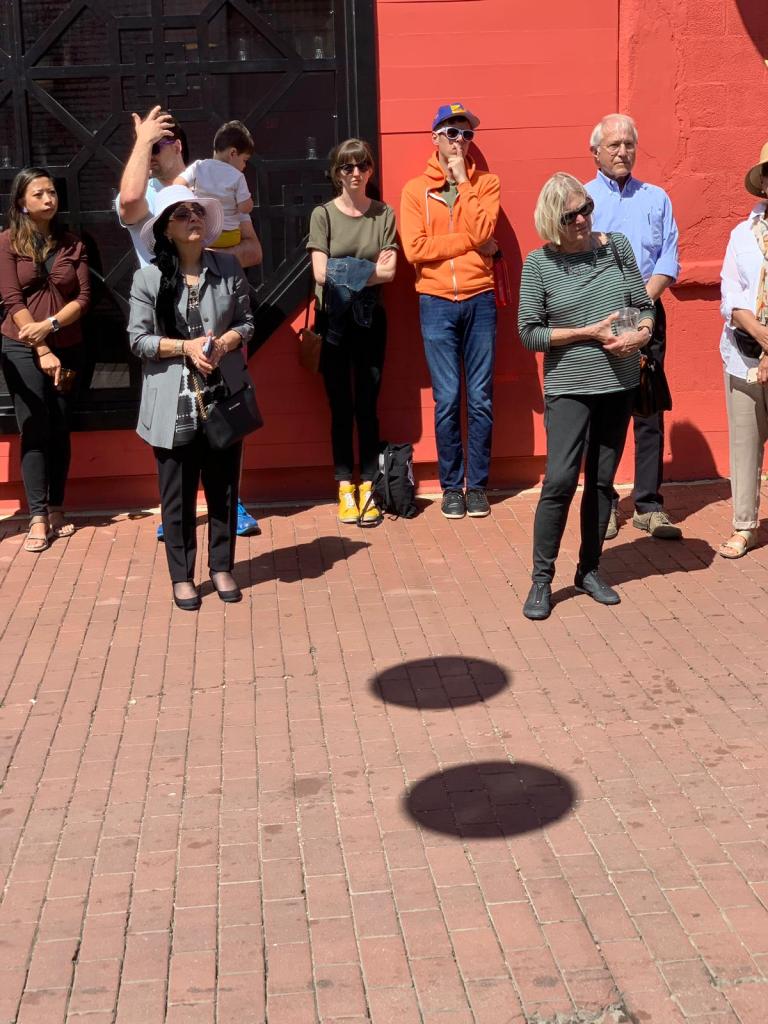
Photos from the artistic and musical event, that organized by the Yemeni Institute for Culture, Heritage and Art, Washington, DC, April 20, 2019. The event held by installing my mural “War Brand” and a musical performance by Iraqi musician “Karim Wasfi” and American artist “Marcella Kriebel.”


Dears in Washington,
The Yemeni Institute for Culture and Heritage invites you to the street art and musical event that will be held today, Saturday 20 April 2019, with the installing of my mural “War Brand” and musical performance by the Iraqi musician “Karim Wasfi” and the American artist “Marcella Kriebel”.


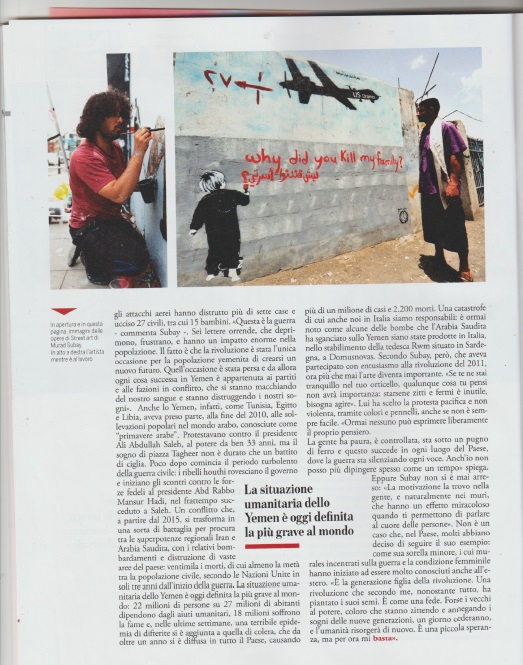
Murad Subay isn’t your average street artist. For the last seven years, he’s been changing the facade of war torn buildings in the heart of Yemen.
Today, regular air strikes attack markets, funerals and school buses, lack of access to clean drinking water has caused the world’s biggest outbreak of cholera and blocked access to vital food supplies have caused nationwide famine. Despite this, Murad Subay creates his artwork with a smile on his face and resillience in his demeanor.
In this week’s video, I’m in conversation with Murad discussing how art empowers communities, what it’s like making street art surrounded by armed militias and the what like is like in the heart of a revolution.
– Doug

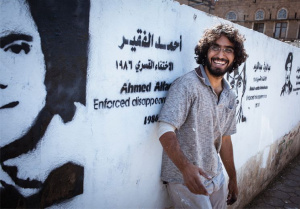
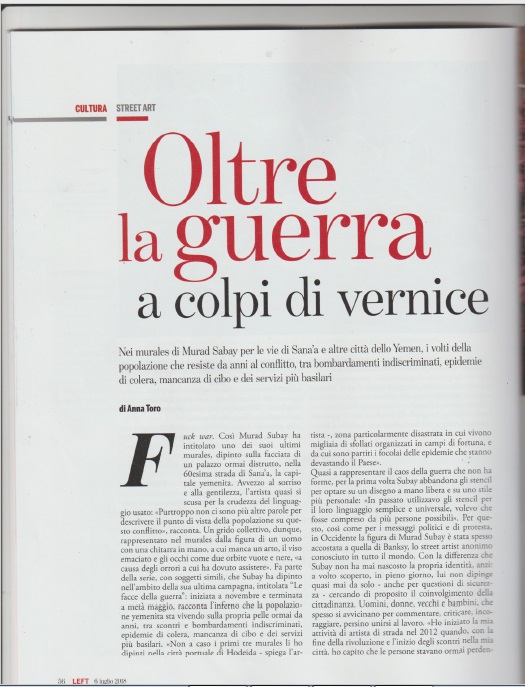
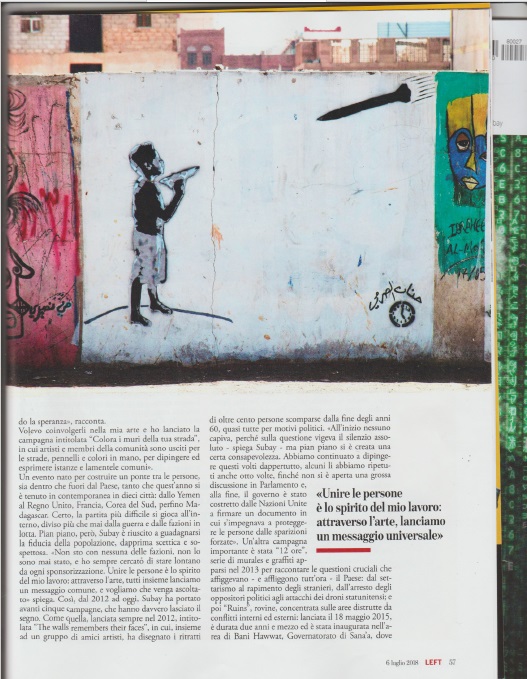
Les “visages de la guerre”, le projet qui dit “merde” à la guerre au Yémen
Crimes de guerre, disparitions forcées, épidémies : le Yémen vit depuis 5 ans dans le chaos. Un artiste-peintre de la capitale, Murad Subay, dénonce l’horreur du conflit en décorant les murs du pays avec des graffitis. Son projet s’appelle « les visages de la guerre ».